What Are the Best Foods for Memory and Brain Health?
Clinically reviewed by Timothy Shephard, MD, Executive Director, Neuroscience Program.
As we age, incidents of forgetfulness can feel unsettling. The good news is that what we eat can protect our minds. Balanced meals, physical activity and brain “workouts” can help sharpen focus and support long-term cognitive health. Learn about key nutrients for optimizing brain function.
How Do Omega-3 Fatty Acids Help Brain Health?
Omega-3 fatty acids help build cellular membranes in the brain, support memory function, lower cellular inflammation and reduce the risk of cognitive decline.
Foods rich in omega-3 fatty acids include:
- Salmon
- Flax seeds
- Chia seeds
- Kiwi
- Butternut squash
- Walnuts
Can Curcumin and Turmeric Protect the Brain?
Curcumin is the active compound found in turmeric, the warm yellow spice common in curry dishes. Its potent antioxidant and anti-inflammatory properties help protect brain cells from damage and clear the sticky protein fragments called amyloid plaques associated with Alzheimer's disease.
What Are the Brain Benefits of Flavonoids?
Flavonoids are plant compounds that boost blood circulation to the brain, stimulate nerve cell growth and enhance everyday working memory.
Flavonoid-rich foods include:
- Cocoa
- Green tea
- Ginkgo berries
- Citrus fruits
- Red wine
- Dark chocolate
Why Is Vitamin D Essential for Mental Clarity?
Vitamin D helps regulate immune responses in nerve tissue and may help maintain mental processing speed in older adults.
You can find vitamin D in these foods:
- Mushrooms
- Milk
- Salmon
- Mackerel
- Soy milk
- Cereal grains
How Does Vitamin E Protect Brain Cells?
Vitamin E acts as a shield against oxidative stress, helping keep brain cells healthy and slowing memory decline over time.
These foods contain a healthy dose of vitamin E:
- Asparagus
- Avocado
- Nuts
- Peanuts
- Olives
- Spinach
What Role Does Choline Play in Memory?
Choline helps your body produce acetylcholine, a crucial neurotransmitter that regulates memory, mood and muscle control.
Choline can be found in:
- Egg yolks
- Beef
- Soy
- Chicken
- Veal
- Turkey liver
- Lettuce
Why Does Your Brain Need Selenium?
Selenium works as a protective antioxidant. Getting enough over the course of your lifetime preserves reaction time, processing speed and cognitive function.
Key sources of dietary selenium include:
- Nuts
- Cereals
- Meat
- Fish
- Eggs
How Does Dietary Copper Affect the Brain?
Maintaining healthy copper levels helps preserve nerve cell energy production. Too little or too much copper is associated with cognitive challenges in older adults.
Foods containing dietary copper include:
- Oysters
- Brazil nuts
- Cocoa
- Black pepper
How Does Iron Support Mental Focus?
Iron carries vital oxygen to brain cells, helping sustain concentration, prevent brain fog and keep daily energy steady.
You can find iron in these foods:
- Red meat
- Fish
- Poultry
- Lentils
- Beans
Why Do Doctors Recommend the Mediterranean and MIND Diets?
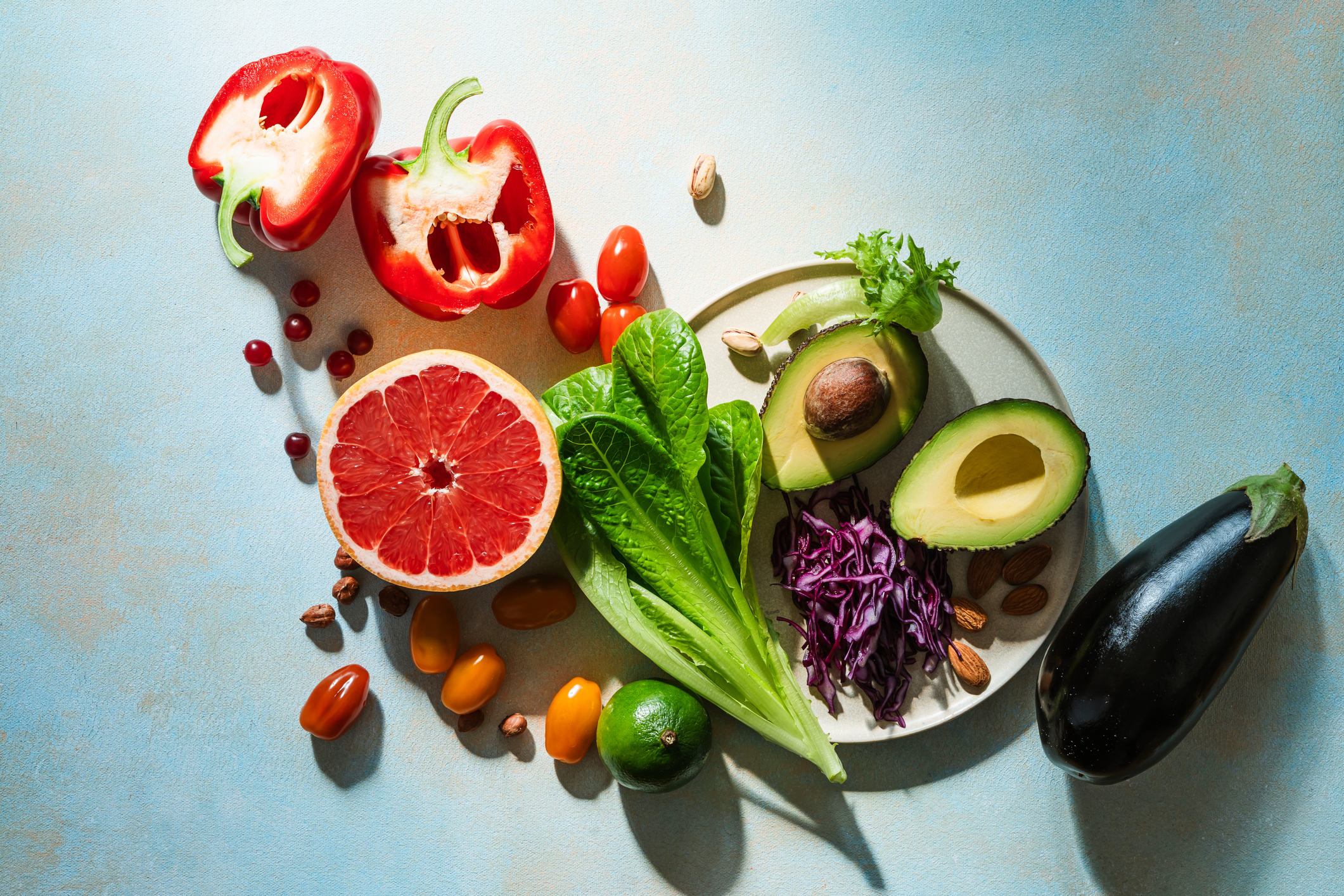
The Mediterranean diet and the related MIND diet prioritize leafy greens, berries, nuts and olive oil while limiting saturated fats. These eating plans ensure you get a wide range of nutrients essential to brain health, which can lower your dementia risk and keep your mind sharp.
Talk With Baptist Health About Brain Health
Nutrition is a powerful, proactive tool for brain health, but significant changes in focus or memory are issues you should discuss with your Baptist Health primary care physician. They can answer your questions and may refer you to a nutritionist or dietitian.
You can use our provider directory to find care near you.