
Brain Workout RX
Clinically reviewed by Timothy Shephard, MD, Executive Director, Neuroscience Program.
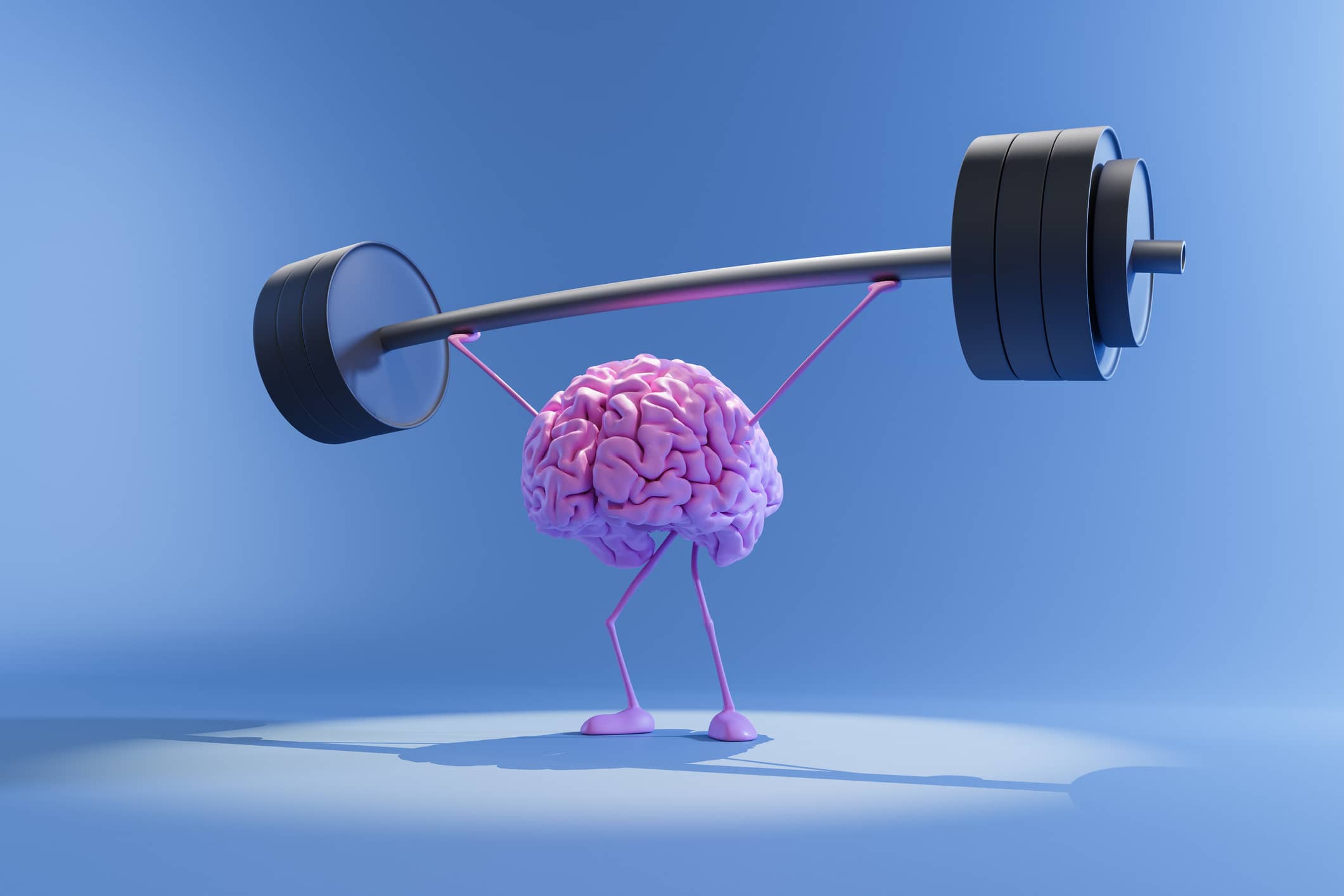
Technically, your brain isn't a muscle, but it doesn't hurt to think of it as one. Just as you might lift weights to make your biceps stronger, you should give your brain regular workouts to strengthen and protect it as you age.
Learning new, mentally demanding skills builds fresh synapses. It also strengthens existing nerve pathways between brain cells. Those changes create what neurologists call cognitive reserve, which helps protect against cognitive decline and the everyday forgetfulness that tends to develop as we get older.
What Is Cognitive Reserve?
Every time you challenge your thought patterns, you promote neuroplasticity in your brain, which is the ability to rewire circuits and adapt to new experiences. Building cognitive reserve acts like an insurance policy for your mind.
People who consistently try new things benefit from extra cellular connections forming in their brains. When natural aging or microscopic vascular damage affects one neural pathway, a brain with reserves just uses an alternate route. As a result, this approach can delay the onset of memory lapses and help maintain sharp problem-solving abilities.
4 Proven Brain Workouts To Build Mental Muscle
Multi-sensory challenges provide the most neurological benefits. Consider scheduling time each week for activities like these:
Learn To Play a Musical Instrument.
Playing an instrument requires reading comprehension, fine motor control and attentive listening to the notes produced, which activates multiple brain areas at once.
Study a Foreign Language.
Mastering basic vocabulary and grammar rules strengthens executive function (the brain’s ability to manage its different areas), verbal memory and task-switching skills.
Play Strategy-Heavy Games.
Playing chess, bridge or other games that require strategic thinking trains working memory and forward-planning capacity.
Master a Physical Craft.
Activities like woodworking, pottery, knitting or watercolor painting link tactile feedback with spatial reasoning and deep focus.
Switch Up Your Daily Habits To Stay Sharp
In addition to learning new skills, you can support your brain health by modifying your daily routines periodically. If you typically tackle a daily crossword puzzle, swap it with a numbers game. Take a class or pick up a book in a genre you've never explored. By routinely changing activities, you stimulate and develop different regions of your brain.
Repetition creates efficiency, which is great for completing daily tasks quickly, but routine actually puts your mind on cruise control. Novelty is the secret to sustained mental agility.
Try incorporating these changes into your everyday routines:
- Brush your teeth or handle your morning coffee mug with your non-dominant hand to stimulate alternate motor pathways.
- Take an unfamiliar route home from work or errands to force your brain to practice spatial navigation without GPS assistance.
- Memorize your weekly grocery list using visualization techniques rather than reading directly from your phone screen.
- Learn lyrics to new songs or practice reciting short poems from memory.
How a Healthy Lifestyle Supports a Healthy Brain
Mental fitness and physical fitness go hand in hand. It’s beneficial to pair your cognitive workouts with daily movement, good nutrition and plenty of rest:
- Get 30 minutes of brisk aerobic exercise most days to release protective brain proteins that encourage cell growth.
- Maintain a diet that supports brain health with foods like leafy greens, berries, nuts, olive oil and lean proteins.
- Strive for seven to eight hours of restful sleep nightly to help your body clear metabolic waste from brain tissue.
- Limit alcohol intake
Staying mentally sharp is an ongoing, lifelong journey. If you give your mind regular hurdles to overcome, step away from comfortable routines and treat your mental workouts with the same commitment you give to your physical workouts, you can build lasting cognitive reserve and protect your memory for years to come.


