How Do Doctors Test for Diabetes? Essential Screening Options and Diagnosis Criteria
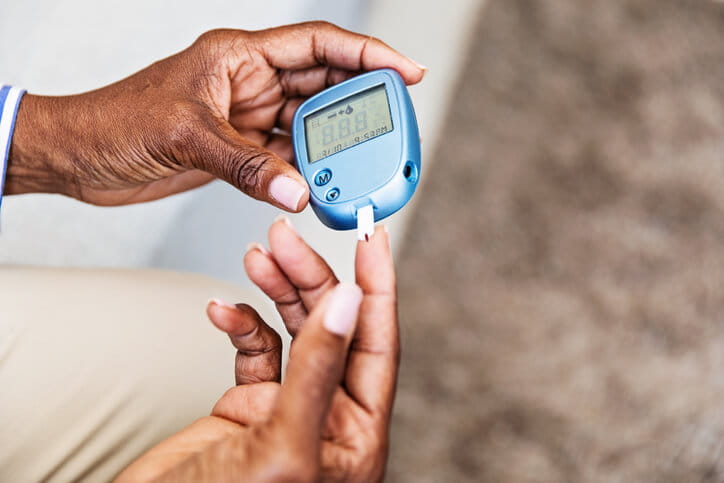
Spotting diabetes early gives you the best chance to protect your long-term health and avoid complications. A routine blood panel can identify elevated glucose before you ever notice physical changes. Taking a few minutes to learn about screening options helps you work with your physician to pick the right path forward.
What Are the Early Symptoms and Signs of Diabetes?
Diabetes affects how your body produces or uses insulin to manage glucose. In the early stages, warning signs can be subtle or develop so gradually that you might overlook them. You should talk with your physician if you notice any of these issues:
- You experience extreme thirst regularly.
- You continually feel tired or fatigued.
- You are very hungry, even after eating.
- Your vision is blurry.
- You urinate more often than usual.
- You have sores or cuts that won’t heal.
The American Diabetes Association recommends routine screening for any adult with a body mass index (BMI) greater than 25 (or greater than 23 for Asian American adults) who has one or more of the following additional risk factors:
- You are a high-risk ethnicity (African American, Latino, Pacific Islander or Asian American, among others).
- You have high blood pressure, high triglycerides, low HDL cholesterol or heart disease.
- You have a family history of diabetes.
- You have a personal history of abnormal blood sugar levels or signs of insulin resistance.
- You don’t get regular physical activity. You are a woman with a history of polycystic ovary syndrome or gestational diabetes.
Today’s recommendation is that all adults begin regular blood sugar testing at age 35, rather than waiting until age 45, which was the previous guidance. Baseline screening at this age helps doctors detect prediabetes early, empowering you to make lifestyle changes before health problems develop.
How Are Type 1 and Type 2 Diabetes Diagnosed?
Although they’re different conditions, the testing process is similar. A type 1 diabetes test and a type 2 diabetes test usually start with a glycated A1C test and other tests, which are described below.
A1C Test (Glycated Hemoglobin)
A1C, also known as the glycated hemoglobin test, is one of the most common tests used because its results estimate your blood sugar levels over time, and you don’t have to fast. Since your red blood cells have a lifespan of about three months, the A1C test measures your average blood sugar levels over a three-month period. The results are measured in percentages:
- Results of less than 5.7% are normal.
- Results between 5.7 and 6.4% indicate prediabetes.
- Results equal to or greater than 6.5% indicate diabetes.
Random Plasma Glucose Test
A random blood sugar test involves drawing blood at any time, no matter when you last ate. Results equal to or greater than 200 milligrams per deciliter (mg/dL) indicate diabetes.
Fasting Blood Sugar Test
A fasting blood sugar test measures your blood sugar levels after an overnight fast of eight to 12 hours. The ADA considers prediabetes to be a fasting glucose level of 100-125 mg/dL. Type 2 diabetes is generally defined as a fasting glucose level of 126 mg/dL or higher on two of these tests.
Oral Glucose Tolerance Test
The Oral Glucose Tolerance Test (OGTT) takes place over two hours. Your blood sugar is tested initially, and then you’re given a sugary drink. After two hours, your blood sugar levels are tested again: Results of less than 140 mg/dL are normal. Results between 140 and 199 mg/dL indicate prediabetes. Results equal to or greater than 200 mg/dL indicate diabetes.
Urine Ketone and Glucose Testing
Urine tests can’t diagnose diabetes on their own, but physicians use them to evaluate acute metabolic stress or check for diabetes-related complications. When your cells can’t absorb glucose for fuel, your liver breaks down fats instead, producing acids called ketones. Moderate or high ketone levels in urine can signal diabetic ketoacidosis, a life-threatening medical emergency common in uncontrolled type 1 diabetes that requires immediate medical care.
How Do Physicians Test for Gestational Diabetes?
Gestational diabetes can occur when you are pregnant and in the second or third trimester. The ADA recommends that women with risk factors be tested at their first visit to see if they already have diabetes. Testing for gestational diabetes is similar to testing for type 1 and type 2 diabetes. Doctors may use two types of tests to determine if you have gestational diabetes. The first is an initial glucose challenge test that involves drinking a glucose syrup solution.
After an hour, blood is drawn to measure your glucose levels. A result of 130 to 140 mg/dL or less is normal. If your reading is higher, your doctor will recommend additional testing. The follow-up glucose tolerance testing involves not eating anything overnight. Your initial blood sugar levels are measured, then you drink a high-sugar solution.
Your blood is then tested hourly for three hours. If you have two or more higher-than-usual readings, the results indicate gestational diabetes.
Learn More About Diabetes Testing From Baptist Health
If you have additional questions about Diabetes Care and testing or believe you should be tested, find a Baptist Health physician or care team near you today to schedule an appointment.