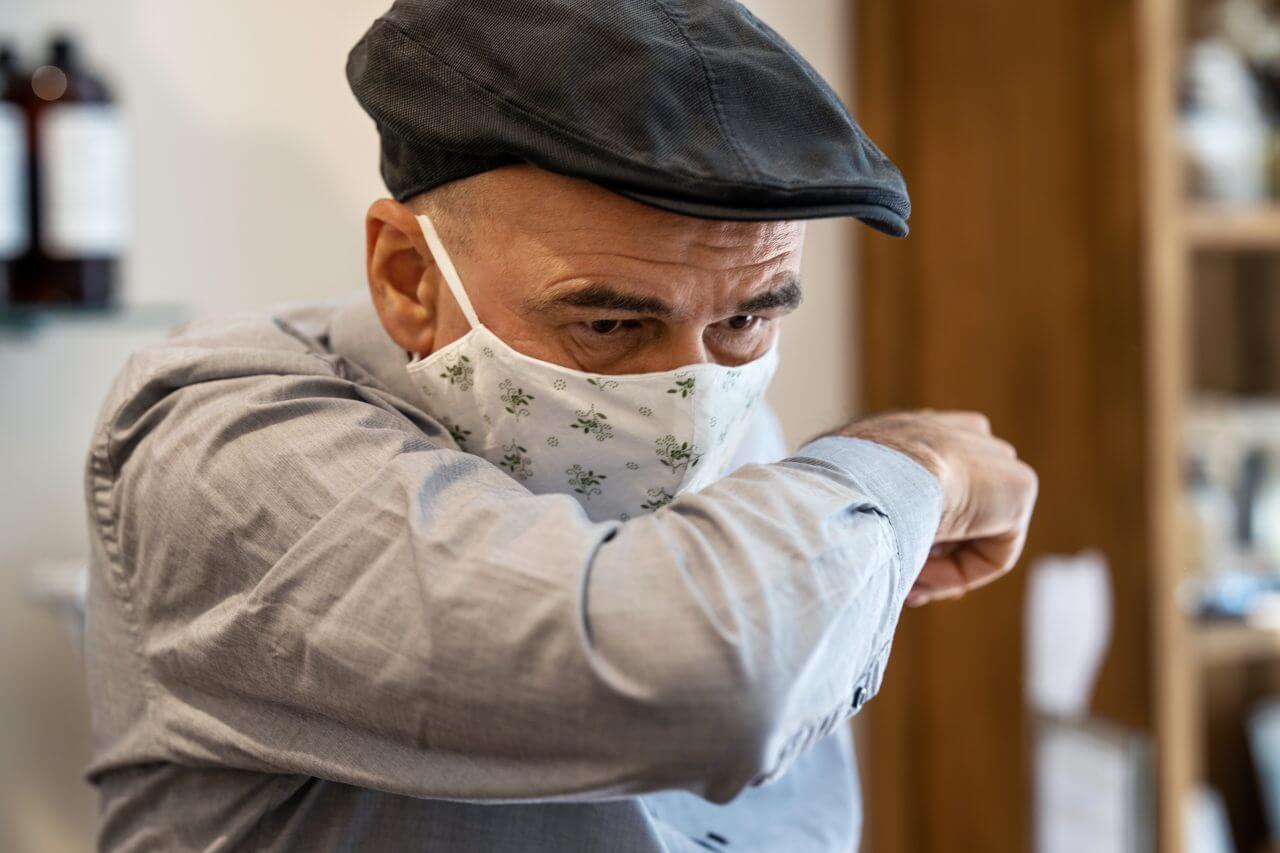
Why Does Cold Air Make Me Cough?
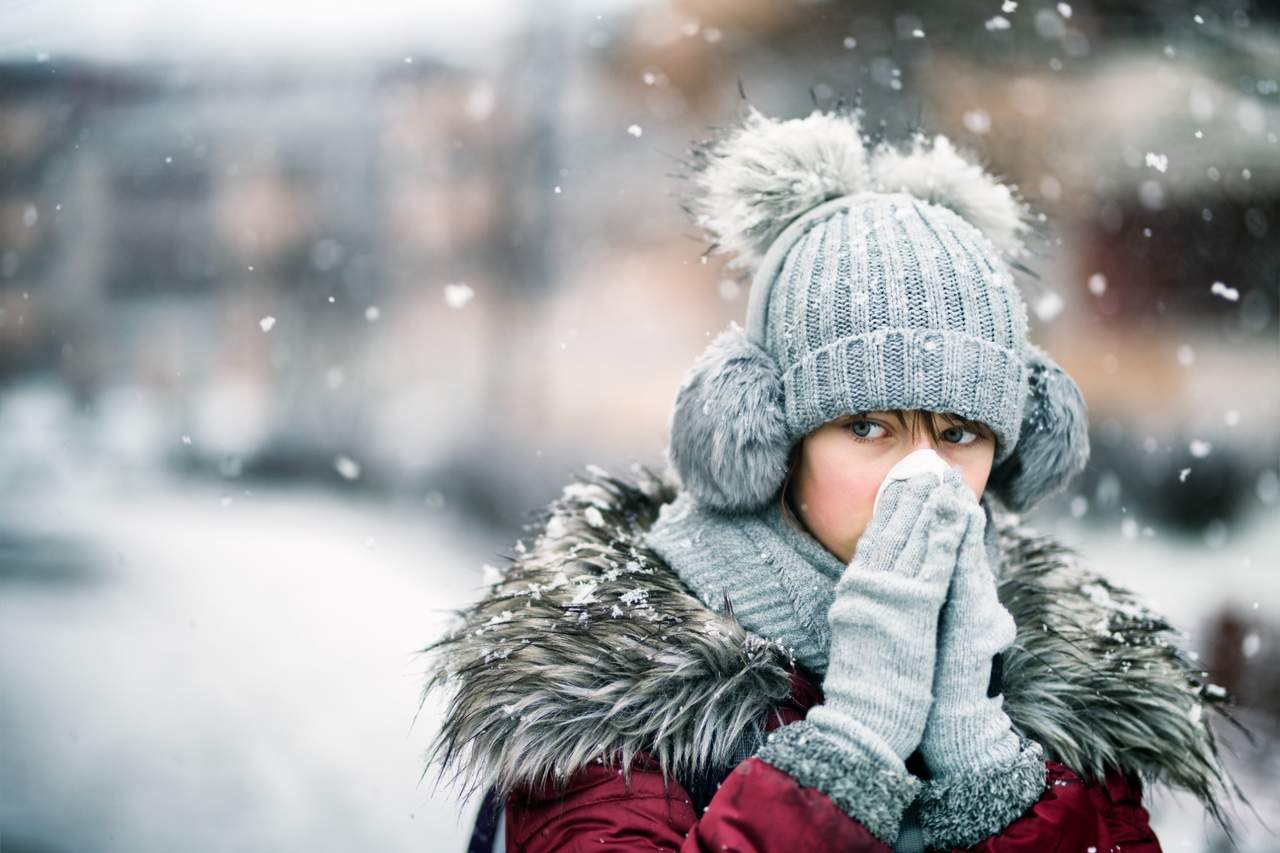
Have you ever stepped outside on a cold day and started coughing? There might be a simple reason. It's common, and usually nothing to worry about. But you might be curious about what's going on in your airways, and how to keep cold air from making you cough.
What Cold Air Does to Your Airways
Cold air is simply dry air. It holds less moisture than other kinds of air. Breathing in dry air dries out a small layer of liquid in your airways. And when your airways get dry, they tighten up, which can trigger a cough.
Cold weather can also make your mucus thicker and stickier. Indoor heat can be dry, too. So the tickle in your throat can follow you from outside to inside.
Who Feels It Most
Anyone can cough in cold air, but some people do seem to be more sensitive to the temperature. A few of them:
- Cold air is a classic trigger for asthma. If you have asthma, you're more likely to cough in cold air.
- COPD or chronic bronchitis. If your airways are already irritated, cold air can make it worse.
- If you have allergies, or even had a cold lately, your airways or throat can feel twitchy for a while.
- If you run or exercise outside in the winter, you're inhaling large amounts of cold air through your mouth. This can cause drier airways, which can lead to coughing fits.
How to Keep Cold Air From Triggering a Cough
There are a few things you can do to prevent coughing in cold air:
- Wrap a scarf around your nose and mouth. This keeps you warmer and helps stop cold air from getting into your airways.
- Try breathing in through your nose and out through your mouth.
- Warm up slowly before you exercise out in the cold.
- If you have asthma, keep taking your medicine and carry your inhaler in case you need it.
- Use a humidifier indoors.
- Drink plenty of water.
When to See a Physician
Reach out to a Baptist Health pulmonologist if your cough lasts more than a few weeks. Also reach out if you're wheezing, or if your chest feels tight or painful. Your pulmonologist can test for asthma or other airway problems. Get help right away by calling 911 or going to the nearest emergency room if you have severe shortness of breath that doesn't get better with a rescue inhaler.
If you don't have a Baptist Health pulmonologist, you can find one by visiting our provider directory.