Can Wildfire Smoke Affect Your Health Even Miles Away?
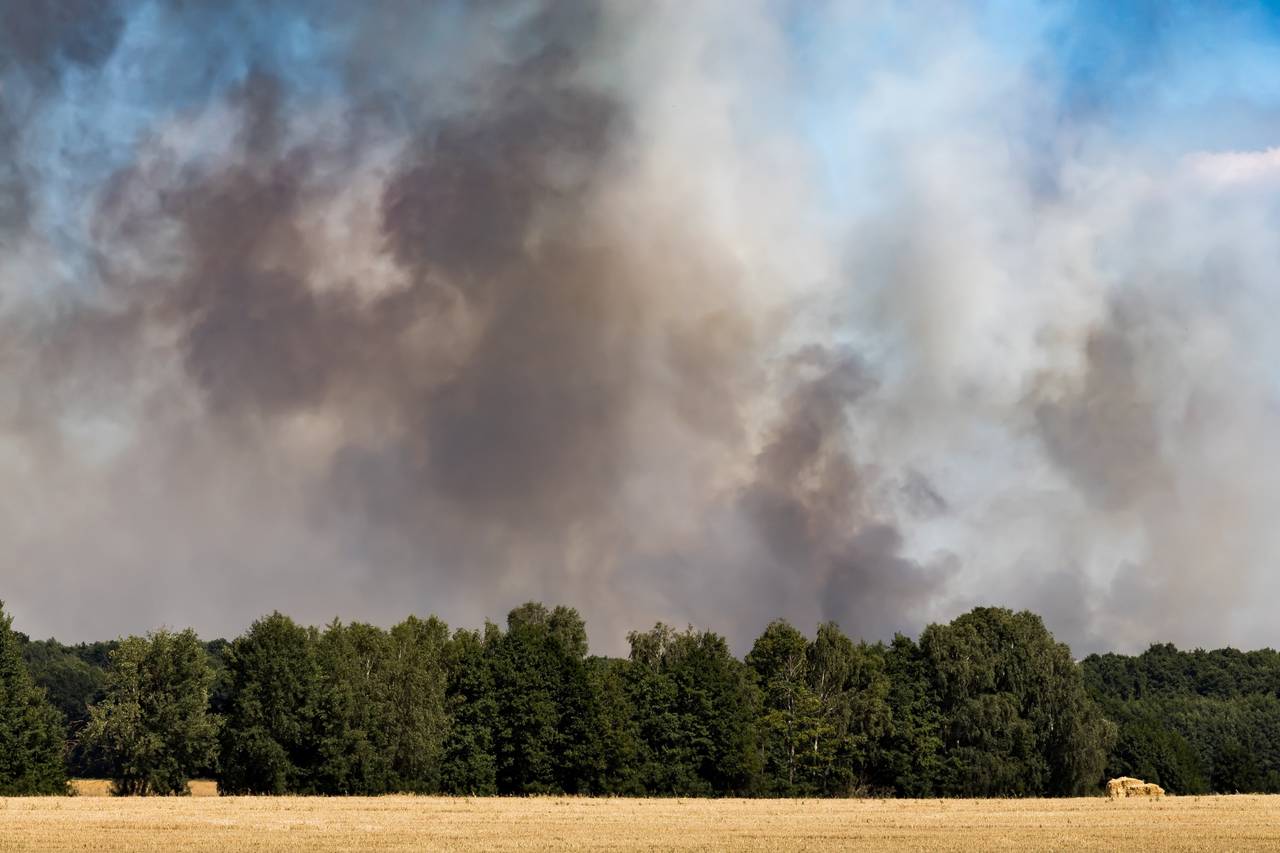
You look up and see the hazy sky. Maybe you smell the faint scent of a campfire. That might be nothing, but then again, even in Kentucky or Indiana, it could be smoke from fires burning hundreds or thousands of miles away, like the Canadian wildfires. The point is that you don't have to live near a fire to see or smell it. Wildfire smoke might even affect your health. You might be wondering what's in the smoke. How might it affect you? And can you protect yourself? Keep reading to explore the answers to these questions.
How Smoke Travels
The smoke from wildfires is made up of really tiny particles, much smaller than even one single human hair. Because they are so light, the wind can carry them hundreds and sometimes even thousands of miles away. Also, because they're so small, they can get into your lungs or your bloodstream. One simple rule might serve you well: If you can see hazy smoke in the sky or smell smoke, you're probably breathing it in.
What Smoke Can Do to Your Body
Smoke can affect your body in a few common ways:
- Stinging eyes
- Watery eyes
- Itchy throat
- Runny nose
- Coughing
- Headaches
- Wheezing
- Feeling tired
- Tight chest
Smoke can sometimes trigger asthma attacks and other types of flare-ups. The following are at higher risk:
- Kids. Young children, with their growing lungs, breathe more air for their body size than adults.
- Adults age 65 and older. Older people may have weaker lungs, hearts and immune systems.
- Pregnant people. During pregnancy, your breathing and blood flow are already in higher demand. Dealing with wildfire smoke can make both work harder and impact both the mother and the baby.
- People with asthma. Smoke can irritate your airways and trigger symptoms, not to mention a full blown asthma attack.
- People with COPD. Having COPD already puts stress on your lungs, stress that can be exacerbated by smoke.
- People with heart disease. Smoke can raise the risk of chest pain or heart issues. This is especially true of someone with a health condition such as congenital heart disease.
Anyone who works outside is more at risk than those who are not as exposed to the smoke.
How to Know When the Air Is Unhealthy
Here is how you can know how clean or unhealthy the air is around you:
- Check the air quality index, also called the AQI. You can do that on most weather apps. The index is color-coded. Green means good and orange means unhealthy for those high-risk groups. Red and above are bad for anyone. Maroon means risky or hazardous.
- Pay attention to local air quality alerts. You might get them on your phone as a notification.
- Trust what you see and smell. If you see a haze or smell smoke, consider those warning signs.
- Keep in mind that air quality changes fast. It can even change from hour to hour.
Simple Ways to Protect Yourself
One of the best ways to protect yourself is to stay indoors on days when there is poor quality air. Keep the windows and doors shut. Run the AC on recirculation mode so that you're not pulling in the smoky air from the outside. Store a portable air cleaner with a HEPA filter nearby. The filter can help clean the indoor air.
If you must be outside, wear an N95 mask, which will filter the fine smoke particles. Note that a simple cloth or surgical mask is not an effective replacement option. If you have a lung condition like asthma, keep your rescue inhaler filled and close to you. Follow your action plan if needed.
When to Reach Out
Reach out to your Baptist Health pulmonologist if you have symptoms that don't go away even when the air is clean. Also, reach out for help if you experience chest pain or trouble breathing. That can be an emergency, so seek medical help right away. If you don't have a Baptist Health pulmonologist, you can find one by visiting our provider directory.