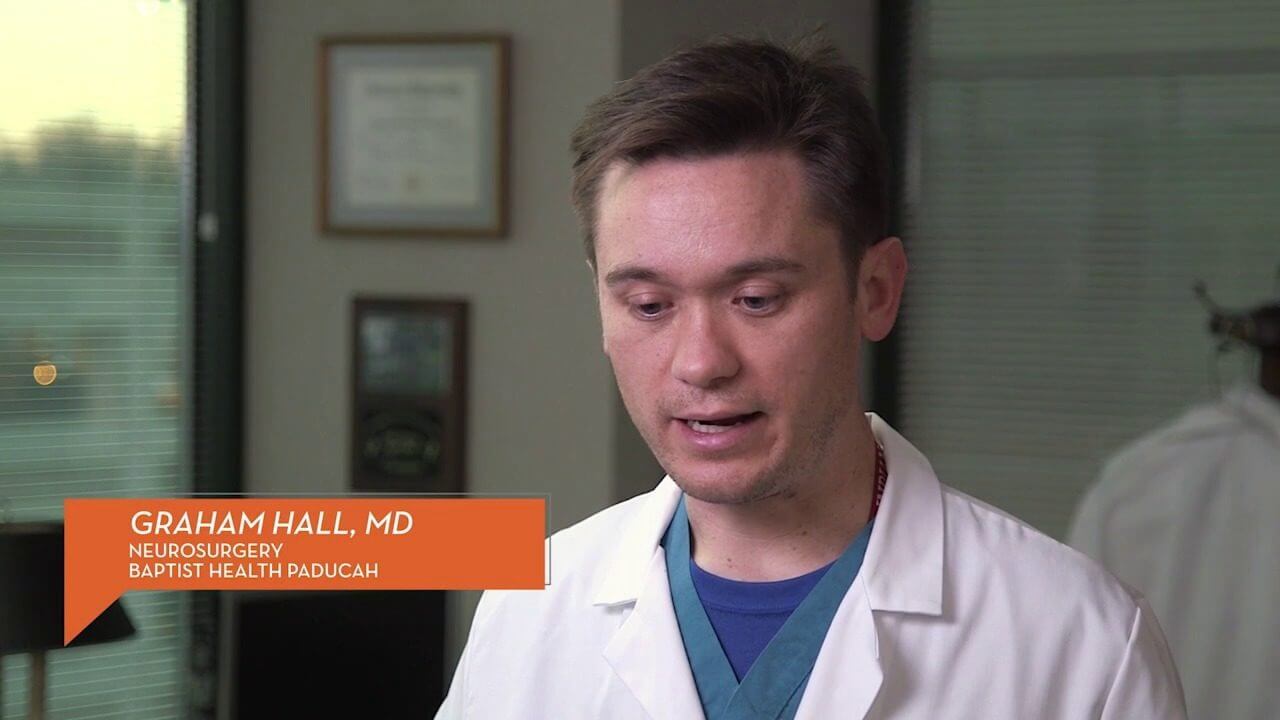
Sepsis is the body's reaction to infections. Specifically, it's kind of an exaggerated response to infections that we see typically in different sorts of patients. Sepsis does evolve very quickly and there are some steps that if they're taken early can help lessen the body's response to an infection.
As a physician I was very familiar with sepsis but I think physicians are often poor patients. I took some Tylenol, laid in a bath. I started hallucinating, getting confused. I also felt very weak.
My husband had to help me to the restroom, and at that point, he decided it was time to go to the As a reminder, we use the acronym for time when we're discussing sepsis.
The T in time stands for temperature, so a particularly elevated temperature or a lower than expected temperature can be signs of early sepsis. The I stands for infection. That can be any infection, respiratory infection, urinary tract infection, skin infections, etc. And then M is mental change, particularly in the elderly. So, an elderly patient with confusion, we're very concerned about the possibility of sepsis. And then the last one is for extreme illness. Feeling worse than you might expect because of a recent cold or infection, having shortness of breath, having a rapid rate, those are all things that should prompt you to see emergent medical attention.