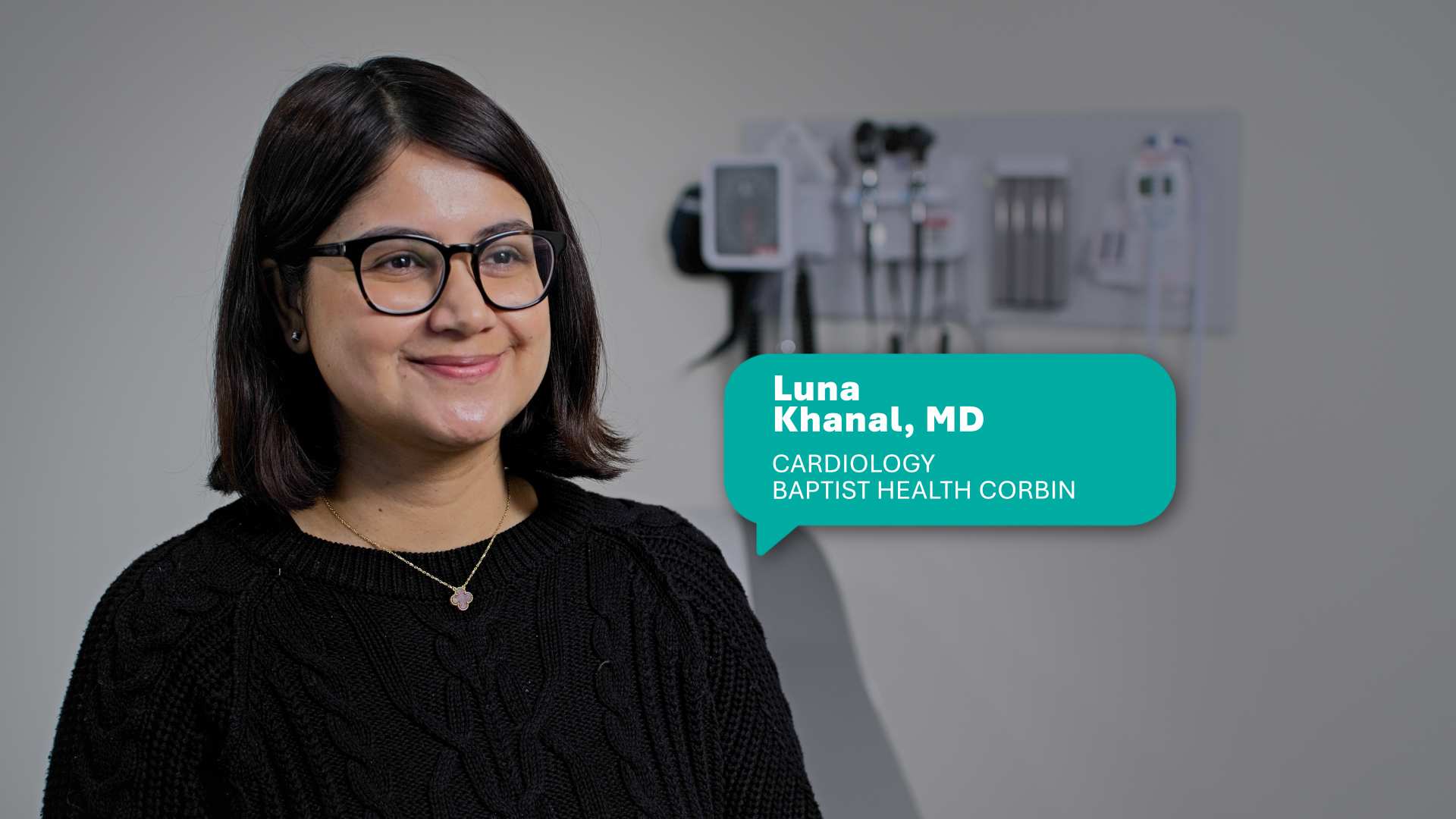
Diabetes can affect heart in many ways. Over time, high blood sugar can affect the blood vessels of the heart, making it easier for cholesterol and fat to deposit in those blood vessels, therefore increasing the risk of heart attacks. Diabetes can also directly weaken and stiffen your heart, therefore increasing the risk of heart failure. People with diabetes may not present with classic signs like chest pain and shortness of breath, and instead can present with symptoms like fatigue, lethargy, nausea, sweating.
If you have any of these signs and symptoms, not ignore it and seek immediate medical attention. Someone with diabetes can lower their risk of heart disease if you adapt healthy lifestyle choices. Make sure that your blood sugar, blood pressure, and cholesterol is under control. Take your medications regularly.
Adapt healthy lifestyle changes like eating healthy diet, exercising regularly. Someone with diabetes needs to see their primary care doctor and discuss heart health at least once a year or every time they have a diabetic care visit. Regular checkups and screening is important as it helps catch disease earlier before it turns into a serious complication. During regular checkups, we make sure that your blood sugar, blood pressure, and cholesterol is controlled.
We discuss lifestyle changes and answer any questions that you have. Just because you have diabetes does not mean you're destined to have a heart disease. As long as you take your medications on time, maintain an active healthy lifestyles, eat healthy food, do daily exercise and make sure that your blood pressure and cholesterol are under control, you can reduce your risk of heart disease.