
How to Swaddle a Newborn: A Step-by-Step Guide
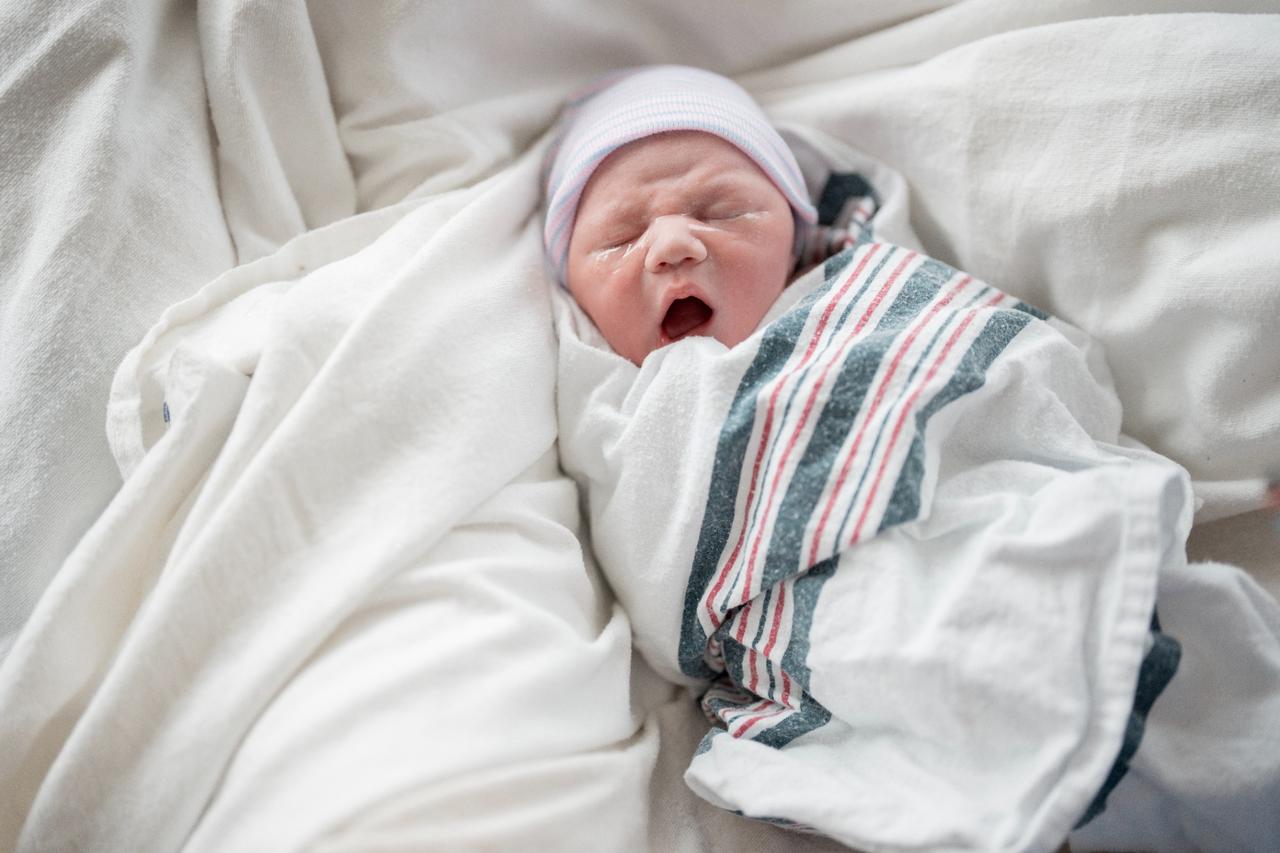
Bringing a new baby home is an exciting time, but it often comes with a few sleepless nights. As you adjust to your new routine, you might find that your little one struggles to settle down or wakes up frequently due to their own startle reflex.
One of the most effective ways to help your baby feel secure and calm is through swaddling. This age-old technique mimics the snug feeling of the womb, helping newborns feel safe as they transition to life on the outside. When done correctly, swaddling can lead to longer stretches of sleep for both you and your baby.
The Benefits of Swaddling
For many patients navigating the first few weeks of parenthood, swaddling becomes a go-to tool in their soothing toolkit. The primary goal of a swaddle is to keep your baby’s arms snugly at their sides, which prevents the "Moro reflex,” which is that sudden jerky movement that can accidentally wake a sleeping infant.
In addition to better sleep, swaddling can help:
- Keep your baby warm until their internal thermostat regulates.
- Prevent your baby from scratching their face with their tiny nails.
- Soothe a colicky or overstimulated baby.
How to Swaddle Your Baby Safely
While it may look like you are making a tiny "baby burrito," there is a specific method to ensure the swaddle is safe and effective. It is important to leave enough room for your baby’s hips to move to prevent developmental issues.
Step 1: The Diamond Fold
Spread a thin, breathable blanket out on a flat surface in a diamond shape. Fold the top corner down about six inches. Lay your baby face-up on the blanket, placing their head just above the folded edge.
Step 2: Secure the First Arm
Gently place your baby’s right arm down by their side. Pull the side of the blanket near their right arm across their chest. Tuck the edge of the blanket securely under their left side (under their back).
Step 3: Fold the Bottom
Fold the bottom corner of the blanket up over your baby’s feet. Ensure there is plenty of room for their legs to bend up and out at the hips. The blanket should be loose around the legs but snug around the chest.
Step 4: Secure the Second Arm
Finally, gently place your baby’s left arm down. Pull the remaining side of the blanket across their chest and tuck it under their right side. You should be able to fit two to three fingers between the blanket and your baby’s chest.
Important Safety Reminders
Your safety and the safety of your baby are our top priorities at Baptist Health. Always remember these guidelines:
- Back to Sleep: Always place your swaddled baby on their back to sleep.
- Monitor Temperature: Ensure your baby does not overheat. If you notice sweating, damp hair, or flushed cheeks, the swaddle may be too warm.
- Stop Swaddling Early: Once your baby shows signs of trying to roll over, it is time to stop swaddling and transition to a sleep sack.
- Hip Health: Avoid wrapping the legs too tightly. A snug but "hip-healthy" swaddle allows for natural joint development.
If you have questions about your baby's sleep habits or growth, your Baptist Health pediatrician can provide personalized guidance during your regular checkups.
When to Talk to a Provider
While swaddling is a great way to soothe a fussy baby, it isn't a "fix-all" for every situation. If your baby seems inconsolable, has a fever, or isn't feeding well, reach out to your Baptist Health provider. Whether you are visiting one of our clinics or a Mother and Baby unit, we are here to support your family's journey.
If you don’t have a Baptist Health pediatrician, you can find one by visiting our provider directory.
.jpg?rev=cfbf0db73569439dac534cdcb4bcf7d7)

.jpg?rev=eb7780cd61f14cb7822b4204e345cff6)