How Accurate Is a Blood Test for Colon Cancer?
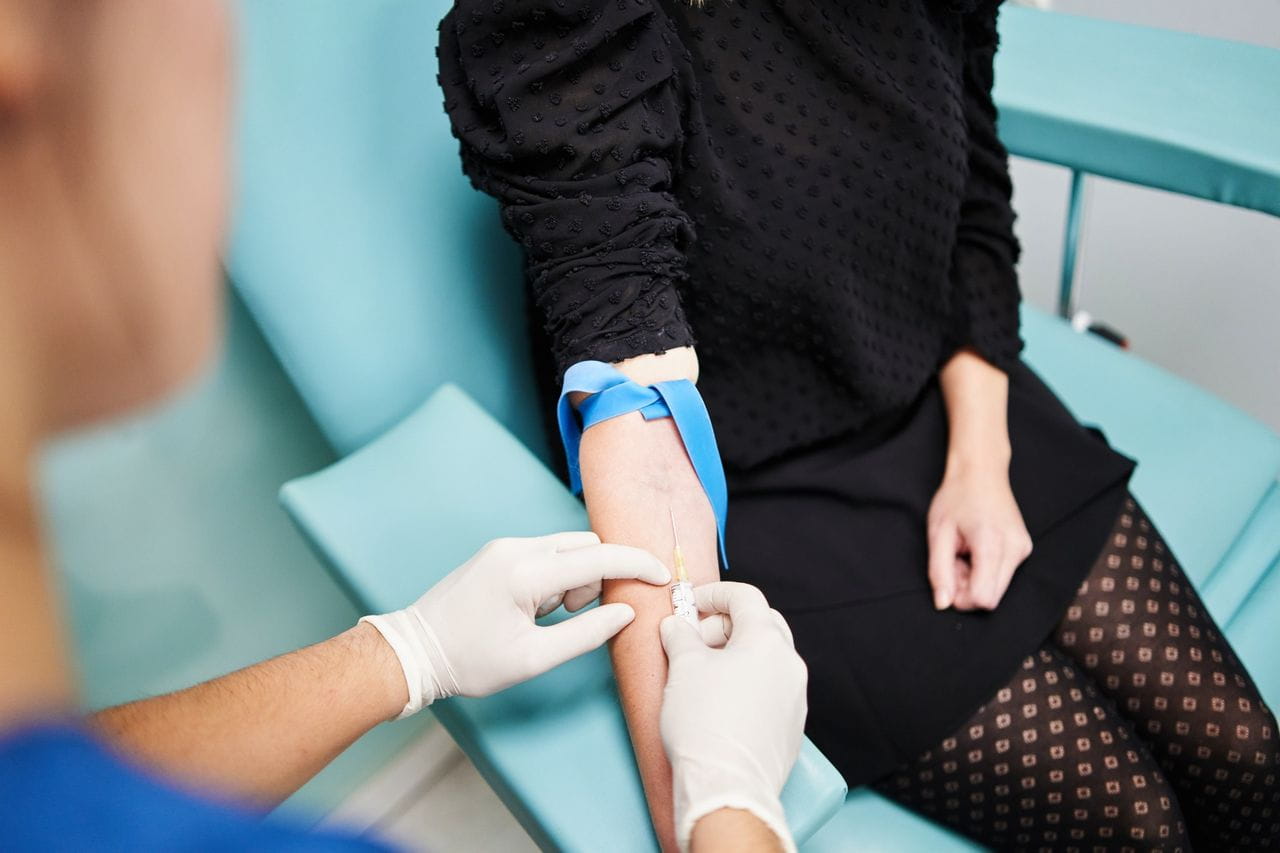
Finding colon cancer early is one of the best ways to protect your long-term health. While many patients are familiar with traditional screening methods, a new option has recently emerged: a blood test. This noninvasive choice is becoming more widely available, but you may wonder how it compares to the "gold standard" of care.
Understanding the accuracy of these tests and what they can and cannot find is an important part of managing your wellness.
Understanding the New Blood Test
The U.S. Food and Drug Administration (FDA) recently approved a blood-based screening test for colon cancer in adults age 45 and older who are at average risk. This test works by looking for tiny fragments of DNA that cancer cells shed into the bloodstream.
For patients who have avoided other types of screening, this represents a significant step forward. It can be completed during a routine checkup with your healthcare provider and does not require the special diet or "prep" associated with other procedures.
How Accurate Is It?
When discussing accuracy, providers look at how well a test detects actual cancer and how often it gives a "false positive." Research shows that the current blood test is about 83% accurate at detecting colorectal cancer.
However, there is a catch. While the test is effective at finding existing cancer, it is much less effective at finding precancerous growths, also known as polyps. Studies indicate the blood test may only find about 13% of these advanced precancerous lesions.
In contrast, a colonoscopy is highly accurate at finding both cancer and the polyps that lead to it. Because a provider can remove those polyps during the procedure, it is the only screening method that can actually prevent cancer from developing in the first place.
Choosing the Right Screening for You
Every patient has different needs and risk factors. While the blood test is a convenient tool, it is generally intended for those who might otherwise skip screening entirely. It is important to keep the following in mind:
- A positive result requires follow-up: If your blood test comes back positive, you will still need to schedule a colonoscopy to identify and remove the source of the concern.
- It does not replace prevention: Because the blood test often misses precancerous polyps, it is not considered a replacement for the preventative power of a traditional exam.
- Screening intervals: If you choose the blood test, it is typically recommended that you repeat it every three years.
Talk With Your Provider
The best screening test is the one that actually gets done. If you have been delaying your colorectal cancer screening, talk with your Baptist Health primary care provider about which option fits your lifestyle and health history. They can help you weigh the convenience of a blood draw against the comprehensive protection of other methods.
Whether you choose a stool-based test, a blood test, or a colonoscopy, the most important step is starting the conversation today.
If you don't have a Baptist Health oncologist, please find one in our provider directory.