Do I Have Multiple Sclerosis (MS)? Understanding Early Signs and Symptoms

Multiple sclerosis (MS) is a disease in which the brain and spinal cord develop lesions that can cause a wide range of symptoms. The National Multiple Sclerosis Society estimates that 2.3 million people worldwide have MS.
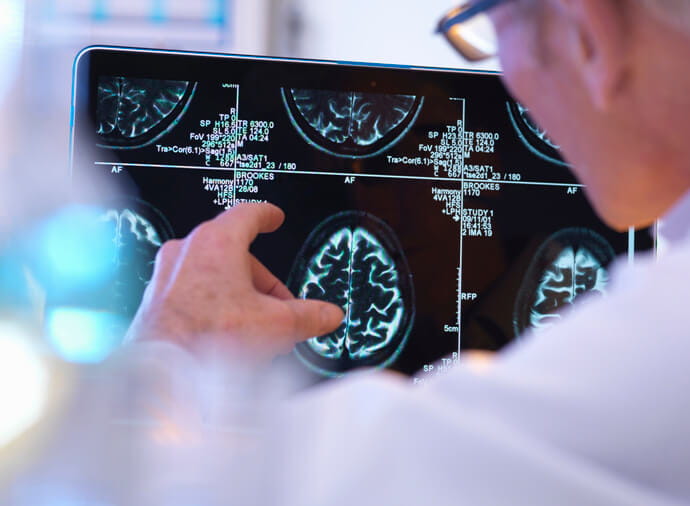
MS is difficult to diagnose, as many of its symptoms can be caused by other conditions including stroke and migraines. In one study done by Cedars-Sinai on nearly 400 people currently being treated for MS at two clinics, one in six were found not to have the disease. Research is ongoing to find a way to distinguish the lesions caused by MS and visible on a magnetic resonance imaging (MRI) scan from similar spots caused by stroke or migraines.
Early Signs of Multiple Sclerosis
Some common early signs of multiple sclerosis include:
- Spasms
- Pain
- Tingling
- Rigidity or paralysis
- Bladder issues
- Dizziness
- Fatigue
- Sexual dysfunction
- Vision loss
- Cognitive problems
Multiple Sclerosis (MS) Symptoms & Diagnosis
While most cases of MS occur between the ages of 20-45, there currently are no symptoms or test results that, in isolation, confirm a person has MS. If an individual is displaying common multiple sclerosis signs and symptoms, doctors make the diagnosis by determining three things:
- There is damage in two or more separate areas of the central nervous system (this includes the brain, spinal cord, and optic nerves).
- The damage developed at different points in time.
- All other causes and diagnoses have been ruled out.
The tools used to determine if a patient has MS include:
- A physical exam in which the doctor assesses coordination and balance, vision and other attributes such as language and mental functioning.
- An MRI, which is a non-invasive scan of the brain, spinal cord or other areas of the body.
- Blood tests to rule out conditions like Lyme disease and AIDS.
- A cerebrospinal fluid test that looks at the fluid that surrounds the brain and spinal cord.
- An evoked potentials test that stimulates key neural pathways and measures the change in electrical activity in the brain.
Other Causes of MS-Like Symptoms
MS produces what is called demyelination in the central nervous system. However, a number of other medical conditions can cause demyelination. They include viral infections, excessive exposure to certain toxic materials, some autoimmune diseases, vitamin B12 deficiency, and certain hereditary disorders.
Some of these conditions may resolve on their own while others continue to worsen over time. Consequently, repeated testing and evaluation may be needed to determine the exact cause of a patient’s MS-like symptoms.
If you have any questions about MS, please reach out to your Baptist Health neurologist. If you do not have a neurologist, you can find one by visiting our provider directory.