How Long Do Hearing Aids Last?
Hearing aids are impressive pieces of tech that keep you plugged into the world. When you buy them, you naturally want to know how long that investment is going to last.
While today’s devices are tougher than ever, their lifespan depends on several factors, including how often they’re used and how quickly technology evolves. Understanding these details can help you plan ahead so you don’t miss out on important conversations.
The Average Lifespan of Modern Hearing Aids
Most prescription hearing aids are designed to last between three and seven years. Many experts consider the five-year mark a practical point to begin thinking about replacement, as internal components gradually wear down.
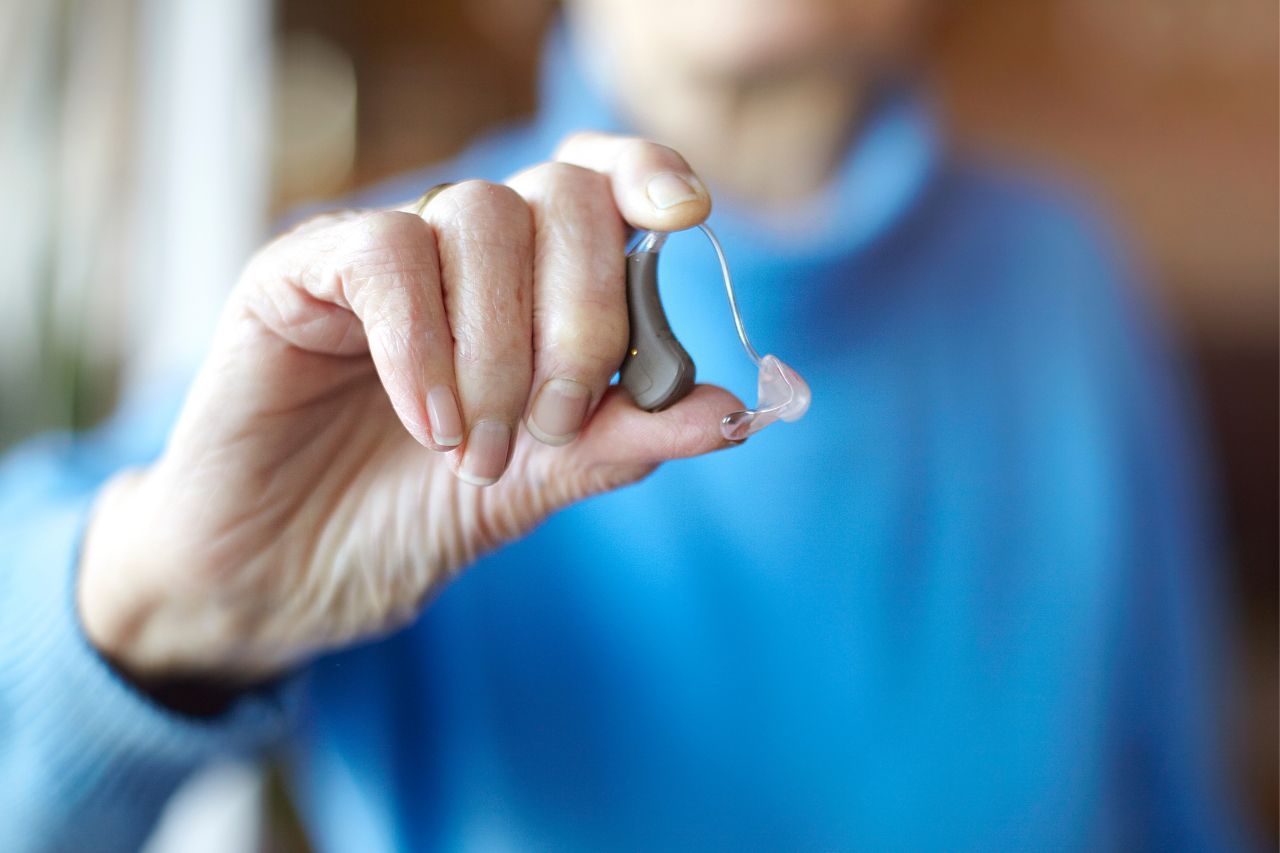
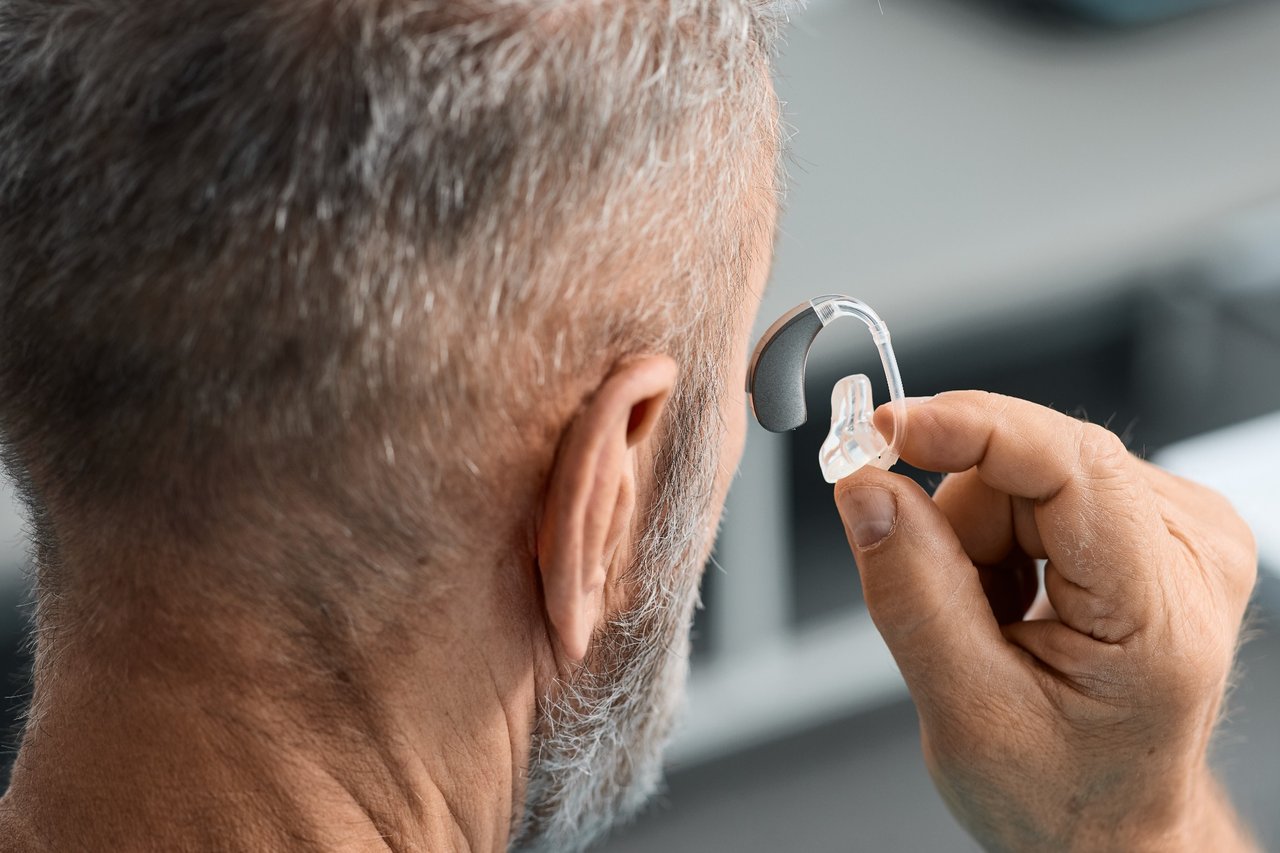
The type of hearing aid you use plays a major role in longevity. Behind-the-ear (BTE) models often last five to seven years because their sensitive electronics are housed in a durable casing outside the ear.
Devices worn deeper in the ear canal typically have a shorter lifespan. In-the-ear (ITE) hearing aids generally last three to five years. Smaller options, such as in-the-canal (ITC) or completely-in-the-canal (CIC) models, may last closer to three years due to constant exposure to moisture and heat.
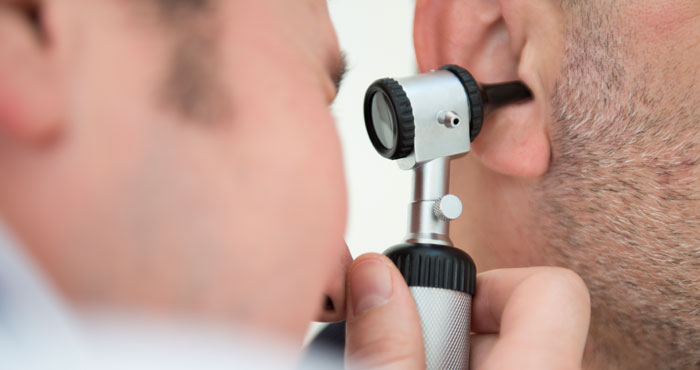
Regardless of style, regular visits with an audiology specialist and routine hearing screenings can help monitor performance and hearing changes over time.
Factors That Impact Hearing Aid Longevity
A combination of lifestyle and environmental factors determines how quickly hearing aids wear out. These devices are made from materials such as plastic, metal, silicone, and synthetic polymers. Even with protective coatings, they are still vulnerable to everyday wear.
The most common threats include moisture, earwax, dust, perspiration, and skin oils. Climate also matters. Living in a humid area can increase the risk of internal corrosion or performance issues.
Activity level plays a role as well. Outdoor exercise exposes devices to more sweat and airborne debris. Accidental drops can crack the casing or damage sensitive microphones, shortening the device’s usable life.
Signs It’s Time for New Hearing Aids
Hearing aids don’t need to completely fail before replacement makes sense. Changes in your hearing or health can signal that your current devices are no longer meeting your needs.
If you’re turning up the TV volume more often, your hearing loss may have changed. An audiology specialist can determine whether adjustments are sufficient or if newer technology would be more effective.
Frequent repairs are another sign it may be time to upgrade. Replacement also becomes necessary if manufacturers no longer produce parts for your current model.
Maintenance Tips To Extend Device Life
Consistent daily care can significantly extend how long hearing aids last. Wiping them down each night with a soft, dry cloth helps prevent buildup from hardening.
For deeper cleaning, a provider can replace components such as tubing, wax guards, or silicone domes. If sound quality suddenly becomes muffled, the issue may be a blockage or an ear infection that requires attention. It could also possibly be a sign of age-related hearing loss or Presbycusis.
Regular checkups with your primary care provider and professional hearing aid maintenance help keep your devices working properly and support long-term hearing health. If you need to find a Baptist Health audiologist in your area, please call 1.844.679.6835 or visit our provider directory.