{ "@context": "https://schema.org", "@type": "BlogPosting", "mainEntityOfPage": { "@type": "WebPage", "@id": "https://www.baptisthealth.com/blog/emergency-care/what-is-popcorn-lung" }, "headline": "What Is Popcorn Lung?", "description": "Learn what popcorn lung (bronchiolitis obliterans) is, its causes, symptoms, and treatment options, plus how vaping and chemical exposures may affect your lungs.", "image": "https://www.baptisthealth.com/-/media/images/blog/emergency-care/popcorn-lung1280x853.jpg?rev=166cb71cb05845588fb5e4eb11f18ea4", "url": "https://www.baptisthealth.com/blog/emergency-care/what-is-popcorn-lung", "datePublished": "2025-12-12T08:00:00-05:00", "dateModified": "2025-12-12T08:00:00-05:00", "author": { "@type": "Organization", "name": "Baptist Health", "url": "https://www.baptisthealth.com" }, "publisher": { "@type": "Organization", "name": "Baptist Health", "logo": { "@type": "ImageObject", "url": "https://www.baptisthealth.com/-/media/images/logos/baptist-health-logo.png" }, "url": "https://www.baptisthealth.com" }, "articleSection": "Emergency Care", "articleBody": "When you hear the term \"popcorn lung,\" it might sound like an issue that isn’t especially serious. However, this condition is a very real and significant respiratory illness that can cause lasting damage to your airways.\n\nWhile the name sounds unusual, the effects on your health are no laughing matter. Understanding the causes, symptoms and potential treatments can help you protect your lungs and know when to consult a healthcare provider.\n\nAnother Name for Bronchiolitis Obliterans\nPopcorn lung is the common name for a condition medically known as bronchiolitis obliterans. The nickname actually comes from a specific group of workers in a microwave popcorn factory who developed the disease after breathing in a flavoring chemical called diacetyl.\n\nThe condition occurs when the smallest airways in your lungs, called the bronchioles, become inflamed and scarred. As this scarring builds up over time, it narrows the airways, making it difficult for your lungs to get enough oxygen.\n\nThe scarring essentially blocks the movement of air, leading to breathing difficulties that can mimic other respiratory conditions, including chronic obstructive pulmonary disease (COPD) and asthma.\n\nPopcorn Lung: Common Causes and Risk Factors\nThe primary cause first associated with popcorn lung is diacetyl. This chemical was used to give microwave popcorn its buttery taste. Although many major popcorn manufacturers removed diacetyl from their products after the risk became apparent, the chemical is still found in other places. For instance, it can be present in the liquid used for some electronic cigarettes and vaping products.\n\nBeyond diacetyl, other harmful chemicals and substances can trigger this condition. Inhaling toxins such as acetaldehyde, which is found in marijuana smoke and some e-cigarettes, can damage lung tissue. Metal oxide fumes from welding, formaldehyde found in certain glues and gases like ammonia or chlorine are also known risks.\n\nSometimes, the condition isn’t caused by chemicals. For example, pneumonia, bronchitis and other severe respiratory infections can lead to popcorn lung. Additionally, individuals with conditions such as rheumatoid arthritis may be at higher risk. The condition is also a known complication for people who have undergone lung or stem cell transplants.\n\nPopcorn Lung Symptoms\nThe symptoms of popcorn lung can appear gradually and may include:\n\nDry cough\nShortness of breath\nWheezing\nUnexplained tiredness\nFever\nNight sweats\nSkin rash\nIf you experience breathing difficulties that don’t improve or seem to worsen during exercise, it is essential to consult your primary care provider.\n\nHow Popcorn Lung Is Diagnosed\nDiagnosing popcorn lung can be challenging because its symptoms often resemble those of other common lung conditions. Your provider will likely start by reviewing your medical history and asking about any potential chemical exposures.\n\nTo get a clearer picture of what is happening inside your lungs, they may order imaging tests, such as a chest X-ray or CT scan. Lung function tests are another common diagnostic tool. These measure how much air your lungs can hold and how quickly you can exhale it. Providers may also perform a lung biopsy to obtain and analyze a small sample of lung tissue.\n\nPopcorn Lung Treatment and Management\nUnfortunately, there is currently no cure for bronchiolitis obliterans. The scarring it causes is irreversible. The main goal of treatment is to manage symptoms and prevent further damage. The first and most critical step is to stop any exposure to the chemicals causing the problem. If you vape or smoke, quitting is essential to protect your remaining lung function.\n\nProviders may prescribe medications to help reduce inflammation and open up the airways. These can include:\n\nCorticosteroids like prednisone.\nInhalers with albuterol.\nAntibiotics for infections.\nMedications to suppress the immune system.\nOxygen therapy.\nIn severe cases where lung function is critically low, a lung transplant may be needed.\n\nReducing Your Risk of Popcorn Lung\nPrevention is the best strategy when it comes to popcorn lung. Avoiding e-cigarettes and vaping products is one of the best ways to lower your risk.\n\nIf you work in an industry where you might be exposed to dangerous fumes, always wear the appropriate protective gear. Keeping up with vaccinations can also help prevent the respiratory infections that may trigger the condition. To learn more about your lung health, please contact your Baptist Health respiratory provider. If you do not have a provider, you can find one by visiting our online provider directory. Download a patient packet to prepare for your next appointment." }
December 12, 2025

What Is Popcorn Lung?

Doctor checking a male patient's lungs

When you hear the term "popcorn lung," it might sound like an issue that isn’t especially serious. However, this condition is a very real and significant respiratory illness that can cause lasting damage to your airways.

While the name sounds unusual, the effects on your health are no laughing matter. Understanding the causes, symptoms and potential treatments can help you protect your lungs and know when to consult a healthcare provider.

Another Name for Bronchiolitis Obliterans

Popcorn lung is the common name for a condition medically known as bronchiolitis obliterans. The nickname actually comes from a specific group of workers in a microwave popcorn factory who developed the disease after breathing in a flavoring chemical called diacetyl.

The condition occurs when the smallest airways in your lungs, called the bronchioles, become inflamed and scarred. As this scarring builds up over time, it narrows the airways, making it difficult for your lungs to get enough oxygen.

The scarring essentially blocks the movement of air, leading to breathing difficulties that can mimic other respiratory conditions, including chronic obstructive pulmonary disease (COPD) and asthma.

Popcorn Lung: Common Causes and Risk Factors

The primary cause first associated with popcorn lung is diacetyl. This chemical was used to give microwave popcorn its buttery taste. Although many major popcorn manufacturers removed diacetyl from their products after the risk became apparent, the chemical is still found in other places. For instance, it can be present in the liquid used for some electronic cigarettes and vaping products.

Beyond diacetyl, other harmful chemicals and substances can trigger this condition. Inhaling toxins such as acetaldehyde, which is found in marijuana smoke and some e-cigarettes, can damage lung tissue. Metal oxide fumes from welding, formaldehyde found in certain glues and gases like ammonia or chlorine are also known risks.

Sometimes, the condition isn’t caused by chemicals. For example, pneumonia, bronchitis and other severe respiratory infections can lead to popcorn lung. Additionally, individuals with conditions such as rheumatoid arthritis may be at higher risk. The condition is also a known complication for people who have undergone lung or stem cell transplants.

Popcorn Lung Symptoms

The symptoms of popcorn lung can appear gradually and may include:

  • Dry cough
  • Shortness of breath
  • Wheezing
  • Unexplained tiredness
  • Fever
  • Night sweats
  • Skin rash

If you experience breathing difficulties that don’t improve or seem to worsen during exercise, it is essential to consult your primary care provider.

How Popcorn Lung Is Diagnosed

Diagnosing popcorn lung can be challenging because its symptoms often resemble those of other common lung conditions. Your provider will likely start by reviewing your medical history and asking about any potential chemical exposures.

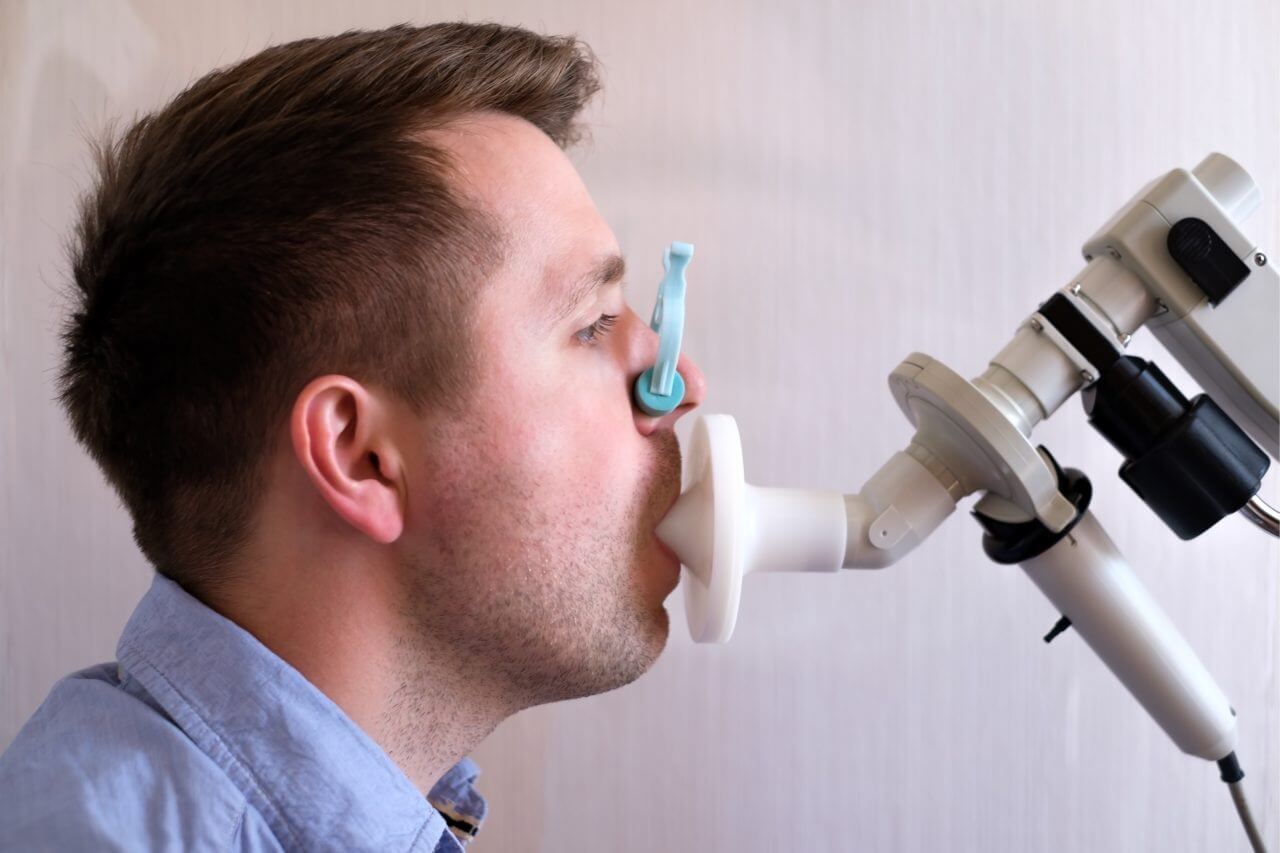
To get a clearer picture of what is happening inside your lungs, they may order imaging tests, such as a chest X-ray or CT scan. Lung function tests are another common diagnostic tool. These measure how much air your lungs can hold and how quickly you can exhale it. Providers may also perform a lung biopsy to obtain and analyze a small sample of lung tissue.

Popcorn Lung Treatment and Management

Unfortunately, there is currently no cure for bronchiolitis obliterans. The scarring it causes is irreversible. The main goal of treatment is to manage symptoms and prevent further damage. The first and most critical step is to stop any exposure to the chemicals causing the problem. If you vape or smoke, quitting is essential to protect your remaining lung function.

Providers may prescribe medications to help reduce inflammation and open up the airways. These can include:

  • Corticosteroids like prednisone.
  • Inhalers with albuterol.
  • Antibiotics for infections.
  • Medications to suppress the immune system.
  • Oxygen therapy.

In severe cases where lung function is critically low, a lung transplant may be needed.

Reducing Your Risk of Popcorn Lung

Prevention is the best strategy when it comes to popcorn lung. Avoiding e-cigarettes and vaping products is one of the best ways to lower your risk.

If you work in an industry where you might be exposed to dangerous fumes, always wear the appropriate protective gear. Keeping up with vaccinations can also help prevent the respiratory infections that may trigger the condition. To learn more about your lung health, please contact your Baptist Health respiratory provider. If you do not have a provider, you can find one by visiting our online provider directory. Download a patient packet to prepare for your next appointment.