10 Tips for Healthy Lungs

Most of us take thousands of breaths every day without giving it a second thought.
Although your respiratory system works automatically and has impressive resilience, it’s still important to take care of your lungs. Being proactive can help reduce your risk of lung disease and keep your lungs working efficiently for years to come.
Here are 10 tips to help you prioritize your lung health.
1. Don’t Smoke or Vape.
Smoking greatly increases your risk of lung cancer and chronic obstructive pulmonary disease (COPD). Tobacco smoke can narrow air passages, make breathing more difficult and irritate or inflame the lungs over time. It can also damage lung tissue.
If you have never smoked, do not start. If you currently smoke, it’s never too late to quit. You should also avoid electronic cigarettes or vaping, as they can expose your lungs to harmful chemicals.
2. Avoid Exposure to Indoor Pollutants.
The air inside your home can sometimes contain irritants that affect breathing. Secondhand smoke, household chemicals and some building materials can all contribute.
Start by making your home smoke-free. Consider dusting and vacuuming regularly, and use ventilation when cooking or cleaning. If outdoor air quality is good, opening windows at times can help circulate fresh air. You may also want to avoid scented candles and artificial air fresheners, which can irritate sensitive airways.
3. Minimize Your Exposure to Outdoor Air Pollution.
Outdoor air quality varies day to day, so it’s smart to check local air quality forecasts. Using that information, try to avoid exercising outdoors on days when air pollution is high. When possible, focus your outdoor time on areas away from heavy traffic and other sources of pollution.
4. Prevent Infections.
Respiratory infections can become serious quickly for some people. Protecting yourself from germs is one of the best ways to avoid illnesses like the flu, pneumonia and RSV (respiratory syncytial virus).
Wash your hands frequently and thoroughly with soap and water, or use alcohol-based hand cleaner when you can’t get to a sink. During cold and flu season, try to avoid close contact with people who are sick when you can. If you’re sick, stay home to support your recovery and help protect others.
5. Stay Current on Vaccinations.
Vaccines can help protect your lungs (and your body in general) from certain illnesses. Talk with your healthcare provider to learn which vaccinations they recommend for you. Preventing severe respiratory infections can help reduce the risk of long-term complications.
6. Exercise Regularly.
Physical activity supports healthy breathing and overall fitness. When you exercise, your heart and lungs work harder to deliver oxygen to your muscles, and regular activity can improve endurance and how efficiently your body uses oxygen. Aerobic activities such as walking, running, swimming or biking are excellent choices.
7. Practice Deep Breathing.
Deep breathing exercises can help you use your lungs more fully and support efficient oxygen exchange. Simple techniques like diaphragmatic breathing can be a good place to start.
Take a few minutes each day to focus on slow, deep breaths. This practice can support lung efficiency, and it may also help lower stress.
8. Eat Healthy Foods and Stay Hydrated.
Eating a balanced diet supports your health overall, including your lungs. Drinking enough water can also help your respiratory system work well. Staying hydrated helps keep mucus thinner, which can make it easier for your body to clear your airways.
9. Test Your Home for Radon.
Radon is a naturally occurring radioactive gas produced by the breakdown of uranium in soil. Long-term exposure to high radon levels can increase the risk of lung cancer.
You can’t see, smell or taste radon. Testing is the only way to know if radon levels in your home are elevated. Consider having a qualified professional conduct the test to help ensure accurate results.
10. Get Annual Physical Exams.
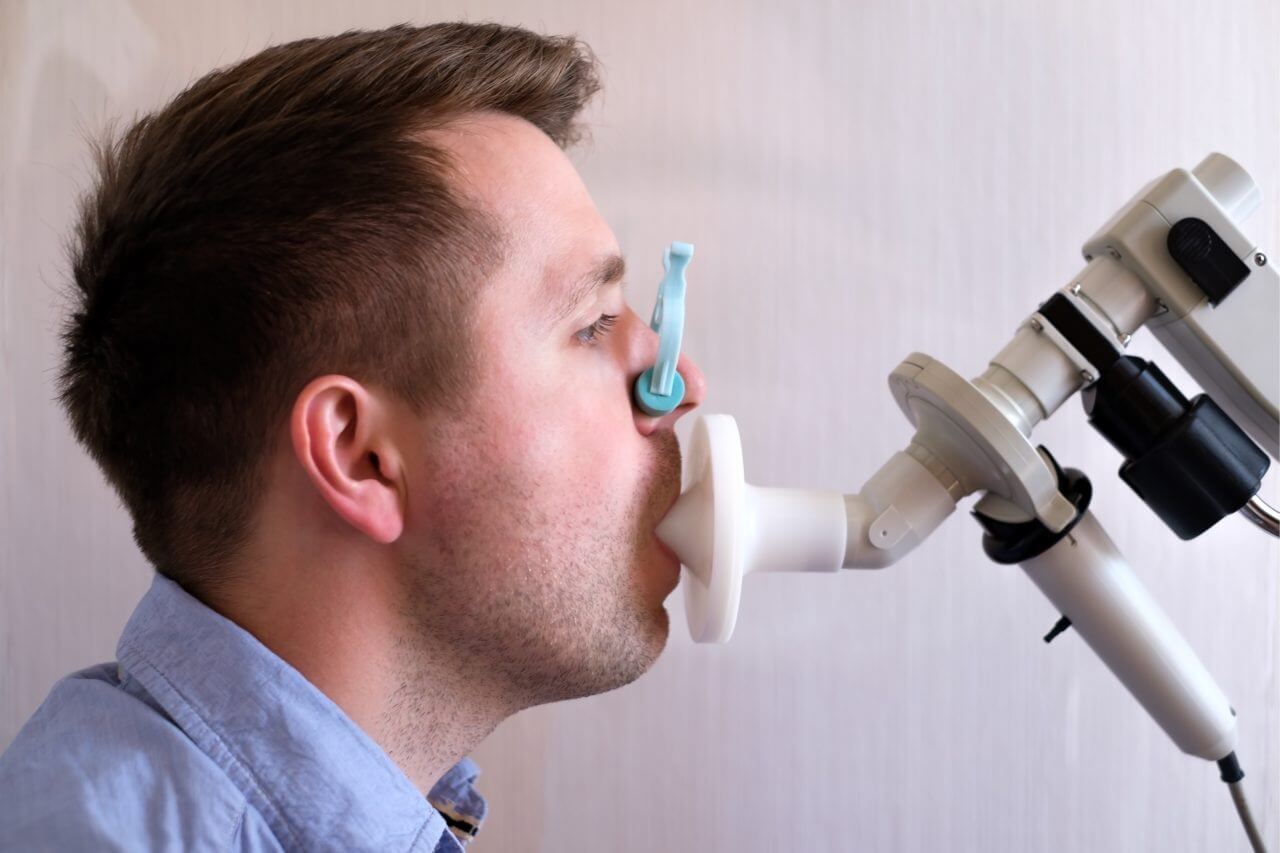
Regular check-ups are an important part of prevention. You should visit your primary care provider annually, even when you are feeling well. These appointments allow your provider to listen to your breathing and establish a baseline for your lung health.
Some lung conditions can go unnoticed until they reach an advanced stage. Identifying changes early can make treatment more effective.
Get Help With Lung Conditions From Baptist Health
Common signs of lung conditions include chronic cough, shortness of breath, chronic mucus production, wheezing, coughing up blood and chronic chest pain. If you experience these symptoms, schedule an appointment with your healthcare provider.
To learn more about your lung health, please contact your Baptist Health respiratory provider. If you do not have a provider, you can find one by visiting our online provider directory. Download a patient packet to prepare for your next appointment.