How Do Lungs Change With Age?
Most of us don't think much about breathing. It’s an automatic process that keeps us alive, delivering oxygen to our blood and removing carbon dioxide. However, just as our knees might get a little creaky or our eyesight a bit dimmer as the years pass, our lungs also undergo a natural aging process.
Understanding these changes is the first step toward maintaining better respiratory health. While you can’t stop the clock, you can take specific steps to protect your lungs and keep them functioning as well as possible.
When Do Lungs Start To Age?
It might surprise you to learn that lung function often peaks in early adulthood. After this peak, lung function tends to decline gradually over time. Many people begin noticing subtle changes as they move through their 30s and beyond, even if they are otherwise healthy.
For many people, these gradual changes are barely noticeable during day-to-day activities. You might only realize your capacity has shifted when you attempt vigorous exercise or when you’re dealing with a respiratory illness.
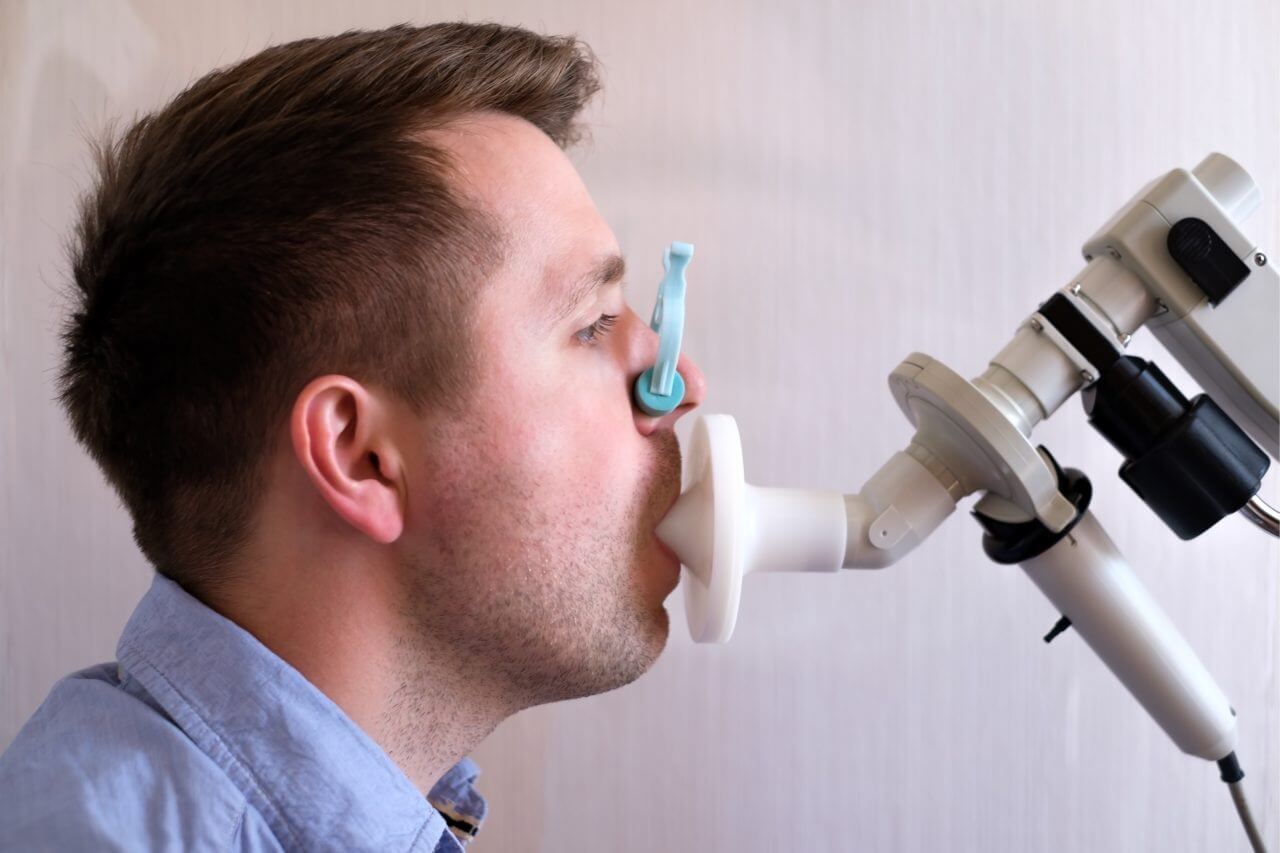
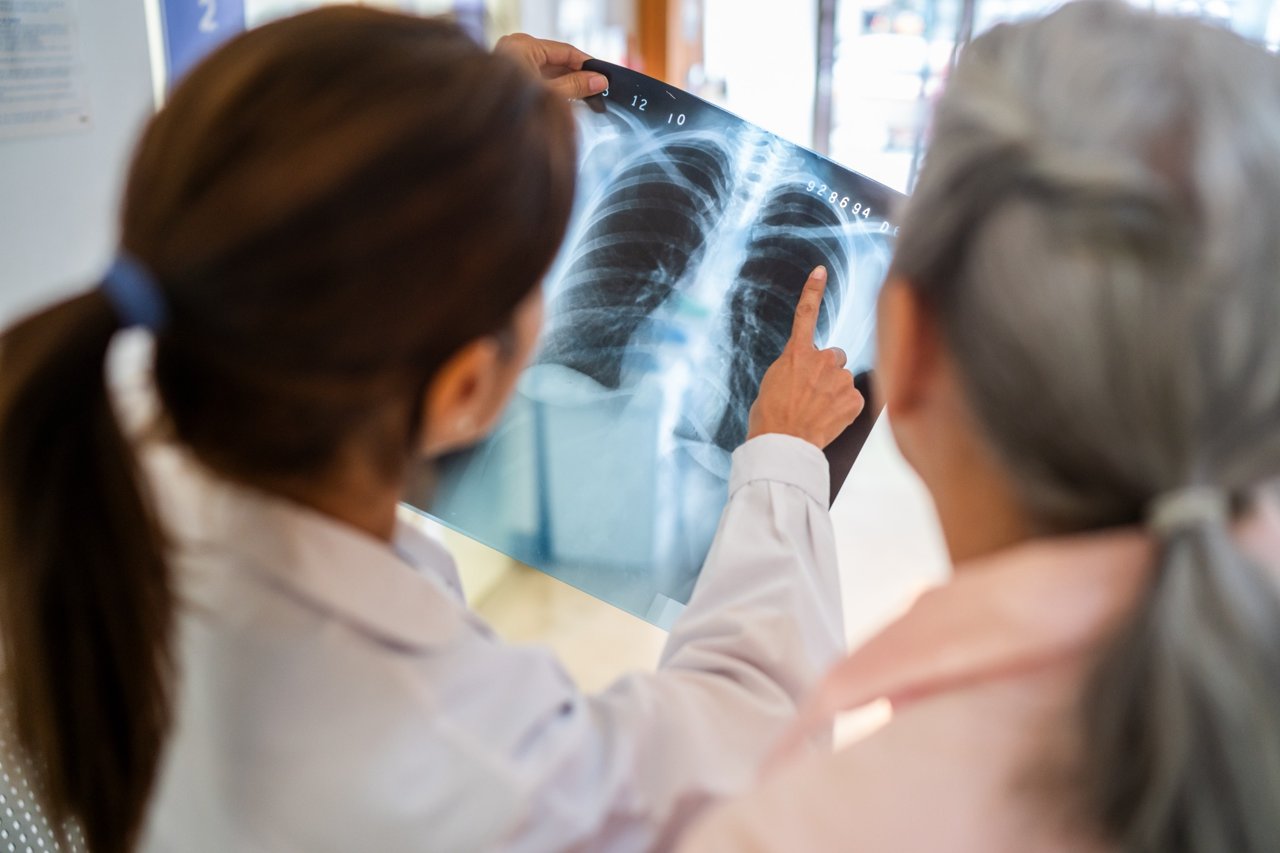
If you’re evaluating persistent symptoms or changes in your breathing, your provider may recommend testing such as a pulmonary function test to better understand how your lungs are working.
Structural Changes in the Respiratory System
Several physical changes can occur within the chest cavity and the lung tissue itself. One significant change involves the alveoli. These are tiny air sacs deep within the lungs where oxygen and carbon dioxide are exchanged. As we age, the alveoli can lose their shape and become less elastic.
This loss of elasticity means there’s less surface area available for gas exchange. As a result, your body may not move oxygen into the bloodstream as efficiently as it once did.
The bones and muscles around the lungs can change, too. The diaphragm, which is the strong muscle that helps you breathe, can weaken over time. At the same time, the rib cage may become stiffer, which can make it harder for your chest to fully expand and contract.
These normal changes can be more noticeable if you’re also living with a lung condition such as chronic obstructive pulmonary disease (COPD).
The Impact on Lung Defense Mechanisms
Your lungs have built-in defense systems designed to keep you healthy, but these defenses can slow down with age. Nerves in your airways that usually trigger coughing may become less sensitive. A reduced cough reflex means your body may be less efficient at clearing mucus and foreign particles, which can increase the risk of choking or aspiration.
Additionally, the immune system often weakens with age. This can leave older adults more vulnerable to respiratory infections like pneumonia, flu, and human metapneumovirus (HMPV). Recovery from these illnesses can also take longer than it did when you were younger.
Summary of Age-Related Lung Changes
Here are a few common age-related lung and breathing changes, along with why they can matter.
- Alveoli. Air sacs can lose elasticity, which may reduce how efficiently oxygen moves into the blood.
- Rib cage. Bones can thin and the chest wall can stiffen, which may make it harder to expand the chest fully.
- Diaphragm. The main breathing muscle can weaken over time, which may reduce the strength of each inhale.
- Airway nerves. Sensitivity can decrease, which may weaken the cough reflex and reduce airway clearing.
- Immune system. Immune defenses can decline, which may increase infection risk.
Protecting Your Lungs as You Age
While you can’t reverse the aging process, you can adopt habits to protect your lungs. One of the most important steps is to avoid smoking. Smoking can accelerate lung aging and is a major risk factor for lung cancer and other respiratory diseases. If you smoke, quitting can benefit your health at any age.
Exercise is another powerful tool. Physical activity doesn’t physically enlarge your lungs, but it can improve cardiorespiratory fitness. That can make it easier for your lungs to supply oxygen to your heart and muscles during activity.
You should also pay attention to air quality. Avoid exposure to secondhand smoke, chemicals, and outdoor air pollution when possible. If indoor air quality is a concern, an air purifier may help reduce irritants.
Finally, talk with your provider about vaccinations recommended for your age and health history. Because aging lungs can be more prone to infection, vaccines such as an annual flu shot and pneumococcal vaccination can be important. If you do get sick, staying hydrated can help keep mucus thinner and easier to clear.
Talk With Baptist Health About Lung-Related Symptoms
Although our lungs change over time, symptoms like shortness of breath or a chronic cough shouldn’t automatically be brushed off as “just getting older.”
To learn more about your lung health, please contact your Baptist Health pulmonary care provider. If you do not have a provider, you can find one by visiting our online provider directory. Download a patient packet to prepare for your next appointment.