Microplastics 101: What You Need to Know
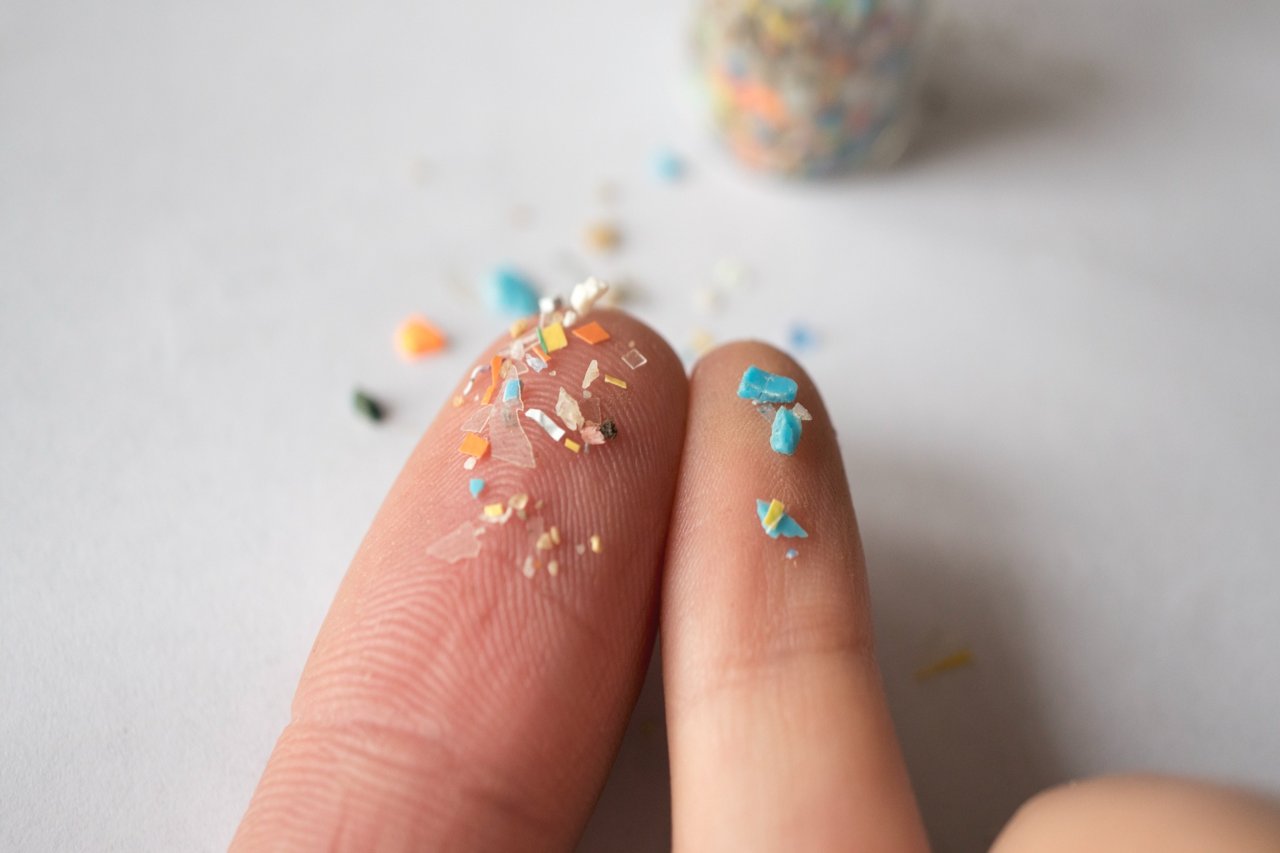
You are probably hearing the term “microplastics” increasingly in the news or on social media. These tiny particles seem to be everywhere, from the deepest oceans to the highest mountains. They have even been found in the human body.
But what exactly are microplastics, and what do they mean for our health? This article provides helpful information about these materials.
What Are Microplastics?
Microplastics are tiny bits of plastic less than 5 millimeters (~.19”) long. They come from many sources.
Some are created as product ingredients, such as microbeads in cosmetics and cleansers. However, most develop as larger plastic items break down over time. This includes everything from plastic bags and bottles to synthetic clothing and car tires. Even smaller particles, known as nanoplastics, are less than 1 micrometer in size and can make their way into cells.
How Do We Come Into Contact With Microplastics?
Microplastics are widespread in the environment, making complete avoidance challenging. We encounter them in three primary ways:
Ingestion
We consume microplastics through contaminated food and water. They have been found in seafood, table salt, and even bottled water.
Inhalation
We breathe in microplastic particles that are present in the air and in household dust. Exposure to airborne particles may raise questions about potential respiratory impact.
Skin Contact
Microplastics are less likely to penetrate the skin, but they’re present in many personal care products.
What Are the Health Concerns With Microplastics?
Research into how microplastics affect human health is a developing field. Many studies are underway to understand the long-term effects of these particles on the body.
Here is what current research has identified so far:
Widespread Presence
Microplastics have been detected in various parts of the human body, including the blood, lungs, liver, and even the placenta.
Potentially Harmful
Some early studies on animals and human cells have associated microplastics with potential health effects, including inflammation, cell changes, and impacts on the immune system. More research is needed to understand the implications for people.
Chemical Exposure
Many plastics contain chemicals such as BPA or PFAS. These substances can leach from microplastics into the environment and may affect the body’s hormonal systems.
More To Learn
Microplastics raise important questions about long-term health effects. Research continues to develop in this area.
Tips for Reducing Your Exposure to Microplastics
- Avoid single-use plastics.
- Use glass or stainless steel when possible.
- Avoid heating food in plastic containers.
- Choose natural fibers.
- Filter your tap water.
By understanding where microplastics exist and making conscious choices to avoid them, you can minimize the amount of these substances you ingest.
Talk With Your Baptist Health Provider About Microplastics
The issue of addressing microplastics in the environment and protecting ourselves from them is complex, and researchers are actively looking for answers.
If you don’t have a Baptist Health primary care provider, call 1.844.6BAPTIST or visit our provider directory. Download a patient packet to prepare for your next primary care appointment