Meet "Cicada": The New COVID Variant
This content was reviewed and approved by Shaina Doyen, PharmD, BCIDP.
You might have heard about a new COVID strain called Cicada. It has been found in over 30 states, so you might be wondering where it came from and what to do to keep yourself safe. As of now, the number of U.S. COVID cases is still on the low side. Yet, health officials are keeping a close watch.
What Is Cicada?
Cicada is a part of the Omicron COVID family, but it is easier to catch, even if you've had COVID before or have had vaccines for COVID.
New COVID Case Symptoms
Maybe you're asking yourself, "How do I know if I have it?" Good question. The new strain can be hard to figure out because the symptoms are a lot like the common cold or allergies.
Here are a few signs and symptoms:
- Cough
- Headache
- Body aches
- Fever
- Stuffy nose
- Feel tired
- Upset stomach
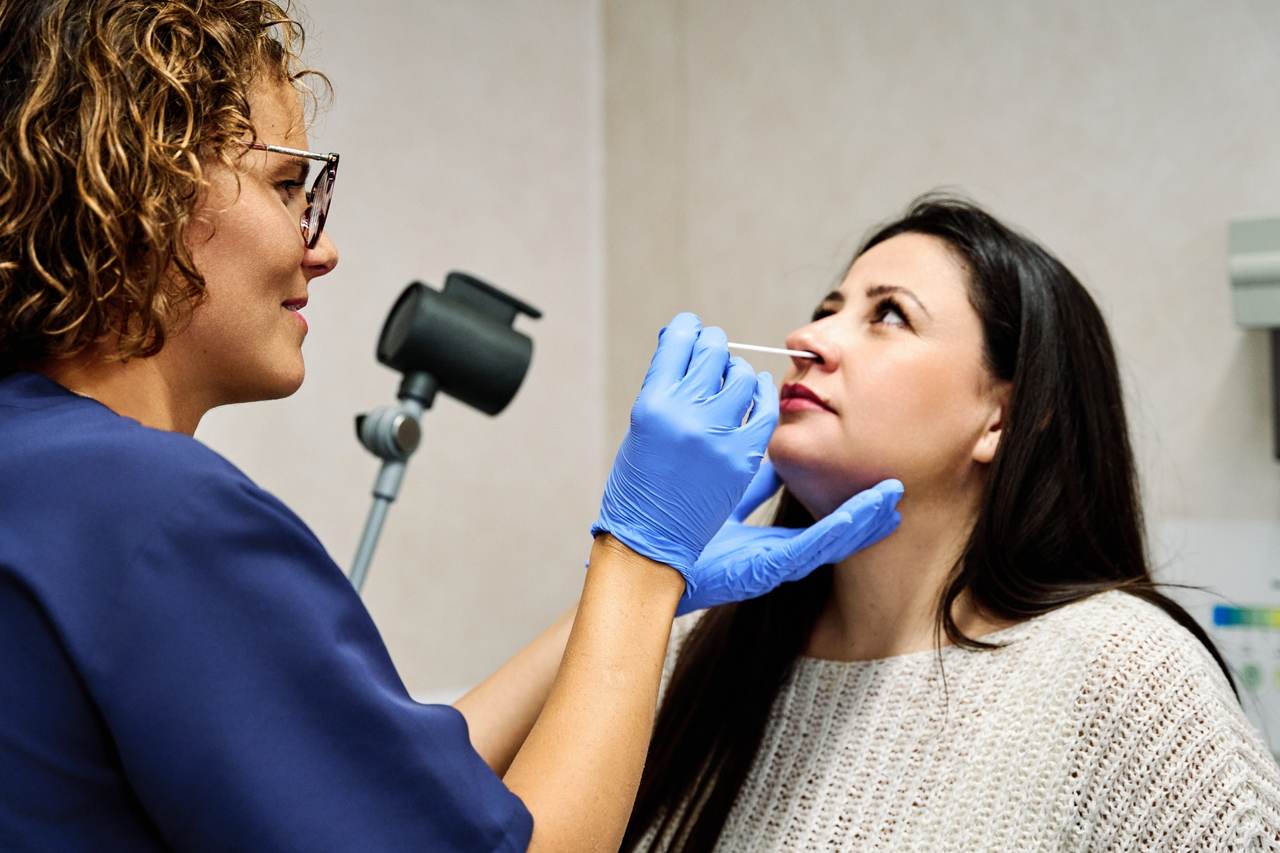
Your primary care provider will give you a test to know for sure or you can take a home test. Either way, the test will tell you if you are positive or negative for COVID. If you are negative but still feel bad, wait a few days, and take the test again.
Here's What You Can Do
The same things that help you avoid catching the flu will help you avoid the new strain of COVID. Yes, stay home if you are sick. Wash your hands often. Cover your mouth and nose when you cough and sneeze. Wear a mask when you are around other people, such as at the store, on a plane or at any public event.
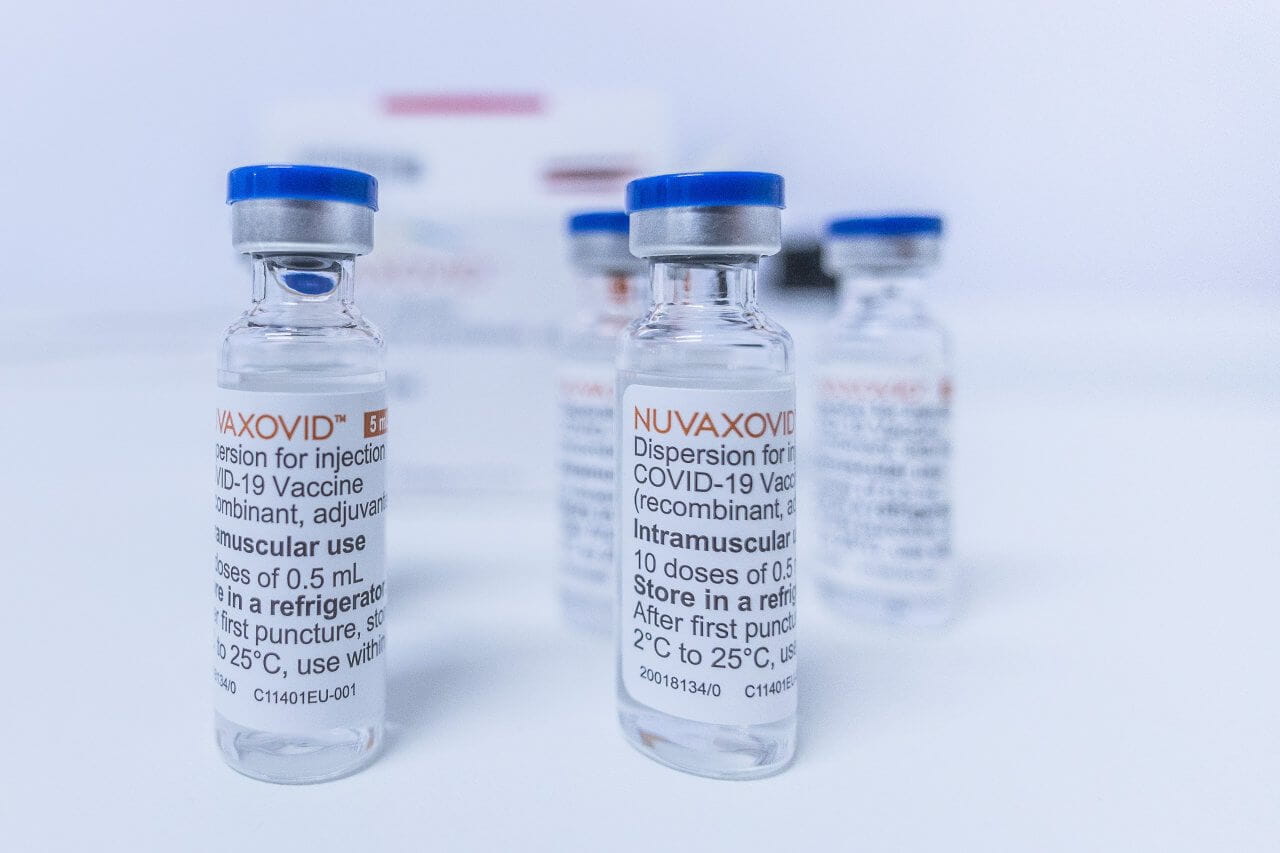
Talk to your doctor about getting an updated vaccine. A vaccine you got in the past may not fully protect you from this new strain.
You are in a higher risk group if you are older, pregnant or have another health issue. If you are at higher risk and test positive for COVID, your doctor may prescribe antiviral drugs. These often work best when you start them early.
When To Call Your Doctor
Most people feel better within 5-10 days. Call your doctor sooner if you have trouble breathing, chest pain or symptoms that keep getting worse.
If you have questions about these new COVID cases, please reach out to your Baptist Health primary care provider. If you do not have a provider, you can find one by visiting our provider directory.