Why Does Climbing Stairs Cause Pain in My Hip?
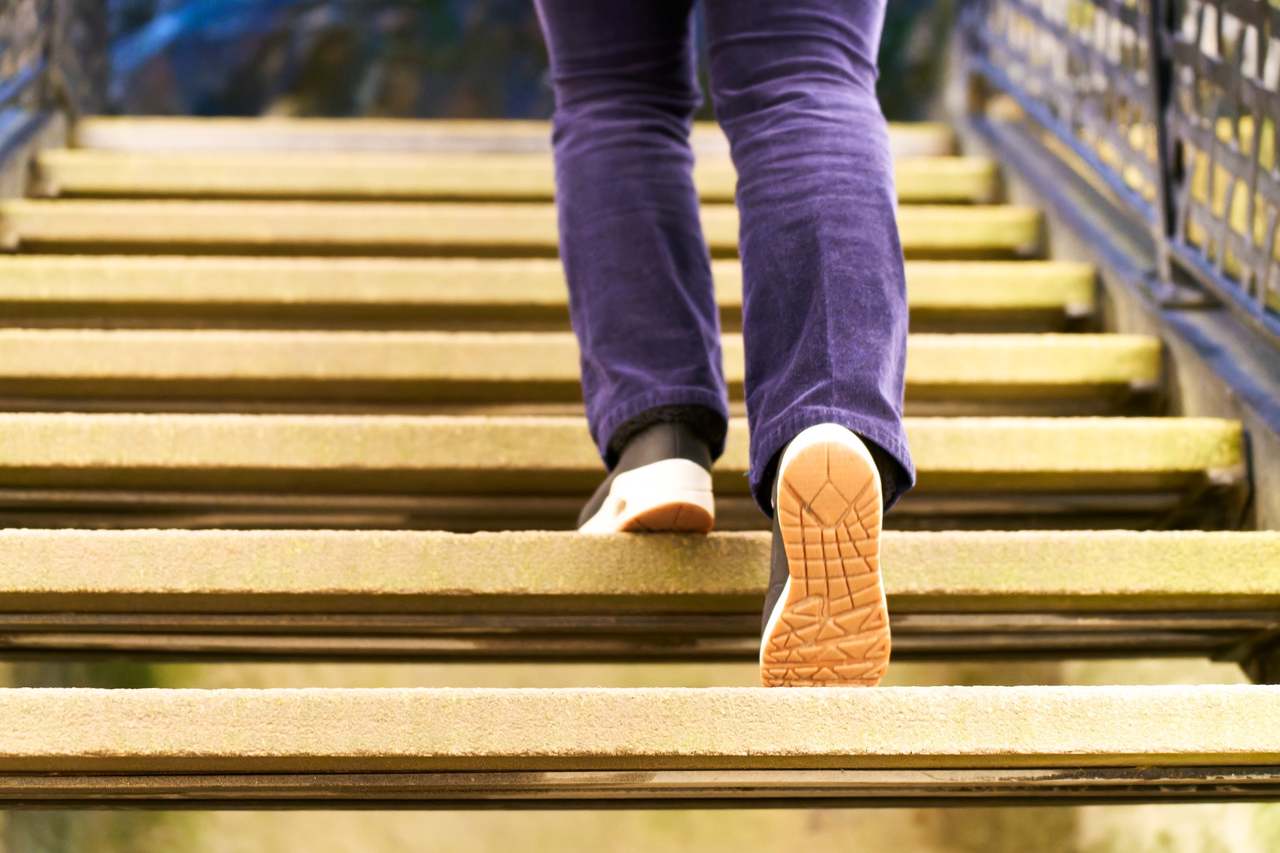
Kids can fly up a set of stairs like they are running downhill. Yet, the same stairs can cause pain in your hip. Why is that? You have no trouble walking on flat ground. But add an incline with layered steps and suddenly your hip hurts.
There is a good reason, several in fact, and most of them can be treated. This blog post will go over why you feel pain in your hip and when to reach out for help.
Why Stairs Are Tough on Your Hips
Climbing stairs can cause pain in your hip because of weight, lift and balance. Your hip joint carries 6 to 8 times your body weight during normal daily activities, even on a flat surface. When you walk up stairs, your hip flexors lift your leg, while your glutes push your body weight upward. At the same time, your pelvis must stay centered while you balance on either leg during the climb. Not to mention that going up stairs causes your hip to bend more than walking on level ground. The higher the step, the more your hips must work.
All that hip movement exposes any weakness in your hips.
Common Causes of Hip Pain on Stairs
Several common health conditions can be at the root of hip pain when climbing stairs.
Some of the common conditions:
- Hip bursitis. This is swelling of the fluid-filled sac on the outside of your hip, which is where you would likely feel pain. Hip bursitis is more common in older people, although anyone can have it. Women tend to develop it more than men.
- Hip osteoarthritis. Cartilage in your hip can wear down over time. You might feel a stiffness in your hip in the morning or after you've sat for a while. With osteoarthritis, you feel pain in your outer thighs, groin or buttocks.
- Hip impingement. Extra bone growth can make the ball and socket rub against each other and cause a lot of pain. You may hear or feel some clicking or catching in your hip. Most of the time, this condition happens with younger, active people.
- Hip flexor. If you suddenly start climbing stairs after resting, the muscles in the front of your hip might start to hurt. Usually, the pain eases with more rest and some light stretching.
Just because you feel pain in your hips doesn't mean you automatically have one of these hip conditions. And it doesn't mean that you need a total hip replacement.
When to Reach Out for Help
Not every twinge of hip pain means you should rush to the hospital. However, if your hip pain lasts longer than a week, starts after you fall or if you have trouble putting weight on your leg, then you probably do want to see your Baptist Health orthopedic provider.
If you don't have an orthopedic care provider, you can find one by using our provider directory.
.jpg?rev=7278cb68e8e740b0be6beb074ca5408b)