
Understanding and Managing Tennis Elbow in Pickleball Players
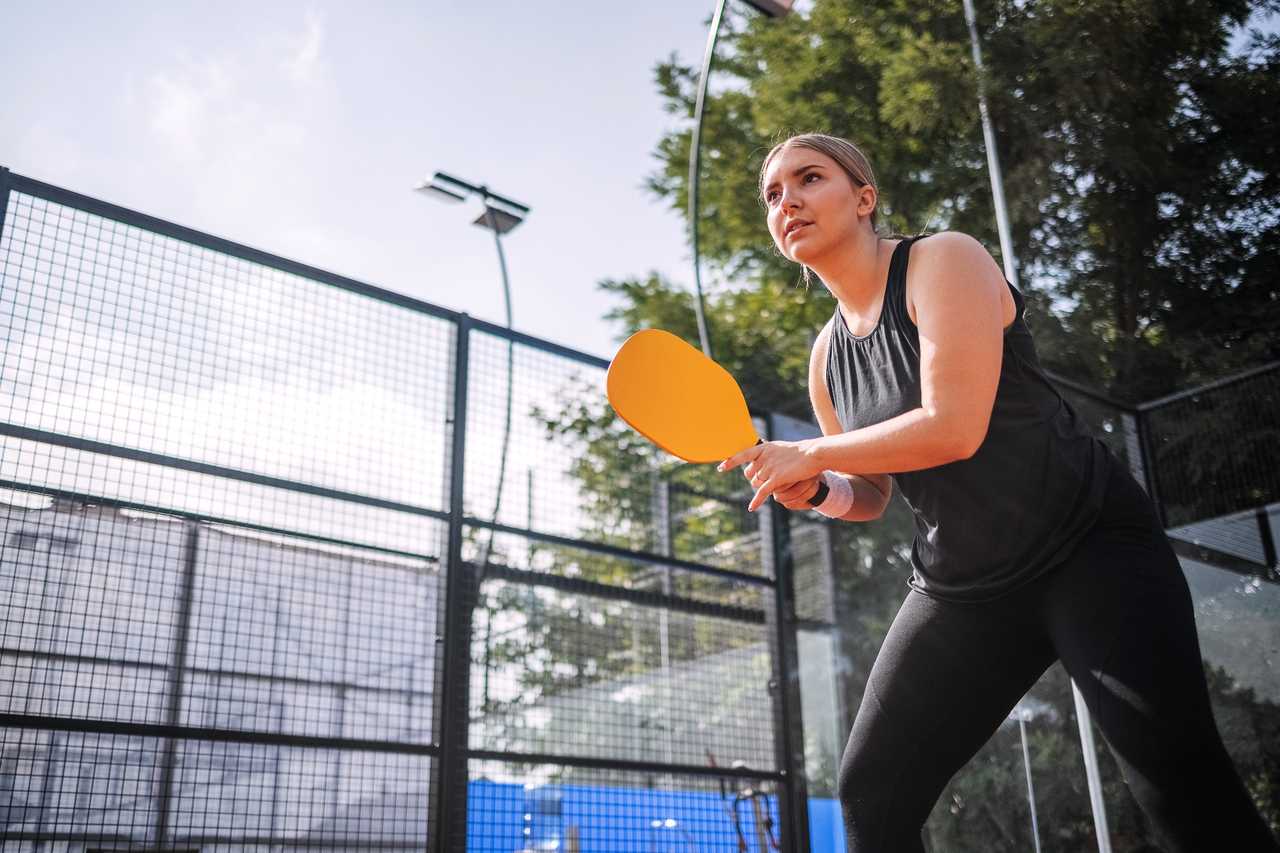
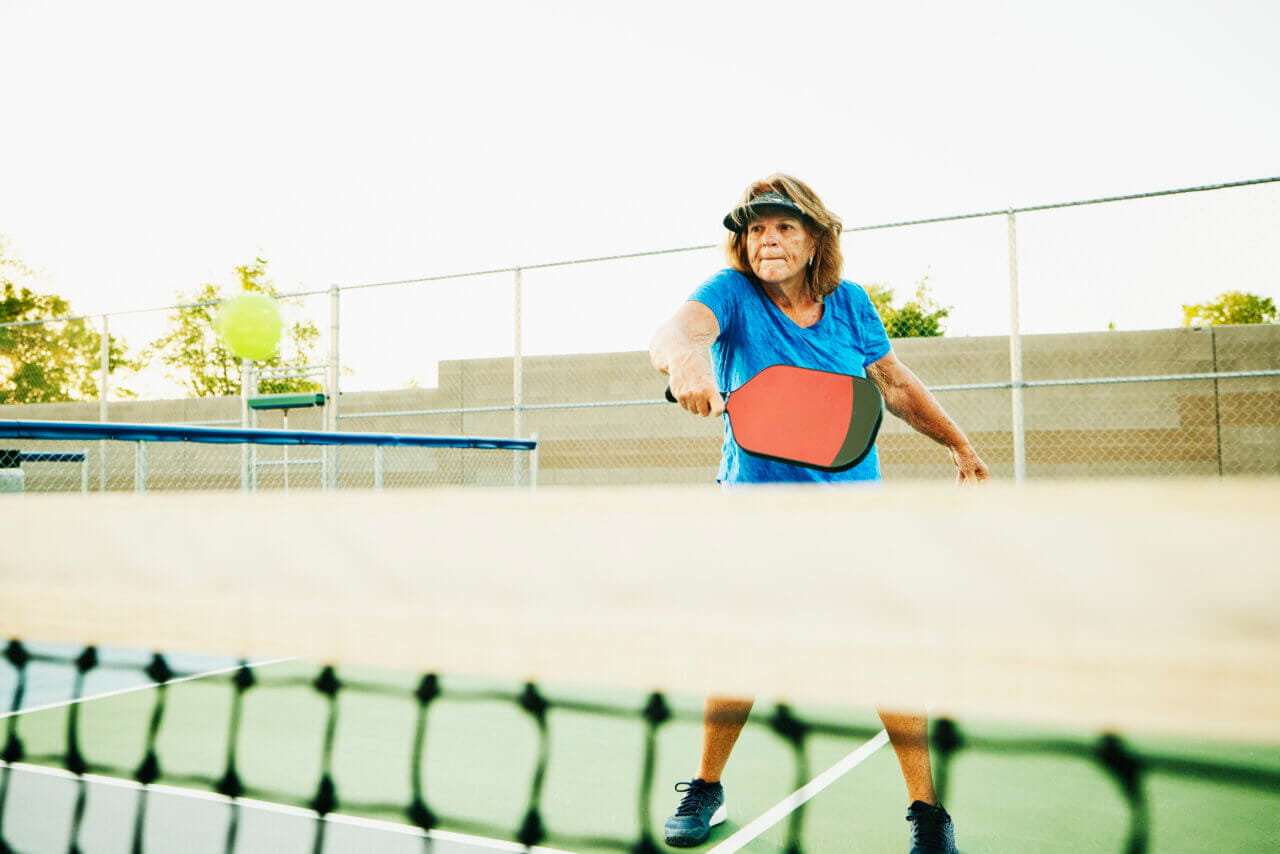
Lateral epicondylitis, traditionally known as tennis elbow, is also common in pickleball players. The pain and tenderness of what players in that sport call pickleball elbow can be significant.
This article describes the condition, explaining how it develops, the symptoms it causes, how to reduce your risk, and what to do if you develop pickleball elbow.
What Causes Pickleball Elbow?
Pickleball elbow is an overuse injury. Another example is rotator cuff injury. Overuse means it develops over time compared to an acute injury like a broken bone. Repetitive movements strain the forearm muscles and their attachment to a bony bump on the elbow's outer (lateral) side, called the lateral epicondyle.
The condition got its nicknames, tennis elbow and pickleball elbow, due to its prevalence in people who play those sports. However, you don't have to be a racquet sport enthusiast to develop lateral epicondylitis. Any repetitive use of the forearm muscles can potentially cause painful irritation of the lateral epicondyle.
Pickleball Elbow Symptoms
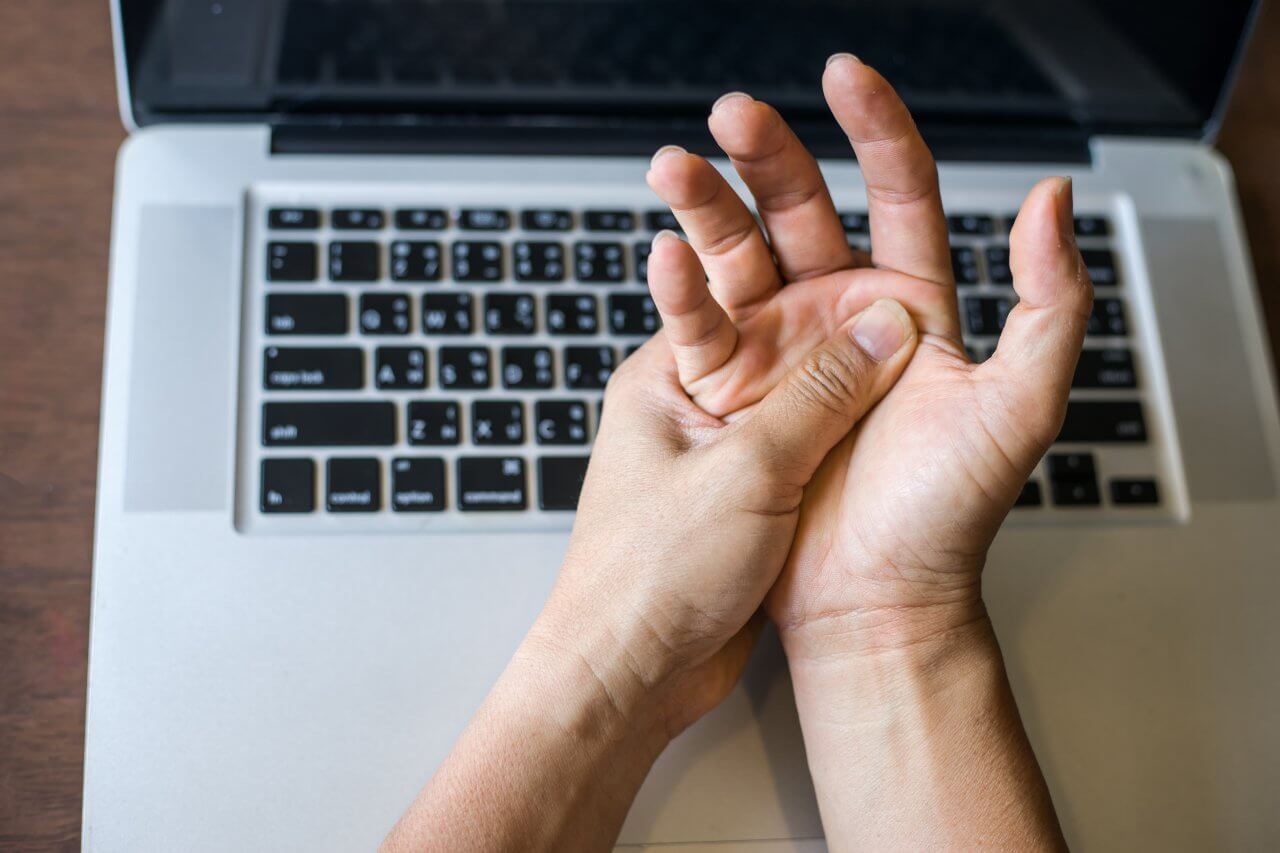
Pickleball elbow symptoms include pain or discomfort on the outer side of the elbow that can radiate into the forearm and wrist. The pain may be more intense when flexing or twisting the wrist. The condition also causes decreased grip strength. These symptoms can impact your pickleball play and daily life.
Treating Pickleball Elbow
Pickleball elbow typically responds well to home treatment, including:
Rest
It's important to stop playing temporarily if you develop pickleball elbow symptoms. Rest allows the inflammation to subside, which reduces the associated pain and discomfort.
Ice
Icing your elbow for 15 to 20 minutes at a time, several times daily, helps with recovery.
Pain Medication
Taking over-the-counter pain relievers as directed eases the pain of pickleball elbow.
Bracing
Wearing a forearm brace reduces the stress on the muscles and tendons of the elbow joint.
If home treatment doesn't start to reduce your symptoms in a few days to a week, you should contact your healthcare provider. They can perform a physical exam, order imaging tests if appropriate, and prescribe treatment, which can include:
Physical Therapy
Typically, the focus of physical therapy for pickleball elbow is correcting issues with form or technique that are straining the forearm muscles and other structures.
Shock Wave Therapy
This treatment uses sound waves to break down joint tissues and accelerate healing.
Steroid Injections
Injecting a steroid, like cortisone, into the elbow helps reduce inflammation and speed up healing.
People whose pickleball elbow doesn't respond to these treatments may be candidates for other therapies, such as platelet-rich plasma injections or dry needling. In some cases, surgery may be required.
How To Prevent Pickleball Elbow
You can reduce your risk of developing pickleball elbow by building your arm and wrist strength through focused exercises. You should also use proper shot technique, including maintaining a neutral wrist position when hitting the ball. In addition, it's helpful to learn good footwork and body positioning, which can reduce the force required to make effective shots.
Before games, you should do dynamic stretching (arm circles, trunk twists, etc.) and static stretches of the wrists, forearms and shoulders. Repeating those stretches after you play can help accelerate your recovery.
It's also crucial to use a pickleball paddle with the appropriate size and weight for your playing style and capabilities.
Get Help With Pickleball Elbow From Baptist Health
If rest, ice and over-the-counter pain medication don't relieve your pickleball elbow symptoms, we can help. Contact your Baptist Health orthopedic and sports care provider to schedule an appointment.
You can use our provider directory to find a provider if you don't have one.
.jpg?rev=7278cb68e8e740b0be6beb074ca5408b)