How to Wrap a Wrist for Wrist Pain
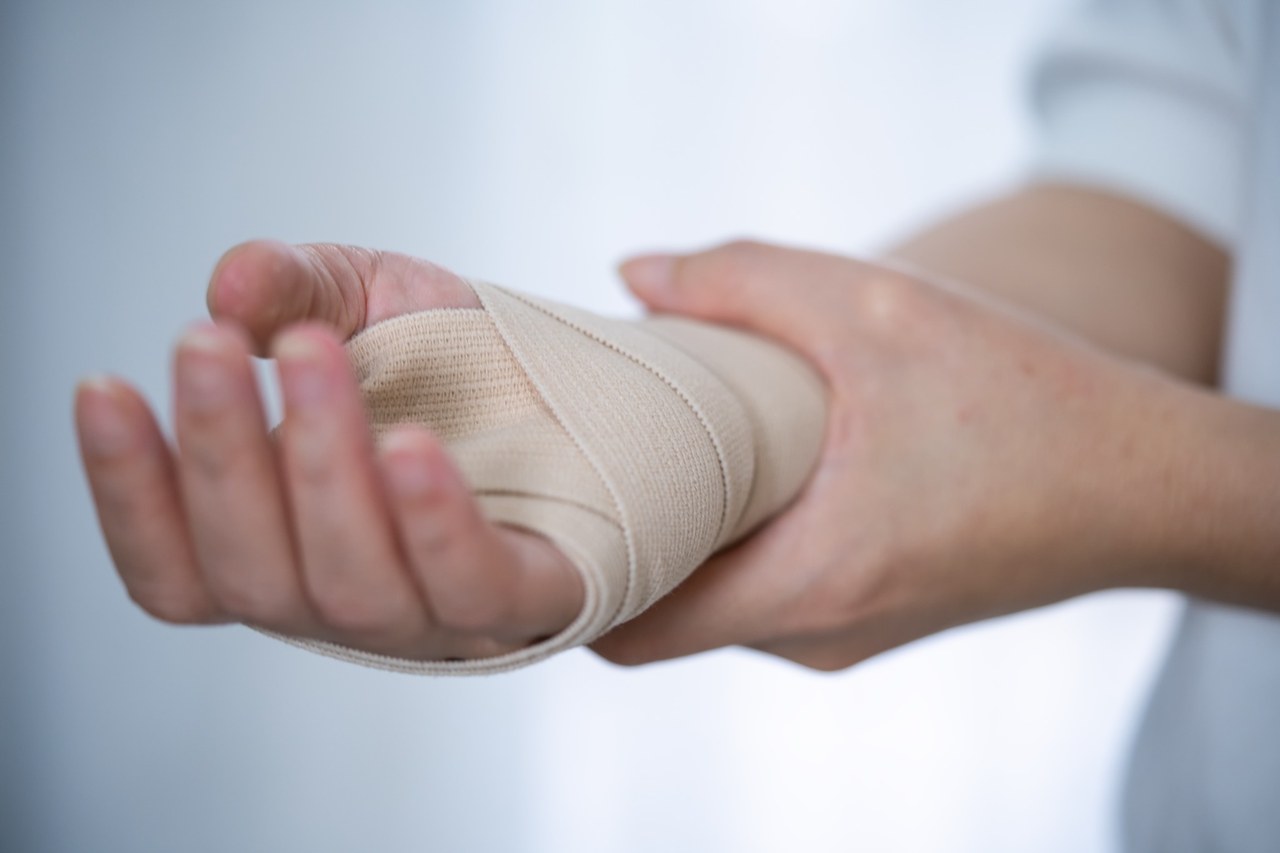
A hurt wrist from a fall, sports injury or repetitive use usually means compression and bandages. Getting the wrist wrapping right is important. Too tight, and you could cause more pain or make your wrist injury worse. Too loose, and you don't get the benefits of compression.
Why Do You Need to Wrap Your Wrist?
You might wrap your wrist for mild sprains or repeated use, such as working out or playing tennis. If you fall and land on your wrist, wrapping can help with swelling and pain. Wrapping your wrist can also be a part of treating wrist tendinitis or arthritis.
How to Wrap Your Wrist: Step By Step
Before you start, gather the materials you will need. Find an elastic bandage, sometimes called an ACE bandage. You'll also want clips or a pin to hold the bandage together. Once you have the materials, follow the instructions below:
- Clean and dry your wrist.
- Wrap the bandage around the palm of your hand. The bandage should be wrapped right below your knuckles.
- Loop the bandage between your thumb and index finger.
- Wrap the bandage around your wrist.
- Continue wrapping toward your forearm, using a figure eight pattern.
- Secure the bandage with the clip or pin.
Bonus Tips for Wrist Wraps
For extra support, wrap more than once. If wrapping your wrist by yourself is too hard, ask someone to help you. This can help balance the compression all the way around your wrist and forearm.
If your fingers turn a different color or start to tingle or go numb, the wrap is probably too tight. Compression should feel tight, but it should not make wrist pain worse. If any of these things happen, unwrap your wrist and try again.
It's often recommended to unwrap your wrist before you go to sleep at night. If you are not sure what you should do, reach out to your orthopedic care provider.
When To Reach Out for Help
See your Baptist Health orthopedic care provider if your wrist pain or other symptoms get worse, don't go away or if you cannot move your wrist. Any time you feel wrist pain after a hard fall, check with your provider to make sure there is not a fracture.
If you do not have a Baptist Health orthopedic provider, you can find one by visiting our provider directory.
.jpg?rev=7278cb68e8e740b0be6beb074ca5408b)