Maintaining Flexibility and Joint Health for Optimal Pickleball Performance

You get to your pickleball match and can't wait to start playing. So, you grab your paddle and head onto the court. But your opponents aren't there. They're still on the sideline doing something that will reduce their injury risk and give them a competitive advantage: they're warming up.
Why is it so important? This article explains why experienced picklers always take time to prepare.
Why Warm Up Before Playing Pickleball?
Warming up helps you in a few ways. First, it raises your heart and breathing rates a little. This allows more oxygen to reach your muscles.
It also loosens your muscles, making it easier for you to move around the court. You can reach the pickleball and hit good returns.
Finally, warming up keeps your joints ready and your mind focused. You're less likely to get an injury on the court such as a shoulder or arm fracture.
Why Pay Attention to Flexibility and Joint Health on Your Non-Playing Days?
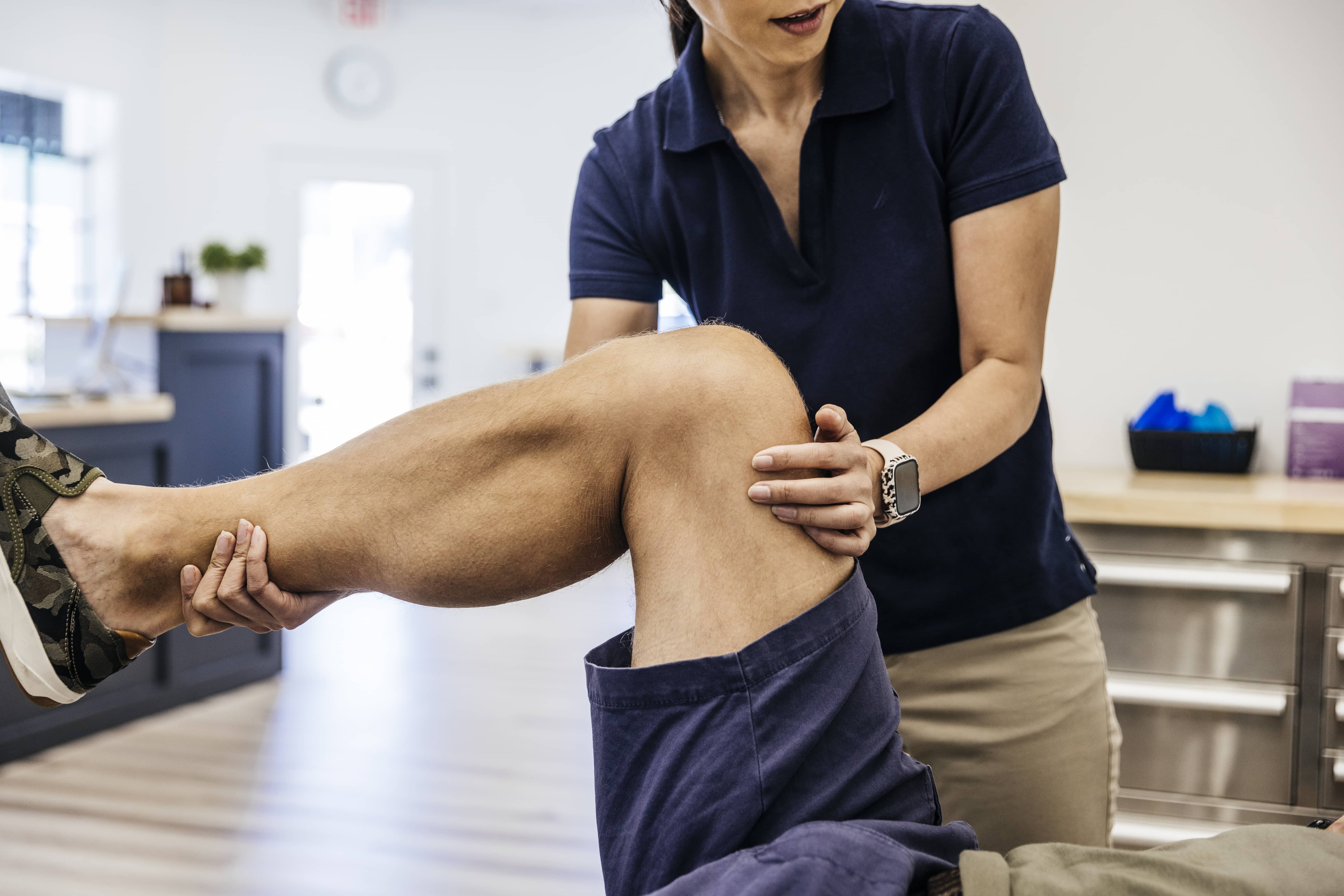
Warming up doesn't take much time, but it does take steady effort. Stretching, even on rest days, lengthens your muscles. It also helps keep your muscles well-lubricated. This is important for everyone, especially people with health issues like osteoarthritis.
Creating a Routine To Optimize Your Pickleball Performance
Everyone is unique. So, it's important to try different practices to find what works for you.
Focus on stretches that match moves in pickleball. For example, players often step forward to reach low balls, so lunges can help. Being able to react fast is also helpful. Trunk twists can help prepare you. Whatever you choose to do, do them often. Just 10 minutes a day can boost pickleball performance. Not to mention how it helps you avoid injuries like a MCL tear.
Get Help With Pickleball-Related Injuries From Baptist Health
Stretching can reduce your pickleball injury risk but can't get rid of it. If you suffer a pickleball injury that doesn't respond to home treatment, we're here for you.
Contact your Baptist Health orthopedic care provider. If you don't have a provider, you can find one with our provider directory.
.jpg?rev=7278cb68e8e740b0be6beb074ca5408b)