Bone Health and Pickleball: Reducing the Risk of Fractures
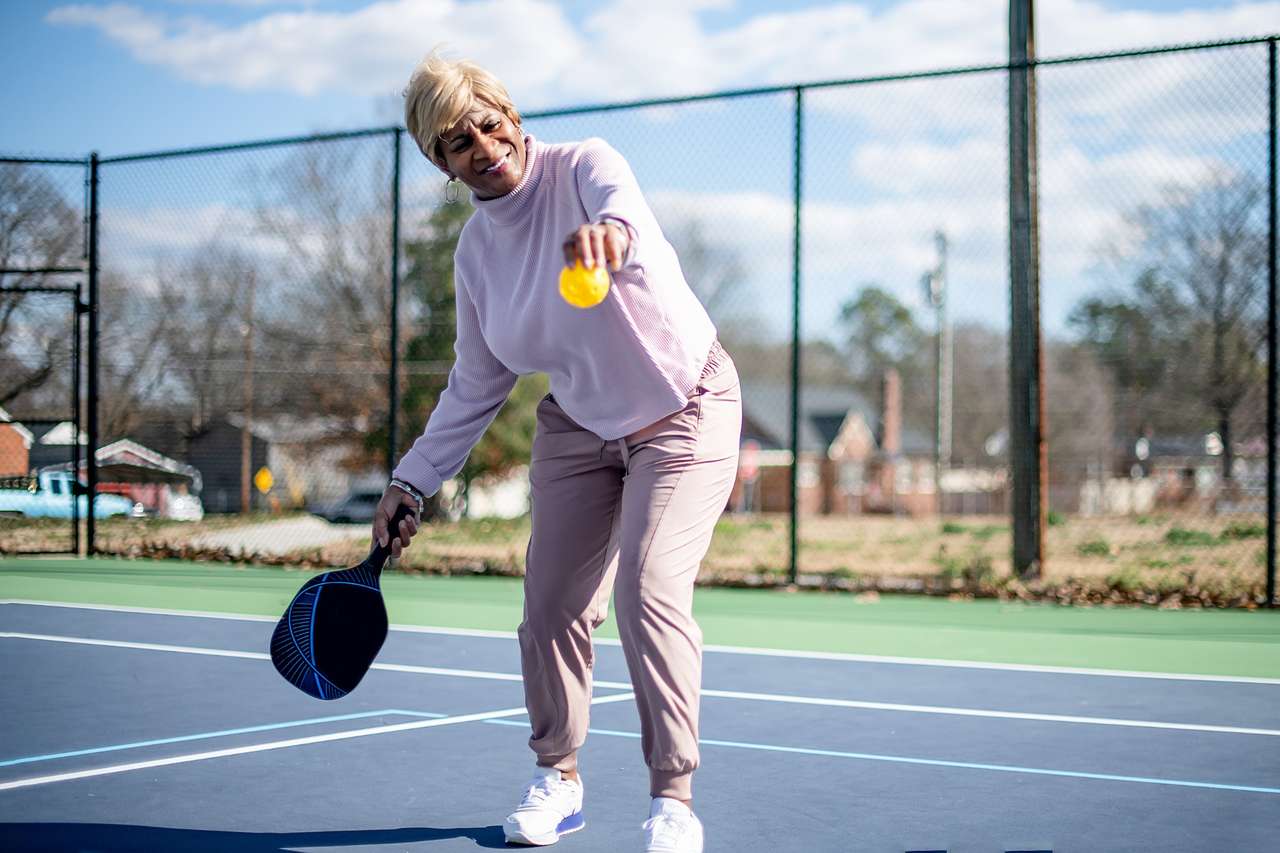
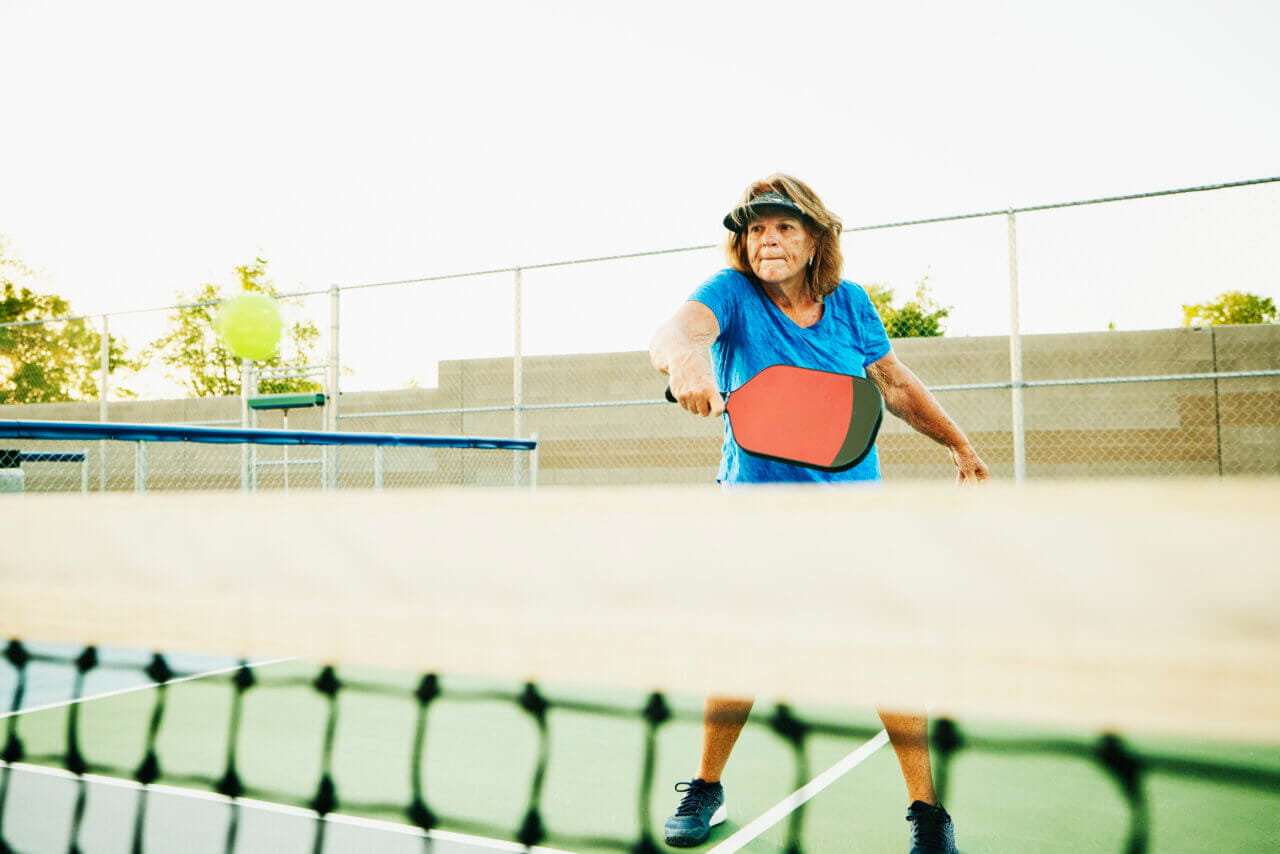
Pickleball is a low-impact, non-contact sport. Consequently, the risk of injuries is lower than in many other games. Still, lower risk doesn't mean zero risk. Players experience various injuries, including broken bones from falling, rolling an ankle, colliding with partners and other causes.
Fortunately, you can take steps to lower your risk of a bone fracture while playing pickleball. This article explains how to protect yourself on the court to avoid being sidelined by a painful injury.
Good News: Pickleball Improves Bone Health!
Playing pickleball regularly improves bone health and makes bones less susceptible to fractures. Weight-bearing activities stimulate bone tissue, causing it to become stronger and more dense. That density is a key factor in avoiding fractures.
Focusing on bone health is increasingly important as we get older since age-related bone loss can take a toll. People who establish a healthy exercise regimen reduce their risk of developing osteoporosis, a condition characterized by weakened bones prone to fractures.
So, meeting friends regularly for some spirited pickleball competition is good for your physical health. The camaraderie is also great for your mental and emotional well-being.
Tips for Reducing Your Fracture Risk
Here are some actions that will help you avoid broken bones on the pickleball court:
Get a Bone Health Assessment.
Older adults should get periodic osteoporosis screenings and discuss bone health with their healthcare provider to ensure playing sports is safe.
Wear Appropriate Shoes.
Falling is one of the most common causes of broken bones. Court shoes provide stability and traction, which can help you maintain your balance. This helps you prevent injuries such as femur fractures.
Warm Up Before and Cool Down After Play.
Stretching and doing a little light cardio before playing pickleball prepares your muscles and joints for activity, improving your flexibility and reducing your risk of falling. Cooling down with some post-game stretching aids in recovery.
Do Strength Training and Agility Exercises.
What you do away from the pickleball court can help protect you when you're on it. For example, strength training, especially in your core and legs, can help improve your stability. Similarly, exercises focused on balance and agility can reduce your fall risk.
Gradually Increase Your Frequency, Duration and Intensity.
Giving your body time to learn and understand pickleball skills, techniques and movements helps you perform them more fluidly and reduces the likelihood of injuries.
Know Your Limitations.
Pushing through fatigue or ignoring pain or discomfort increases your risk of a fall or other incident that can break a bone or cause some other injury. There's no shame in saying, "This has been fun, but I'm done for today." It's much better to willingly retire to the sideline than be forced there by an injury. The type of pain can be arm pain, hand pain, shoulder pain, or any kind of pain.
Get Guidance on Bone Health
If you have questions about maintaining good bone health and avoiding fractures on (and off) the pickleball court, your Baptist Health orthopedic and sports care provider can answer them. Don't have a provider? You can find one in our online provider directory.