Why Do Newborns Sleep So Much?
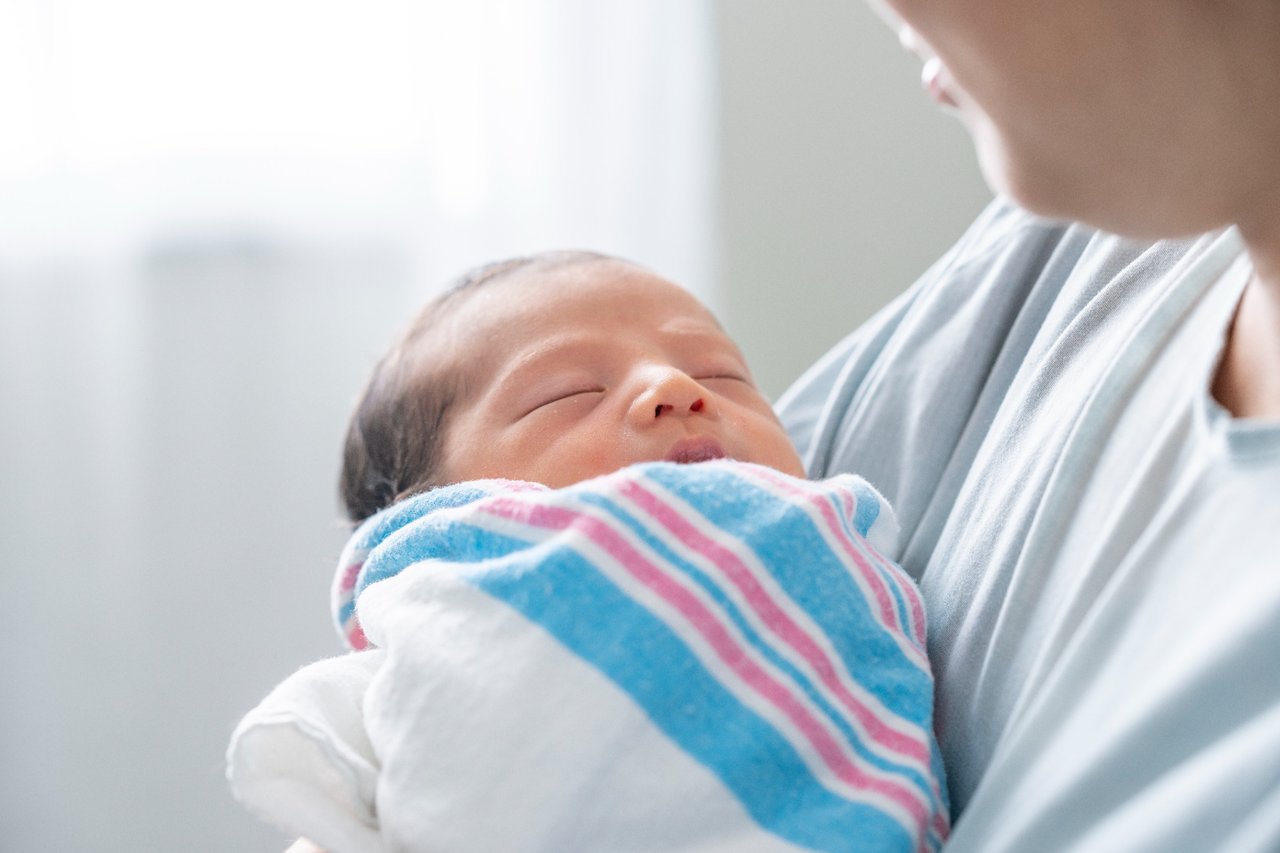
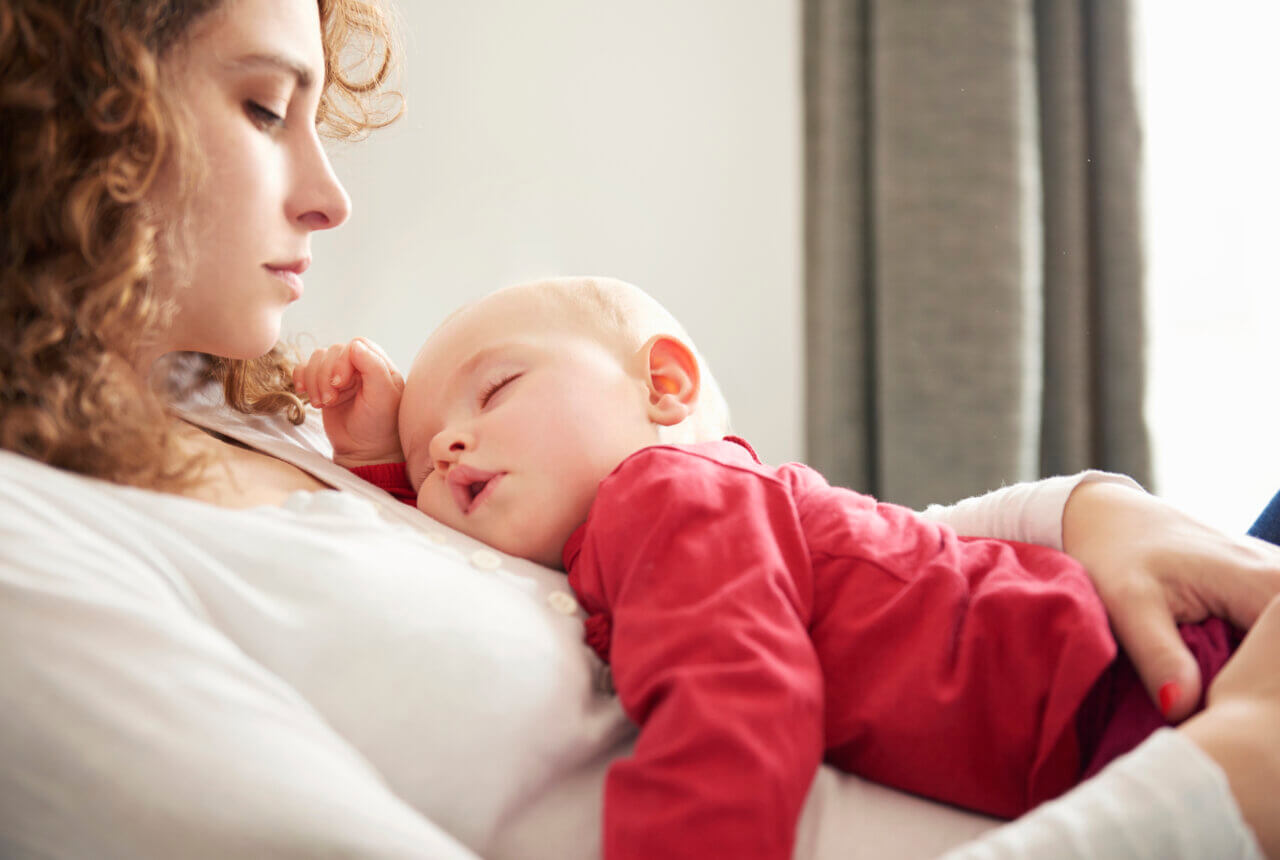
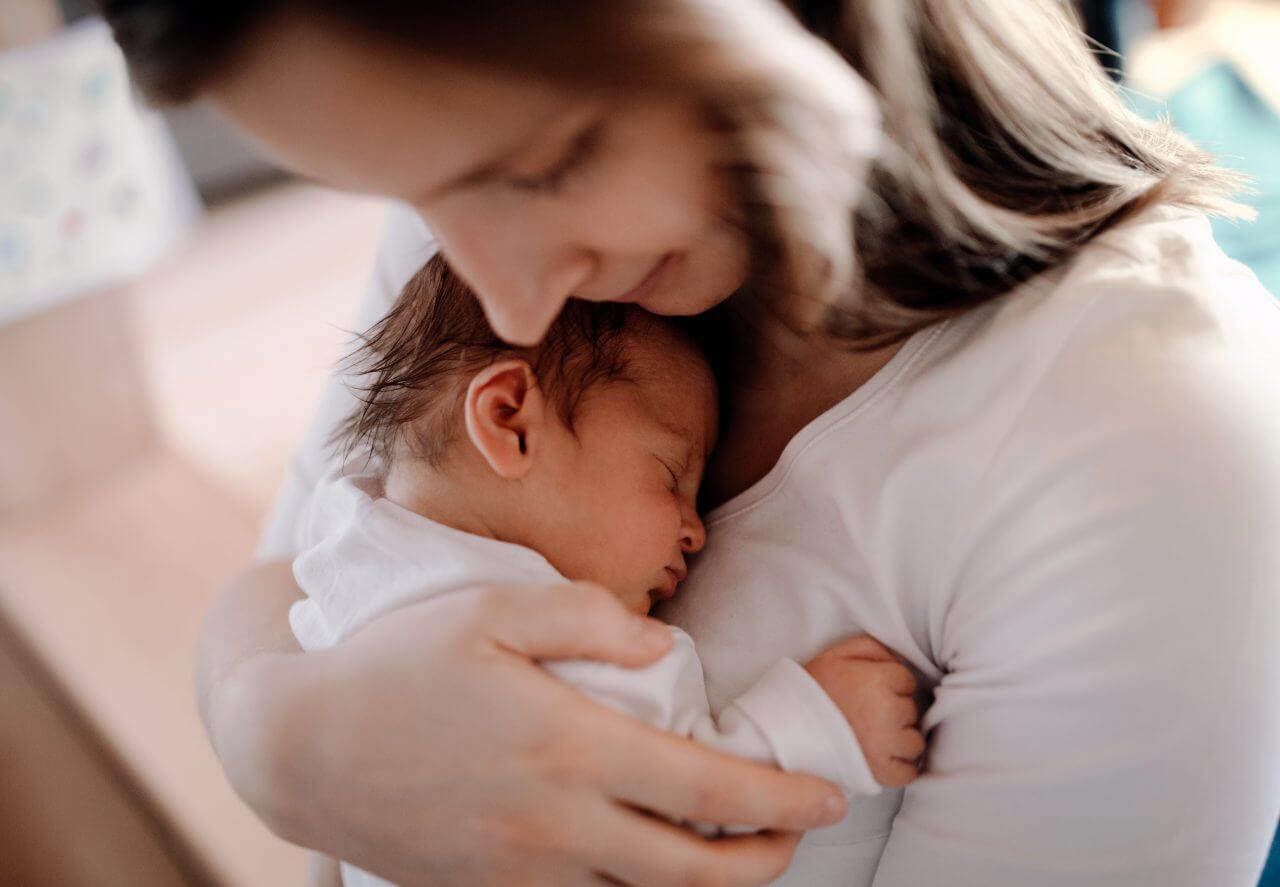
If you have just brought a new bundle of joy home, you might be surprised by how much time they spend with their eyes closed. While you are likely navigating a few sleepless nights yourself, your baby seems to be in a near-constant state of slumber.
It is perfectly normal for parents to wonder if all that napping is typical. The good news is that for a newborn, sleep is a full-time job that supports their rapid growth and development.
The Science of Newborn Sleep
Newborns typically sleep between 16 and 17 hours every 24 hours. However, this sleep does not happen all at once. Because babies have very small stomachs, they need to wake up every few hours for feedings. This creates a cycle of waking, eating, and drifting back to sleep that continues around the clock.
In the first few weeks, you may notice that your baby does not yet have a sense of day and night. It takes time for their internal clocks to develop. During these early months, sleep is divided into two main types:
- REM (Rapid Eye Movement) Sleep: This is a light sleep where dreaming occurs. Newborns spend about half of their sleep time in REM, which is thought to be essential for brain development.
- Non-REM Sleep: This consists of deeper stages of rest where the baby is very still.
Why Sleep Is So Important
Your baby is doing a lot while they snooze. Sleep is the primary time when the brain processes information and builds the neural pathways that will eventually lead to milestones like smiling, crawling, and talking.
Physical growth also happens during these quiet hours. The body produces growth hormones primarily during sleep, helping your baby gain weight and develop healthy tissues. Because this process requires so much energy, sleep is the natural way for their bodies to recharge.
If your baby was born early, they may require even more rest as they continue to develop outside the womb. In some cases, babies who need extra support may receive specialized care in a Neonatal Intensive Care Unit (NICU), where sleep is prioritized as a key part of their recovery and growth.
Creating a Safe Sleep Environment
While newborns sleep a lot, where and how they sleep is vital for their safety. Following the "ABCs" of safe sleep can give you peace of mind:
- A is for Alone: Your baby should sleep in their own crib or bassinet without blankets, pillows, or toys.
- B is for Back: Always place your baby on their back for every sleep, including naps.
- C is for Crib: Use a firm, flat sleep surface with a tight-fitting sheet.
Establishing a routine early on can help. Many parents find that postpartum support services are helpful when learning how to navigate these new schedules and safety guidelines. As your baby grows, their sleep patterns will shift, and they will gradually spend more time alert and interacting with you.
When to Talk to a Provider
While heavy sleep is expected, every baby is unique. Reach out to your healthcare team if you have concerns about your baby's sleep patterns. If your newborn is difficult to wake for feedings, seems unusually lethargic when awake, or has trouble breathing, contact your Baptist Health pediatrician or primary care provider immediately.
If you do not have a Baptist Health pediatrician, you can find one on our provider directory.