
Does a CT Scan Show Internal Bleeding?
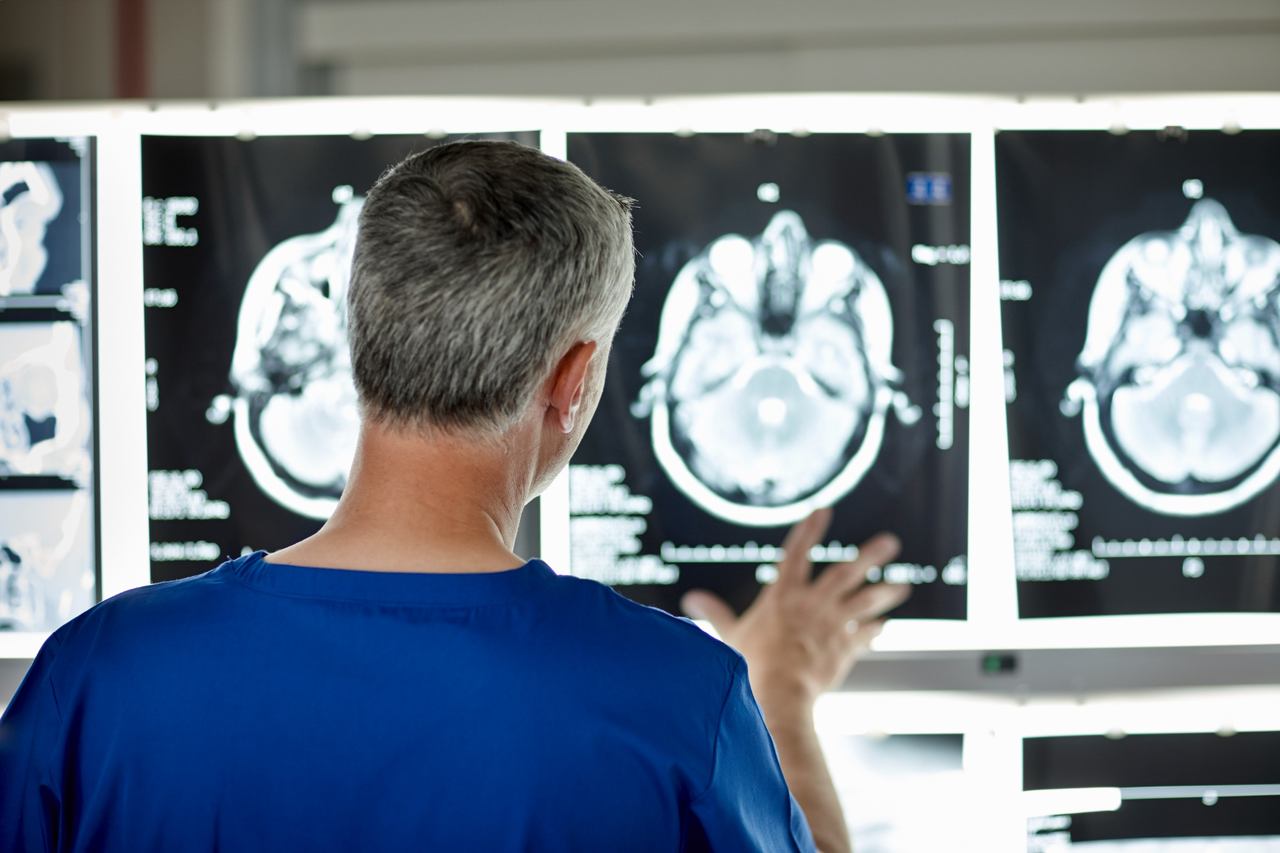
If you or a loved one has suffered a traumatic injury, you might wonder if a CT scan can detect serious issues like internal bleeding. In many cases, it can. CT scans are commonly used to help clinicians quickly identify internal bleeding, which can be critical in emergency situations.
If you suspect internal bleeding after a major injury, seek emergency care right away.
While finding internal bleeding is a key use for this technology, a provider may recommend a scan for other reasons, too. Understanding what this test is and how it works can help you feel more prepared if you ever need one.
What Is a CT Scan?
A computed tomography (CT) scan, sometimes called a CAT scan, is a noninvasive diagnostic test. It uses X-rays and computer technology to create detailed images of the desired body area. While a standard X-ray produces a flat, two-dimensional image, a CT scan captures images from multiple angles. A computer then processes these X-rays to create cross-sectional images, often called “slices,” of your bones, blood vessels and soft tissues.
Think of it like looking at a loaf of bread. A standard X-ray looks at the whole loaf from the outside, but a CT scan lets your provider examine each individual slice to see what’s happening inside. These slices can even be combined to create a 3D image of your internal structures.
Why You Might Need a Scan
Internal bleeding is a major reason CT scans are used, especially after trauma like a car accident or a fall. However, providers also use them to help diagnose a wide variety of conditions. Because the abdomen contains organs from the digestive, urinary and endocrine systems, a CT scan of the abdomen is particularly common.
Your provider might order a scan to look for:
- Kidney stones or bladder stones
- Appendicitis or diverticulitis
- Tumors or lesions
- Infections or abscesses
- Inflammatory bowel disease
- Unexplained abdominal pain
- Blood clots in vessels
- Spinal cord injuries
- Broken bones
- Pneumonia or emphysema
- Heart disease
In addition to diagnosing these issues, scans are often used to guide biopsies, plan surgeries or monitor how a tumor is responding to treatment. For women, the scan can also help evaluate reproductive organs and detect cysts or masses.
What To Expect During the Procedure
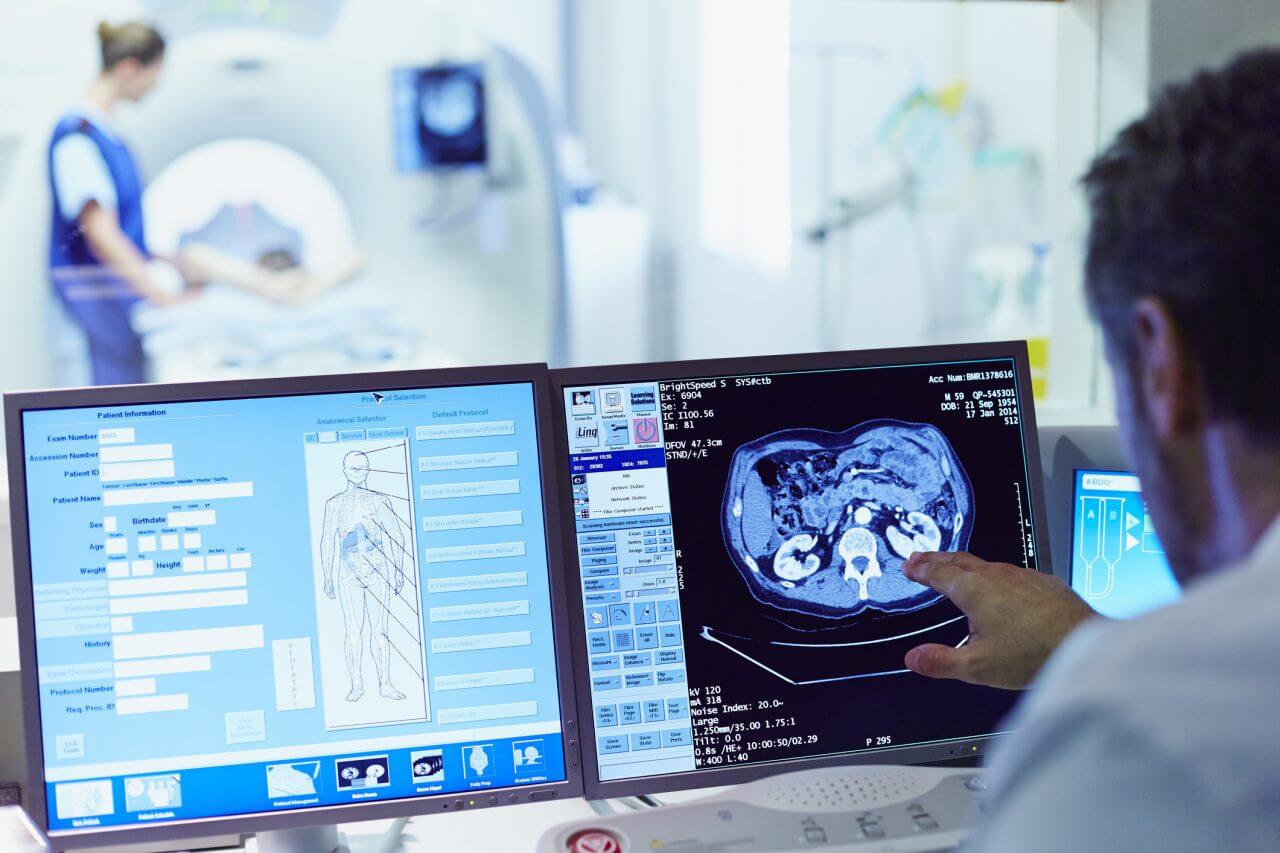
The machine itself typically looks like a large doughnut with a short tunnel in the center. You will lie on a narrow table that slides into this tunnel. The technologist will be in a separate room but will be able to see and hear you the entire time.
As the scanner rotates around you, you might hear clicking, whirring or buzzing sounds. It’s important to remain very still, as movement can blur the images. You may even be asked to hold your breath for short periods.
In some cases, an exam will use a contrast material, sometimes called dye, to make organs and blood vessels show up more clearly. This might be given as an IV infusion or as an injection. If you receive the contrast via IV, you might feel a sudden flushing sensation or a warm feeling. Some people also experience a metallic taste in their mouth. These sensations are normal and usually pass quickly.
Risks and Considerations
CT scans use ionizing radiation. While the amount from a single exam is generally low, any exposure carries some level of risk. For many patients, the benefit of a timely and accurate diagnosis outweighs the potential risk, especially when the scan is medically necessary.
If you’re pregnant or think you might be pregnant, you should always inform your provider. Providers generally avoid abdominal CT scans during pregnancy unless they’re needed.
If you have questions about CT scans, your Baptist Health Primary Care provider can help you understand whether imaging is appropriate for your situation. If you don’t have a Baptist Health primary care provider, call 1.844.6BAPTIST or visit our provider directory. Download a patient packet to prepare for your next primary care appointment.
.jpg?rev=fa212a77b06c427682309ed2c9c336c6)