Can You Have Too Many CT Scans?
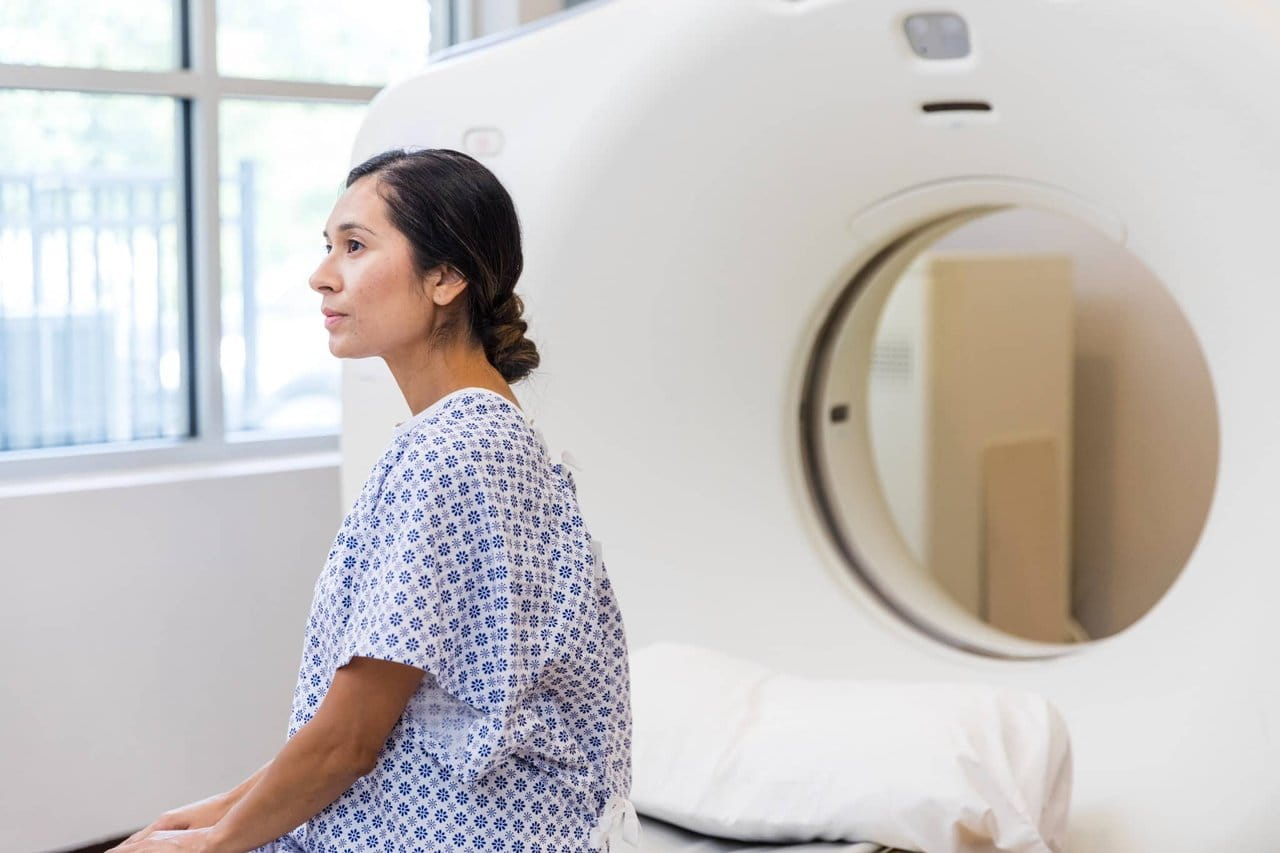
Medical imaging has revolutionized how we identify and treat health conditions. Among these tools, computed tomography (CT) scans stand out for their ability to create detailed cross-sectional images of the body. Whether you’re dealing with a sudden injury or managing a chronic condition, you may find yourself wondering if multiple scans could be harmful. It’s a valid question that many patients ask their primary care provider.
The short answer: It comes down to balancing potential risks with the clear benefits of diagnostic imaging. While exposure to radiation carries potential risks, these exams are generally considered safe when they’re medically necessary and conducted properly.
Understanding Ionizing Radiation
CT scans use ionizing radiation. This is the same type of energy used in standard X-rays, although CT scans generally use a higher amount to produce their detailed 3D images. We’re all exposed to small amounts of background radiation every day from the earth and space, but medical imaging adds to that total.
The main risk from excessive exposure to ionizing radiation is that it can alter your cells. Specifically, radiation can damage DNA. In theory, if this damage accumulates over time from repeated exposures, it could slightly increase the risk of developing cancer later in life. However, this risk is generally considered very low for any single individual.
The Balance of Risk and Benefit
It’s easy to focus on the word "radiation" and feel anxious, but it’s crucial to look at the bigger picture. In the medical community, the guiding principle is that a scan is acceptable when the benefit of the information it provides outweighs the small potential risk.
Experts emphasize that scans should be "justified." This means your provider has determined that the exam is the best way to diagnose a serious condition or guide an essential treatment. For example, if a CT scan can detect early signs of lung cancer or identify internal bleeding after a car accident, the immediate benefit to your health is far greater than the theoretical risk of radiation exposure.
Strict Safety Measures With Imaging Scans
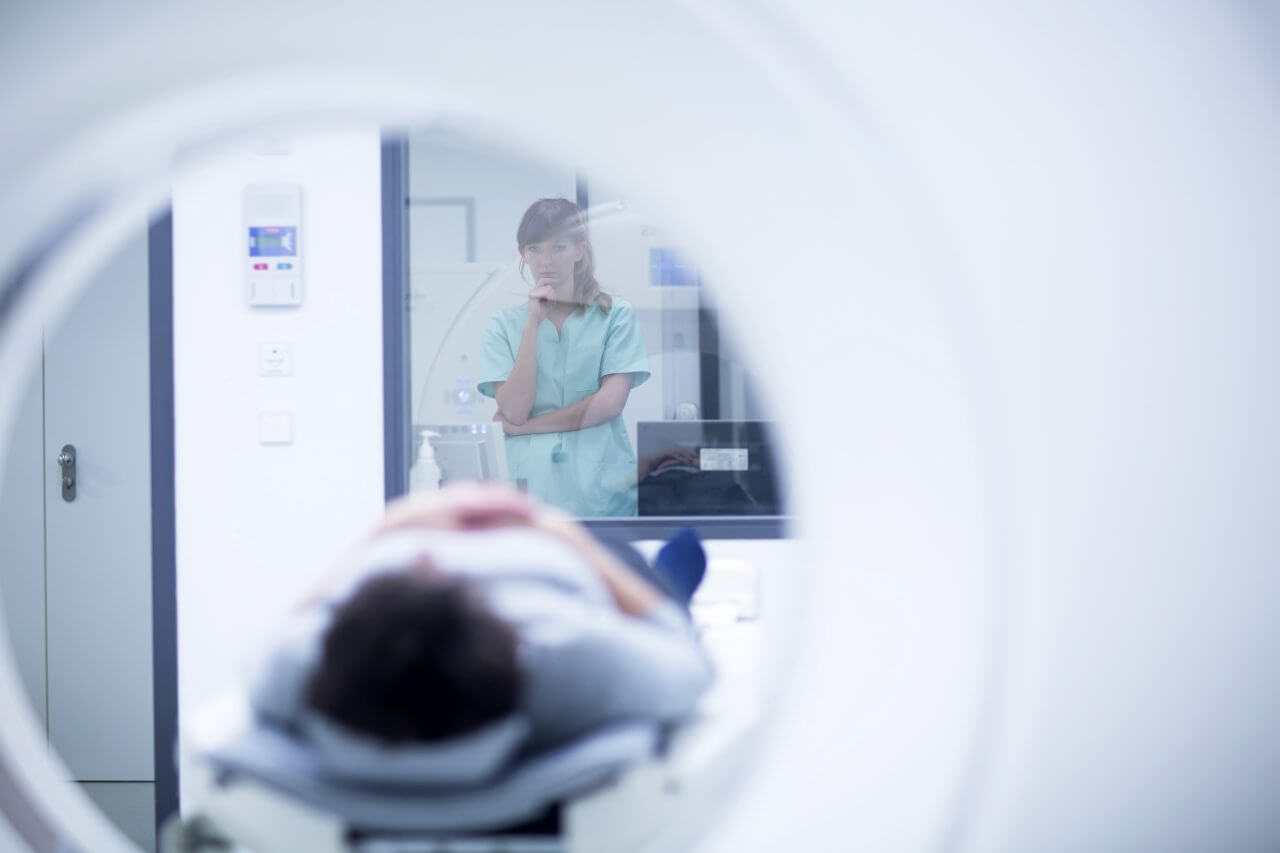
Healthcare providers follow strict protocols to minimize your exposure to radiation. Modern equipment can be adjusted based on your body size and the specific area being imaged to ensure you receive no more radiation than necessary.
Children are more sensitive to radiation than adults, so providers take extra care to adjust doses for pediatric patients. Shielding, such as lead aprons, may also be used to protect parts of the body that are not being imaged.
Common Reasons for CT Scans
Your provider might recommend a CT scan to help with various medical needs, including:
- Pinpointing the location of tumors.
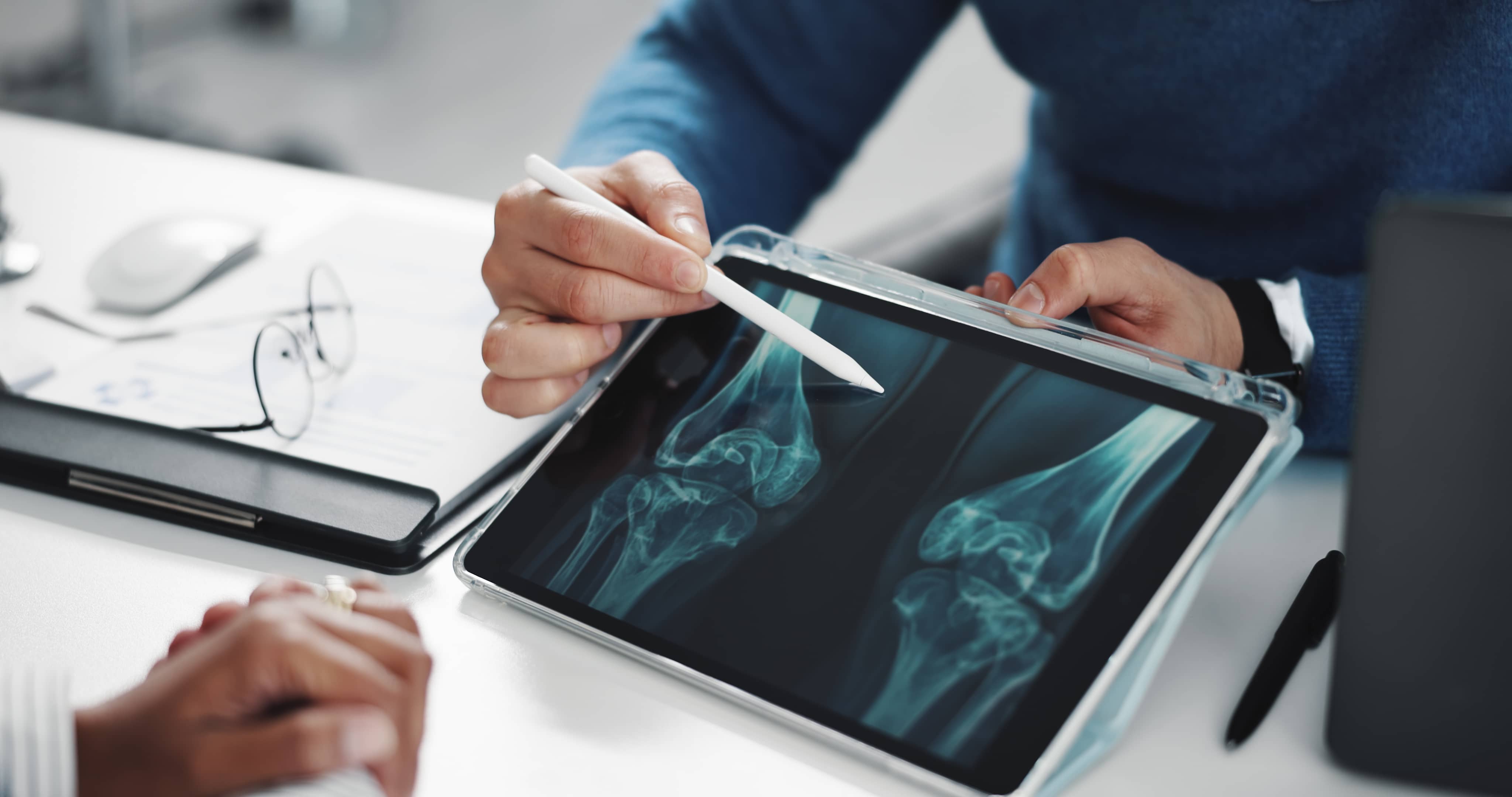
- Diagnosing muscle and bone disorders.
- Monitoring the effectiveness of treatments.
- Detecting internal injuries and bleeding.
If you’re undergoing a scan to investigate lung nodules, for instance, precise imaging helps your care team determine whether treatment is needed or if simple monitoring is sufficient.
Communicating With Your Care Team
You should always feel empowered to discuss safety concerns with your care team. If your provider recommends a scan, you can ask how the results will change your treatment plan. Of course, in emergency situations, when providers need fast answers about a serious problem, the speed and accuracy of a CT scan can be vital.
If you’re worried about the number of scans you have received, keep a record of your imaging history. Share this with your provider to avoid unnecessary repetition. In some cases, they might be able to use a previous scan or suggest an alternative that does not use radiation, such as an MRI or ultrasound.
The Bottom Line on CT Scans
While it’s theoretically possible to have "too many" scans if they’re not medically necessary, providers work hard to avoid scans that aren’t medically necessary. When your provider recommends a CT scan, it’s because they believe it’s essential to your health. By ensuring every scan is justified and optimized, the medical community works to keep you safe while providing the best possible care.
If you have questions about CT scans, talk with your Baptist Health primary care provider. If you don't have one, you can connect with a Baptist Health primary care provider by calling 1.844.6BAPTIST or visiting our provider directory to search for one. Download a primary care patient packet to get ready for your upcoming appointment.