
Pacemaker Size: What You Need To Know
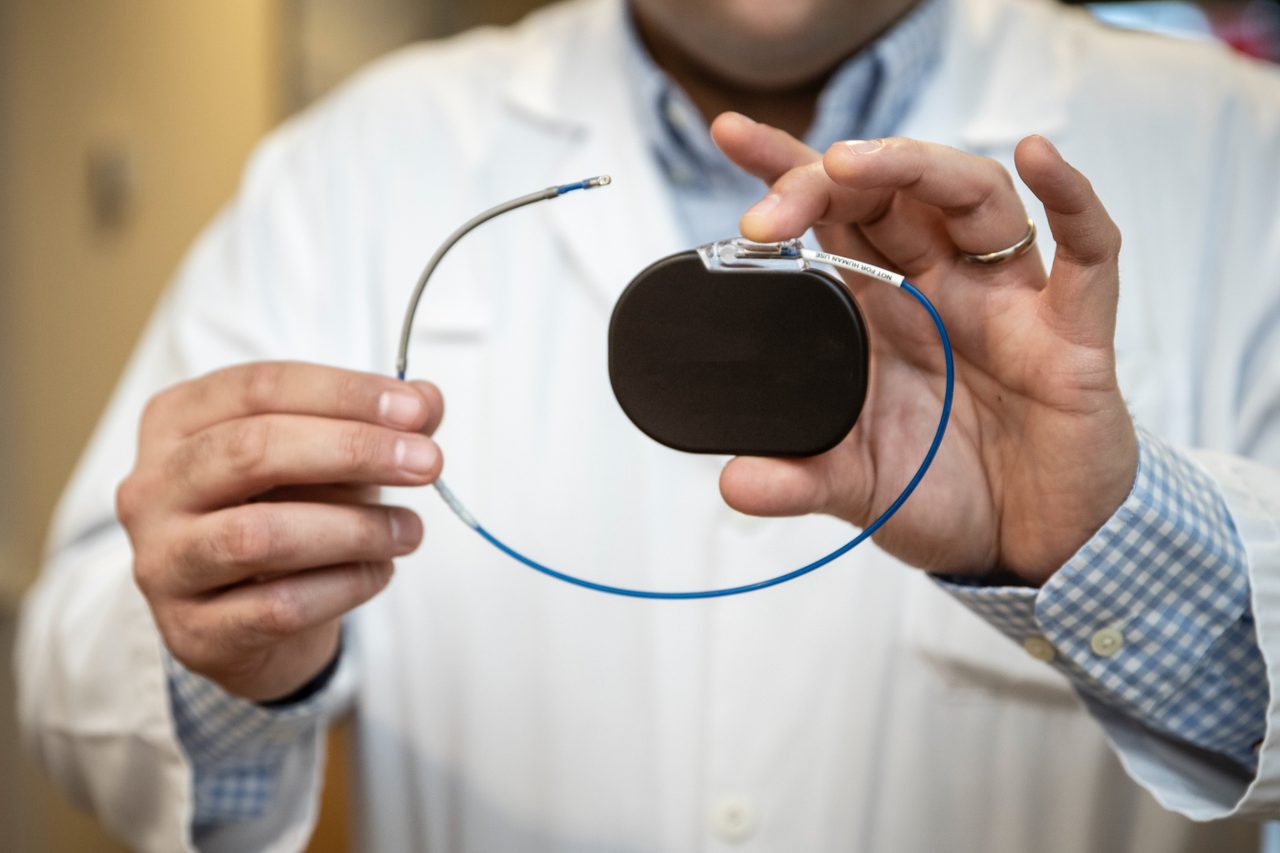
Learning that you’ll need a pacemaker can be stressful. You might picture a large device being inserted into your chest. However, there’s good news. Pacemaker technology has come a long way since the early days of cardiac care.
Modern pacemakers are very small, making the implantation procedure simpler and recovery much faster for most patients. Understanding the physical reality of these tiny devices can help ease any anxiety you might feel about your upcoming treatment.
Dimensions of Standard Pacemakers
A traditional pacemaker isn’t much larger than the face of a pocket watch or a silver dollar. Most of these devices are roughly the size of a matchbox. They’re also very lightweight.
Because they’re so thin and light, they fit discreetly under the skin near the collarbone. Most people find that the device is barely noticeable once the initial healing process is complete. These standard models use thin wires, called leads, to transmit electrical signals to the heart. This allows it to beat at a healthy and consistent rate when managing heart rhythm disorders.
What Is a Leadless Pacemaker?
For some patients with heart rhythm disorders, a provider might recommend a leadless pacemaker. These miniature devices are an impressive feat of medical engineering.
A leadless device is approximately 90% smaller than a traditional one. Picture a large vitamin capsule. Instead of being placed in the chest, this tiny device is inserted through a catheter in the leg and placed directly into the heart.
The upside is that a leadless pacemaker eliminates the need for a surgical pocket or leads. Consequently, it reduces the risk of infection and significantly shortens recovery time.
Symptoms That Require Attention
Your primary care provider might suggest a heart rhythm evaluation if you notice persistent symptoms. During an electrophysiology study, experts evaluate conditions that a pacemaker can help manage. For example, pacemakers are often used to treat conditions such as bradycardia, a slow heart rhythm that can prevent the heart from pumping enough blood to meet the body’s needs. Another common reason a pacemaker may be recommended is heart block, which occurs when electrical signals between the upper and lower chambers of the heart are delayed or interrupted.
You should talk with your provider if you experience any of the following:
- Fainting
- Fatigue
- Dizziness
- Lightheadedness
- Breathlessness
- Palpitations
- Chest pain
Comfort and Long-Term Care With a Pacemaker
The small size of modern pulse generators means that physical activity is rarely restricted once you heal. You can usually continue to exercise, work and enjoy your hobbies without feeling weighed down.
The battery life is also impressive for such a small object, lasting up to 15 years in some models. After implantation, your provider will monitor the device regularly during routine checkups to ensure it’s functioning properly and to check battery levels.
Finding the Ideal Pacemaker for You
Every heart is different, so the type of device chosen will depend on your specific condition. Your healthcare provider will recommend the option that best supports your heart’s rhythm and overall health.
If you have concerns about the size or feel of a pacemaker, talk with your care team to explore the best options for your needs.
If you have questions or concerns about your heart health, call 1.888.530.2485, visit our provider directory to find a Baptist Health cardiologist, or take a Health Risk Assessment to better understand your heart health risks.


.jpg?rev=034a09bad2fc4a2dac8ad52df6e758c0)