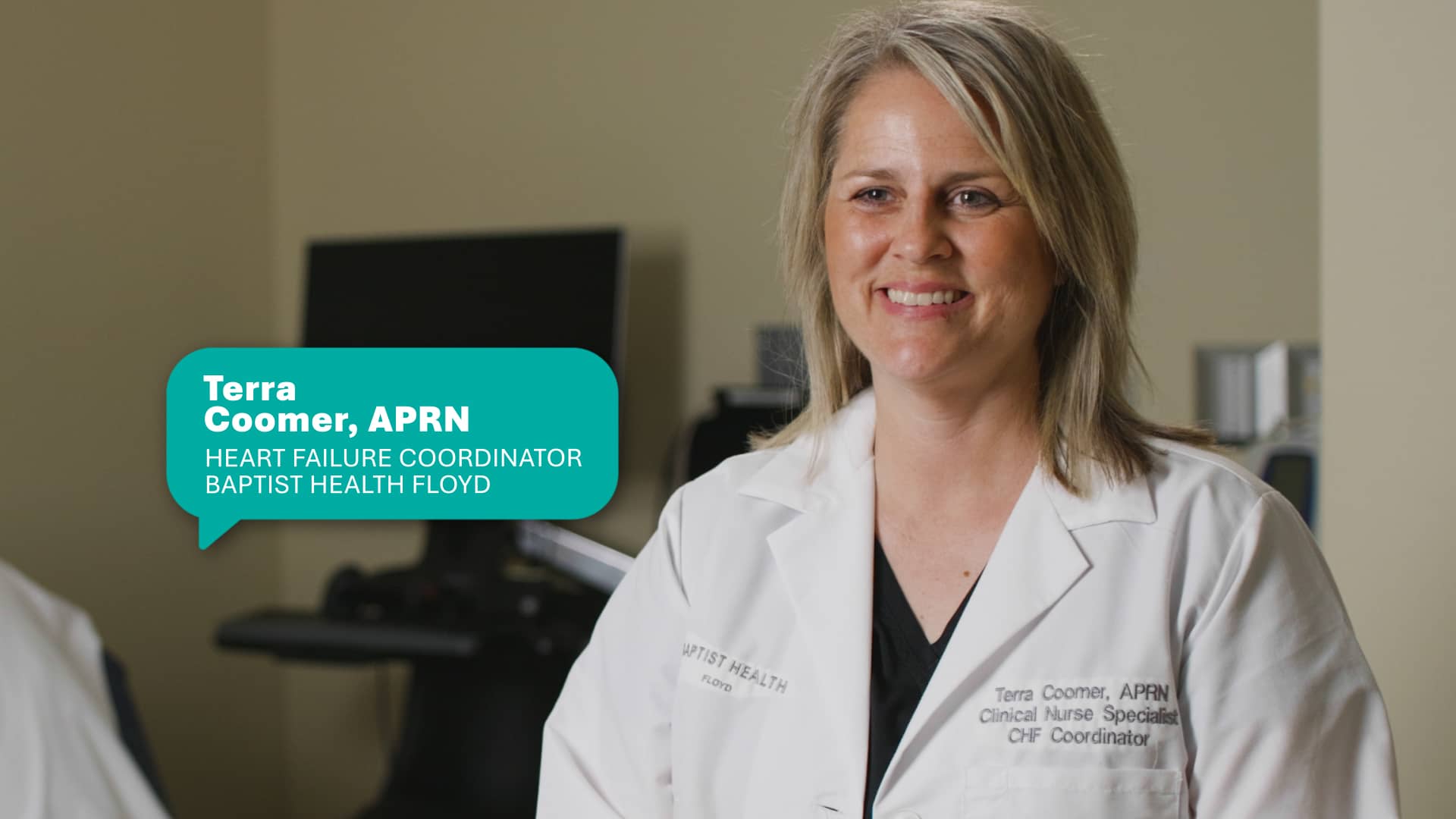
In our heart failure clinics, we focus on the outpatient management. So our big goal is to keep patients at home. So we're trying to keep them out of the emergency room and out of the hospital. So that involves a lot of medication adjustments.
We use a lot of medicines for heart failure. One of the biggest threat that our patients have is this invisible thread of fluid slowly accumulating and it can accumulate before the patient even knows it. For people that have pump problems, we use four families of medicines for those patients. And then they have to be dosed based on your blood pressure, your heart rate, and how you're feeling, and also how much fluid you have.
And so we do a lot of frequent visits where we look at those vital signs, talk to the patient, see how they're feeling, and then make the adjustments. In our heart failure clinics, we have this new device called the REDS system. It's basically a part of the vital signs now, so when the patient comes in, they get seated in a chair. A small sensor goes over their shoulder, takes about forty five seconds.
It uses radio waves, which are harmless, and it gives us a lung score and lets us know about how much fluid is in their lungs that day. Then we make adjustments based on that during that visit. When the patient has a REDS score and let's say it's too high indicating they have too much fluid, then we can make medicine adjustments that day that gets that fluid out of there over the coming days so that they don't have to go to the emergency room. In our heart failure using a device like the REDS System and frequent appointments and medication adjustments, we can help patients live a much better quality of life.