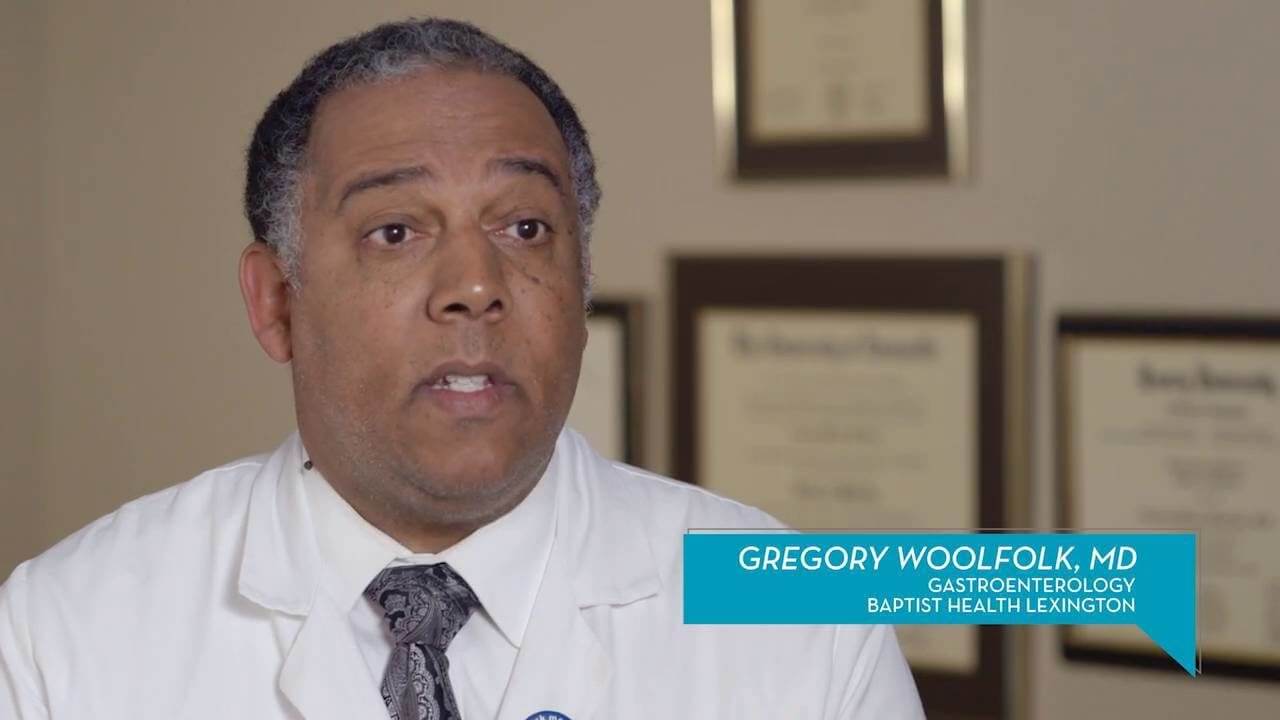
Why Is Colon Cancer Rising in Young People?

Colorectal cancer was once considered a disease that mainly affected older adults. However, in recent years, a concerning trend has emerged. While the overall rate of colon cancer is dropping in adults over 50, thanks largely to regular screenings, it is steadily rising in younger generations.
Today, millennials and Gen Zers are being diagnosed at higher rates than previous generations were at their age. This shift has led experts and patients alike to ask: Why is this happening, and what can you do to protect your health?
Understanding the Shift in Early-Onset Cancer
The rise in what providers call "early-onset" colorectal cancer is a mystery that researchers are working hard to solve. While there isn't one single cause, several factors likely play a role in why more young people are facing this diagnosis.
One significant factor is the Western diet. Modern diets are often high in ultra-processed foods, sugary drinks, and red meats, while being low in fiber. Fiber is essential for a healthy gut microbiome, and a lack of it can lead to inflammation. Additionally, sedentary lifestyles, often a byproduct of desk jobs and increased screen time, and rising rates of obesity are linked to a higher risk of colon cancer.
Environmental factors, such as exposure to microplastics or the overuse of antibiotics earlier in life, are also being studied for their potential impact on gut health and DNA damage.
Know Your Risk Factors
Even if you are under 45, it is important to understand your personal risk. While lifestyle choices matter, genetics also play a role. You may be at a higher risk if you have:
- A family history of colorectal cancer or polyps.
- Certain genetic conditions, such as Lynch syndrome.
- Personal history of inflammatory bowel disease (including Crohn’s disease or ulcerative colitis).
The Importance of Early Screening
Because symptoms can often be subtle or mistaken for other digestive issues, many young people are diagnosed at more advanced stages. This is why the recommended age for a first colonoscopy was lowered from 50 to 45 for those at average risk.
If you have a family history or other risk factors, your provider may recommend starting even earlier. A screening is about prevention. During the procedure, your provider can find and remove polyps before they ever have the chance to become cancerous.
Listen to Your Body
It is easy for busy young adults to brush off digestive changes as stress or a temporary stomach bug. However, you should talk to your primary care provider if you notice persistent symptoms, such as:
- A lasting change in bowel habits (diarrhea or constipation).
- Rectal bleeding or blood in your stool.
- Persistent abdominal pain or cramping.
- Unexplained weight loss or constant fatigue.
Advocating for your health is vital. If something doesn't feel right, don't wait until your next milestone birthday to bring it up. Early detection is the most powerful tool we have in the fight against colon cancer.
Talk with your Baptist Health oncologist if you have questions about your risk or when you should begin your screenings. If you do not have a Baptist Health provider, you can find one by visiting our provider directory.