How To Support Someone With Breast Cancer: 10 Practical Tips

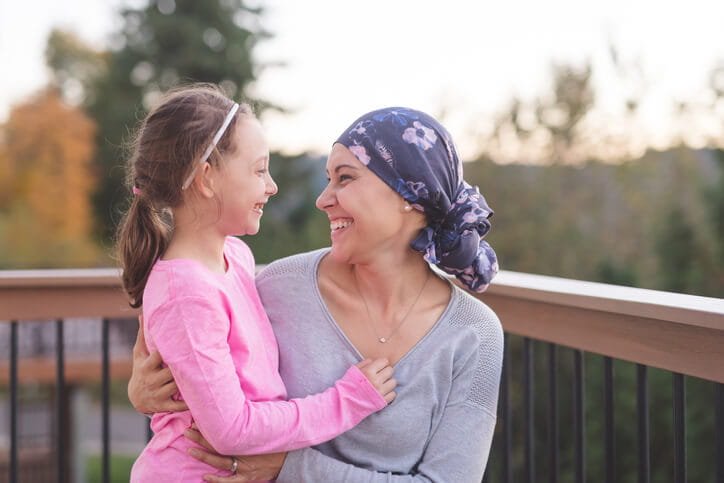
When you learn that a loved one has been diagnosed with breast cancer, everything stops. In addition to feeling sad, scared or worried, you might be wondering how you can help them get through it. Fortunately, there are things you can do to make things easier for your loved one after diagnosis and during treatment.
Understanding the Emotional Impact of Breast Cancer
Learning about a breast cancer diagnosis triggers a wide range of intense emotions for both patients and their families. A person may experience shock, disbelief, profound sadness, anger, fear of the unknown, numbness, intense anxiety or grief. Acknowledging these complex feelings without judgment creates a supportive foundation from day one.
10 Tips for Supporting Someone With Breast Cancer
Your support can make a big difference for someone who has been diagnosed with breast cancer or who has had a breast cancer recurrence. Here are some ways you can help.
1. Act Like You Normally Would.
While it may seem like obvious advice, it’s important to act as you normally would and not treat the person differently. That doesn’t mean ignoring the fact that they have cancer, but you should just approach the situation honestly and continue with your typical routines as much as possible. Do you meet for coffee a few times a week? Keep doing it.
2. Be Proactive with Specific Daily Tasks.
Saying something like "let me know if you need anything" puts the burden back on the patient. Instead, offer specific, tangible solutions.
Helping with balanced meals provides crucial assistance during treatment cycles that can cause fatigue. When heading to the grocery store, text a specific list of items you think they might need and ask what you can drop off at their doorstep.
Childcare is another area where your assistance can be vital. Keeping up with young children is challenging on its own but doing so after surgery or chemo is extremely challenging. Offering to take the kids for a few hours or the day will be very helpful. Also, think about organizing a childcare help calendar that involves you and other friends or family members.
Cleaning is another chore that can be hard to stay on top of during cancer treatment. Whether you share homecare duties with your friends or hire a cleaning service, you’ll be giving your loved one valuable support when they need it most. Chipping in to mow the lawn and handle other yard maintenance will also be much appreciated.
3. Don’t Pressure Them.
If you leave a voicemail or send a text, don’t expect an immediate response. Patients often experience physical exhaustion, treatment side effects and emotional fatigue during cancer treatment. Know that they appreciate your outreach and will respond when energy permits. Give them space without disappearing.
4. Avoid Toxic Positivity and Let Them Lead.
It is natural to use encouraging statements like "you're so strong" or "you’ll get through this," but these phrases can inadvertently dismiss valid feelings of grief or distress. Validate their fears (without amplifying them), listen without judgment and let them express hard emotions freely.
5. Make Them Feel Special.
Every thoughtful gift or card in the mail will be appreciated, especially when the person is in a dark place or feeling lonely. Let them know how much they mean to you and how much they are loved. Doing this will lift them up on bad days and help them keep moving forward.
6. Help With Transportation and Appointments.
Cancer therapy often involves frequent visits for chemotherapy, radiation, blood work or surgical consultations. Offer to drive your loved one to appointments, sit in the waiting room or take notes during clinical discussions so they don’t have to process complex instructions alone.
7. Be an Active Listener.
No matter what they want to talk about, listen attentively. Maybe they’re concerned about an upcoming procedure and need help coming up with a list of questions for their physician. Or they might just want to vent. You don’t need to have all the answers, but just being there for them will be helpful.
8. Keep Things Light When Appropriate.
Everyone needs laughter and joy in their lives, and this is especially true for cancer patients. Enjoy a funny movie or binge-watch a favorite TV show with them. They have plenty of time to think about their cancer, so they will appreciate a break and a good laugh.
9. Facilitate Connections With Cancer Survivors.
Peer support groups and survivor networks can offer comfort that friends and family can’t always provide. Ask if your loved one would like to talk to someone who navigated the same diagnosis and offer to make introductions.
10. Pamper Them.
Small comforts can brighten difficult days. Soft blankets, unscented lotions, comfortable clothes for post-surgery recovery and relaxing herbal teas can be soothing during treatment. Always check for scent sensitivities or dietary restrictions before dropping off treats.
Common Cancer Treatment Side Effects To Watch For
While you’re spending time with your loved one, you should be aware of cancer treatment side effects that require medical attention. Encourage them to contact their physician if you notice (or they mention) any of the following:
- A high fever or sudden spike in body temperature develops.
- The person experiences severe chills, shivering or shaking.
- Sudden shortness of breath or difficulty breathing occurs unexpectedly.
- Persistent nausea or vomiting makes it difficult to keep liquids down.
- Severe or worsening pain doesn’t improve with prescribed medication.
- Noticeable redness, swelling or unusual drainage develops around surgical incisions.
- Extreme fatigue or weakness leaves them unable to get out of bed or perform basic tasks.
- Sudden swelling, heaviness or tightness develops in the arm, hand or chest area due to lymphedema.
Learn More About Breast Cancer From Baptist Health
Supporting a friend or family member with breast cancer is all about being there for them. You can learn more about cancer, including treatment approaches and prevention. Take a free online health risk assessment to determine your breast cancer risk.