
What Does Measles Look and Feel Like?
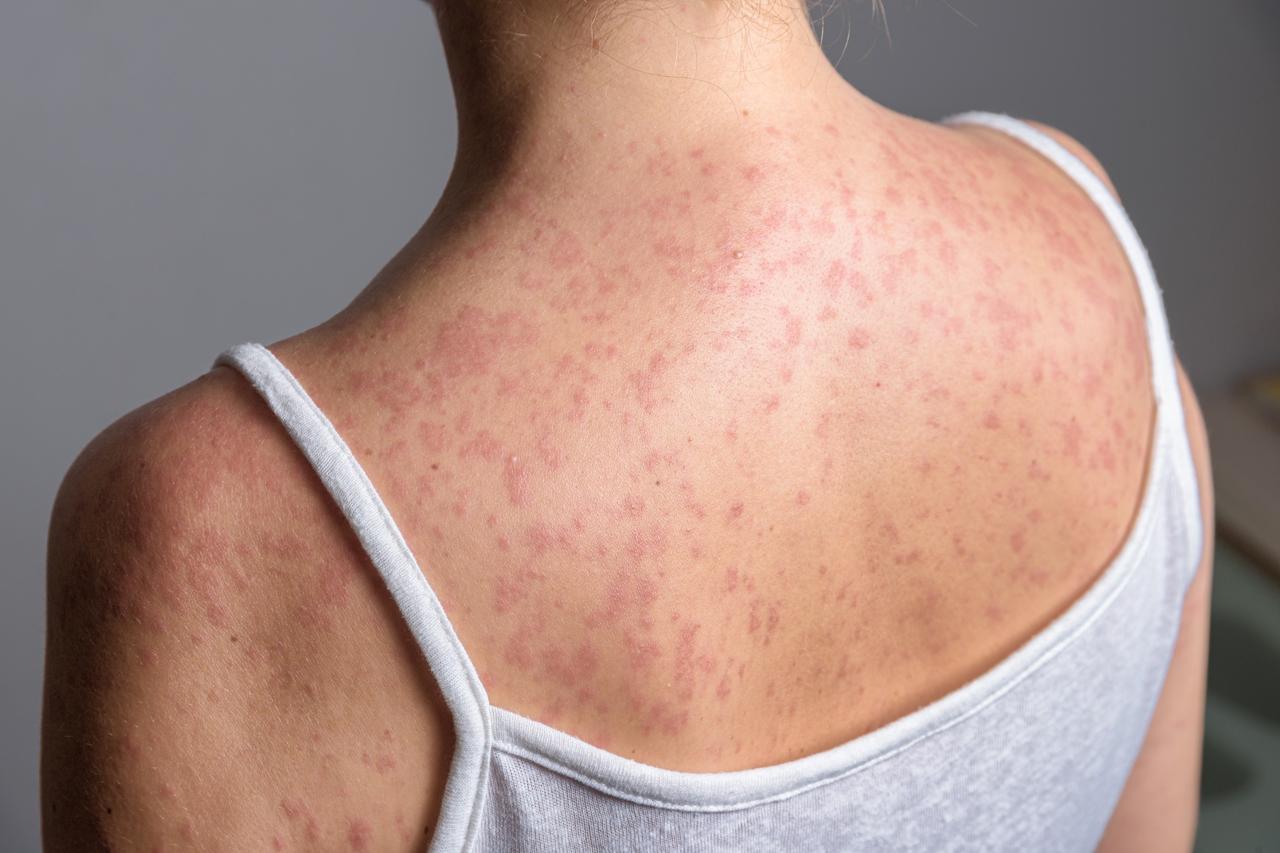
Measles is a highly contagious viral illness that can make both children and adults feel very sick. Although vaccination has made measles much less common in the United States, outbreaks can still occur. Knowing what measles looks and feels like can help with early recognition and medical evaluation.
Measles often begins with symptoms that resemble other common respiratory illnesses, such as the flu. However, as the infection progresses, a distinct rash develops that helps distinguish it from other conditions.
Early Symptoms of Measles
Measles does not begin with a rash. The first symptoms usually appear seven to 14 days after exposure and may include:
- High fever
- Runny nose
- Dry cough
- Red, watery eyes
- Sore throat
- Fatigue
Some people develop tiny white spots inside the mouth called Koplik spots. These may appear one to two days before the rash and are considered a classic sign of measles.
What the Measles Rash Looks Like
The measles rash typically appears three to five days after early symptoms begin. It often starts as flat red spots along the hairline and on the face. Over several days, it spreads downward to the neck, chest, arms, torso and legs.
The spots may become slightly raised and can merge together, giving the skin a blotchy appearance. The rash usually is not itchy, but the skin may feel warm. Fever often rises when the rash appears and can become high before gradually improving.
How Measles Feels
Measles can cause significant discomfort. In addition to the rash, you may experience:
- Persistent high fever
- Body aches
- Extreme fatigue
- Sensitivity to light
- Loss of appetite
- Diarrhea
Complications can include ear infections and pneumonia. More serious complications, though less common, may affect the brain or other organs, particularly in young children, pregnant women or people with weakened immune systems.
How Measles Spreads
Measles spreads through respiratory droplets when an infected person coughs or sneezes. The virus can remain in the air or on surfaces for a period of time, which makes it highly contagious. A person can spread measles to others before the rash appears.
When to Seek Medical Care
Contact a healthcare provider promptly if you or your child develops a high fever along with a spreading red rash. Call ahead before visiting a clinic or emergency department so staff can take steps to reduce exposure to others.
Seek urgent care for difficulty breathing, signs of dehydration, severe headache, confusion or worsening symptoms.
Call your Baptist Health Primary Care provider at 1.844.6BAPTIST. If you do not have a Baptist Health Primary Care provider, you can find one on our provider directory.