Where Can I Go for an Ultrasound of My Liver?
Have you wondered, “Where can I go for an ultrasound of my liver?” If you have, the answer is simple: Baptist Health. We offer advanced Imaging & Diagnostics services to help diagnose and monitor various conditions.
While knowing where to go is the first step, you likely have other questions about the procedure itself.
What Is a Liver Ultrasound?
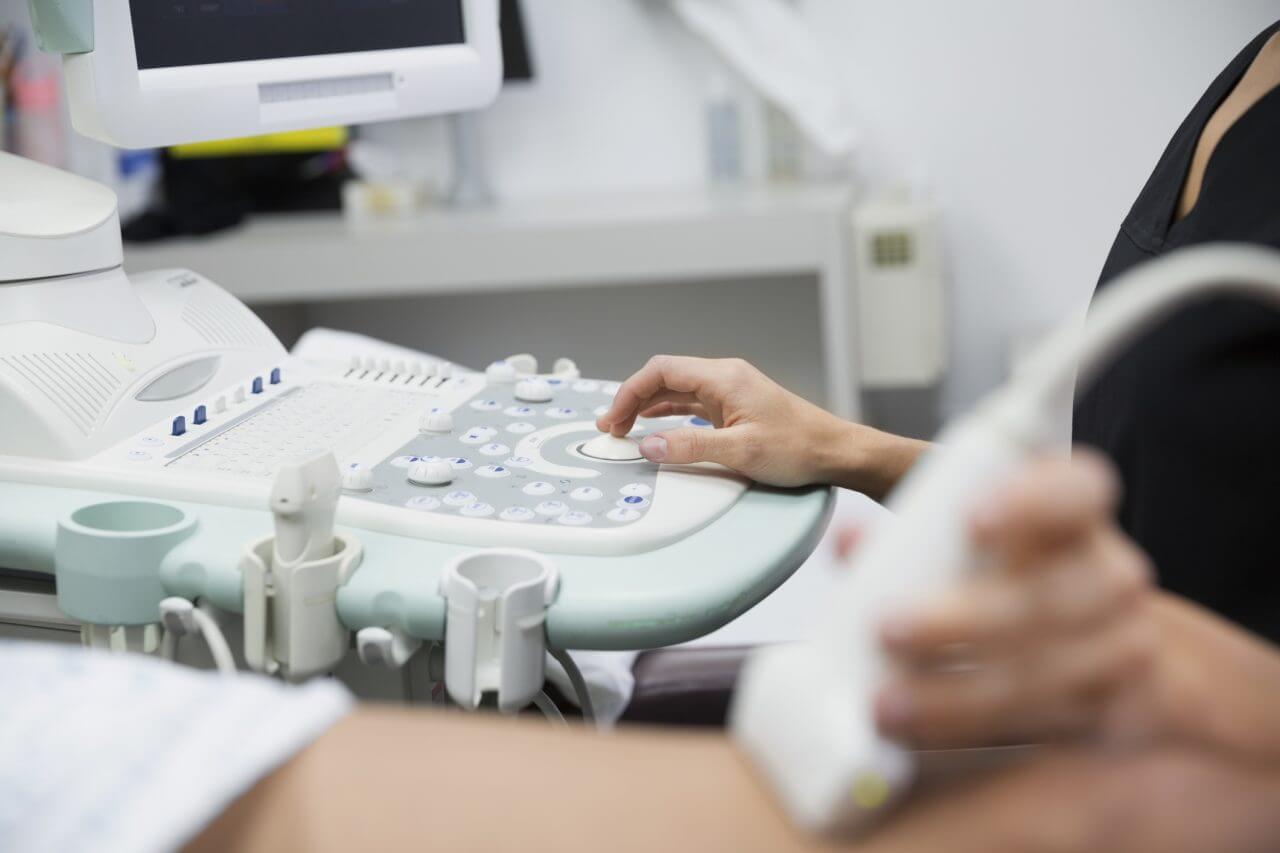
A liver ultrasound is an imaging test in which high-frequency sound waves produce detailed images of your liver and the surrounding blood vessels. A small handheld device called a transducer is placed on your abdomen to transmit these waves. They bounce off your organs and return to the computer to form an image. This process is usually painless and doesn’t involve radiation.
Why Your Provider Might Recommend It
Your primary care provider may order this test if you have symptoms of liver disease or if blood tests show abnormal liver enzymes. It helps them see how well your liver is working and check for structural changes.
Common reasons for this exam include:
- Unexplained abdominal pain.
- Swelling in the abdomen.
- Yellowing of skin (jaundice).
- Dark-colored urine.
- Pale or bloody stool.
- Swollen legs or ankles.
- Nausea and vomiting.
- Unusually itchy skin.
- Fatigue and weakness.
- Easy bruising of your body.
The ultrasound can help detect various conditions. For instance, it can spot fatty liver disease, which is often linked to high cholesterol or obesity. Achieving weight loss is often part of the treatment plan for these conditions. The test can also identify cirrhosis, hepatitis, liver cysts and tumors. Excessive alcohol use is a common cause of liver damage, so your provider might suggest an exam if that’s a concern.
How To Prepare for Your Appointment
When you ask, “Where can I go for an ultrasound of my liver?” you should also ask how to prepare. Preparation is generally minimal. However, you may need to fast for six to 12 hours before the procedure. This typically means no food, and you should follow your care team’s guidance about water and medications. Fasting helps keep your gallbladder relaxed and reduces gas in the abdomen, which can block sound waves.
In some cases, your care team might ask you to drink water to fill your bladder or avoid it completely. Always follow the specific instructions given to you to ensure the clearest images possible.
What To Expect During a Liver Ultrasound
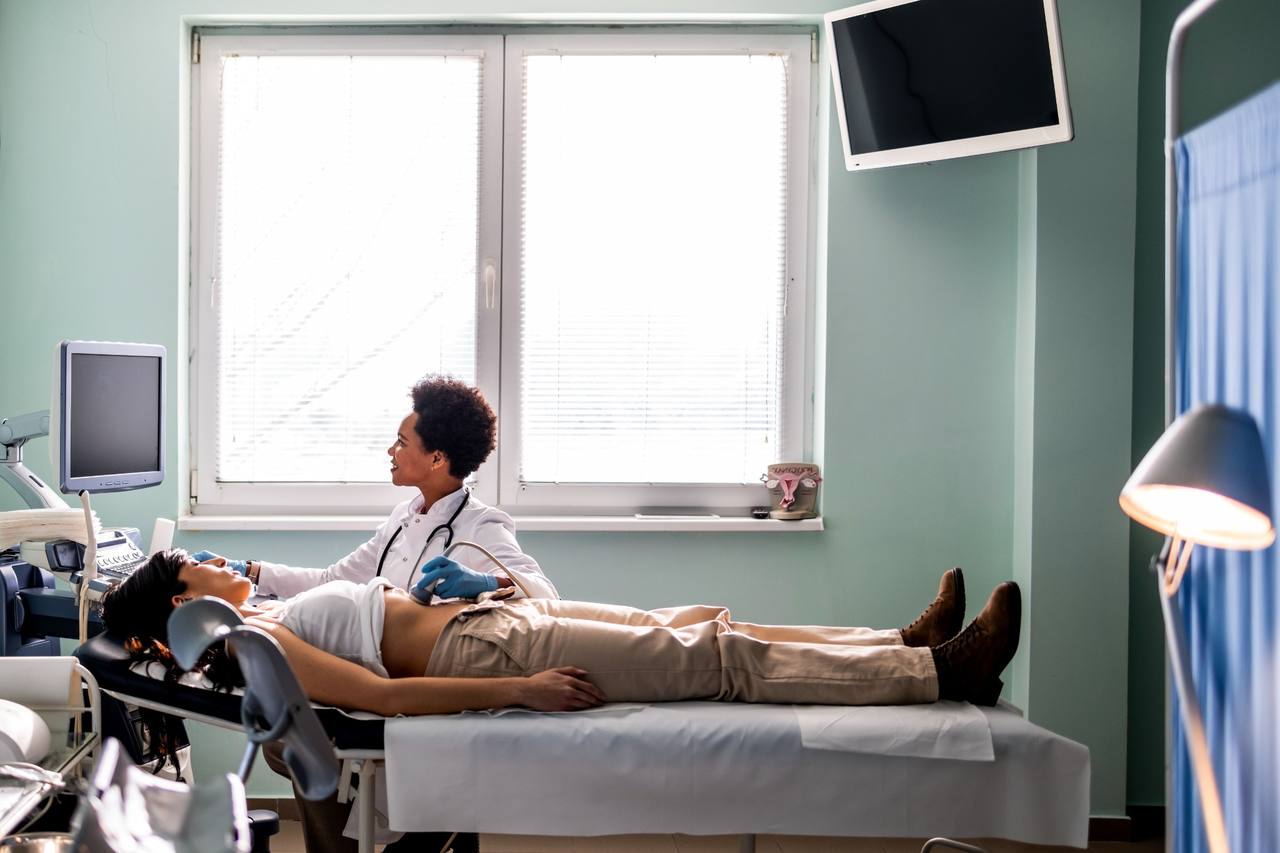
The process is quick and usually takes about 30 minutes. You’ll lie on an exam table, likely on your back. A technician will apply a warm gel to your skin to help the transducer make contact. They’ll move the wand across your upper right abdomen. You might feel slight pressure but no pain.
You may be asked to hold your breath or change positions to help the technician get a better view. Once the images are captured, you can return to your normal activities immediately.
Understanding Your Results
After your exam, a radiologist will analyze the images and send a report to your provider. They will look for:
- Liver size and shape.
- Presence of cysts.
- Solid masses or tumors.
- Scarring or fibrosis.
- Fat accumulation.
If abnormalities are found, your provider will discuss the next steps with you. This might involve further testing, such as a CT scan or MRI, or a treatment plan tailored to your specific condition.
Get Help With Liver Conditions From Baptist Health
So, where can you go for an ultrasound of your liver? Trust the experienced team at Baptist Health. We are here to provide you with high-quality care and diagnostic services.
If you have concerns about your liver health, contact your Baptist Health primary care provider to discuss whether an ultrasound is right for you. If you don’t have a Baptist Health primary care provider, call 1.844.6BAPTIST or visit our provider directory.