Why Are Cancer Survival Rates Soaring Right Now?

More patients are surviving cancer today than at any other point in history. That is reassuring news for anyone diagnosed with the disease. This shift represents a major win for medical science and public health. Since the early 1990s, the risk of dying from many types of cancer has dropped by double-digit percentages.
This progress has saved millions of lives over the last few decades. It is not just one single thing making the difference. Instead, a combination of better screening, new treatments and lifestyle changes is driving these numbers higher.
Improvements in Early Detection
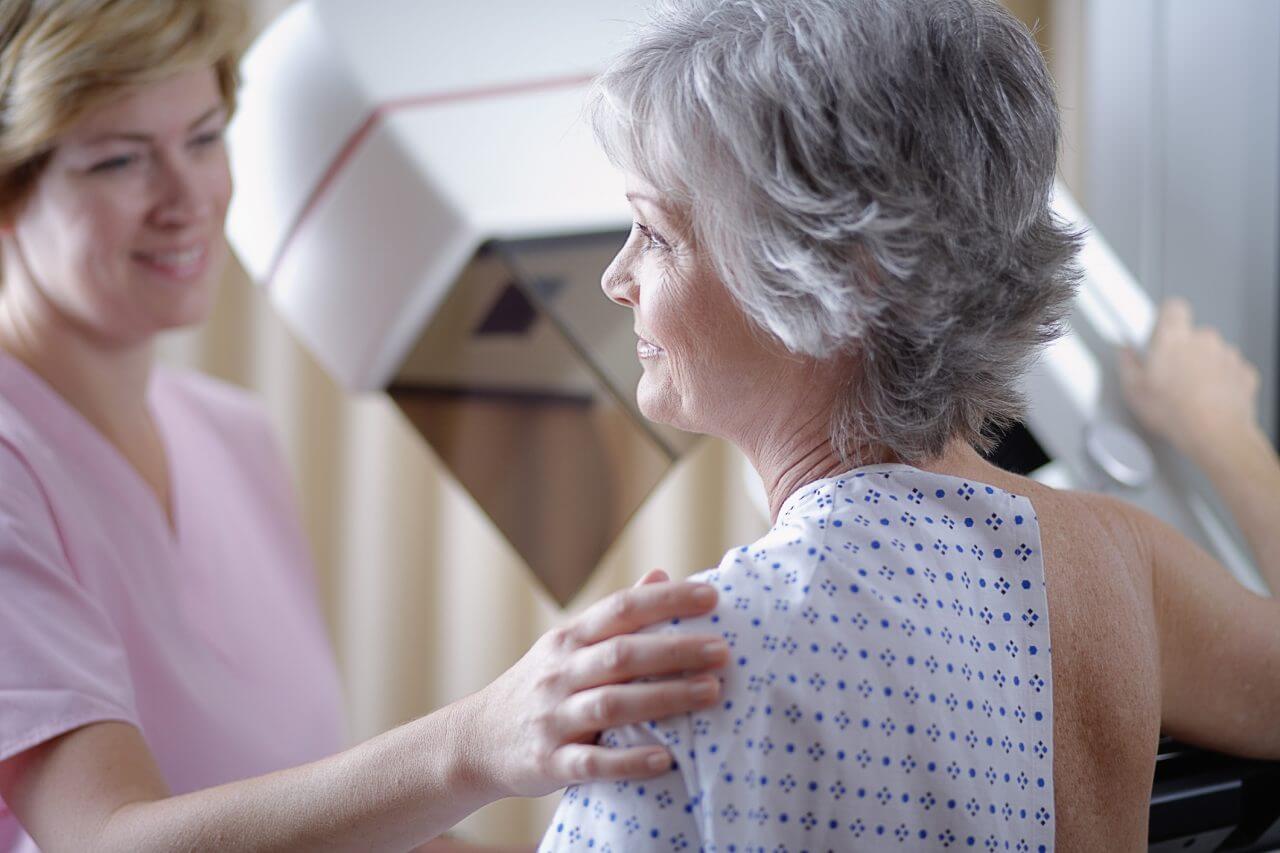
One of the most effective ways to beat cancer is to find it early. When a provider identifies cancer while it is still localized in one area and hasn’t spread, the chances of successful treatment are much higher. Routine screenings have become more common and more accurate. Today, adults are increasingly making tests like colonoscopies and mammograms essential parts of their healthcare.
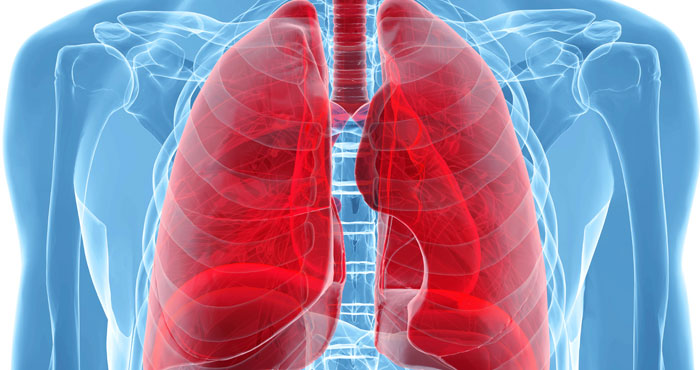
Advancements in lung cancer screening are particularly notable. For a long time, lung cancer was hard to find until it reached an advanced stage. Now, low-dose scans enable providers to detect early-stage lung issues. Because of these screenings and better treatment, long-term outcomes have improved significantly.
The Rise of Advanced Treatments
The way medical teams treat cancer has also changed significantly. In the past, general treatments like chemotherapy were the main options. Today, providers use more specific tools that target a tumor’s unique traits. These options include:
- Immunotherapy
- Targeted therapy
- Personalized medicine
Immunotherapy is a major breakthrough that helps the immune system recognize and attack cancer cells. This approach has been especially helpful for patients with melanoma, which was once very difficult to treat.
Targeted therapies focus on the specific proteins or genes that help cancer grow. By blocking these signals, treatment can slow or stop the disease while limiting damage to healthy cells.
The Impact of Prevention and Vaccines
Increasing survival rates are great news, and so are decreases in cancer diagnoses. More people are avoiding cancer through proactive prevention. For example, smoking rates have declined steadily, contributing to fewer lung cancer cases.
Vaccines are also preventing certain cancers before they ever start. The HPV vaccine protects against the human papillomavirus, which causes most cases of cervical cancer. As vaccination rates rise, new cases continue to fall, showing how preventive steps can have a powerful long-term impact.
Challenges Remain Despite Success
While the overall outlook is positive, some challenges remain. Even as death rates fall, new diagnoses for certain cancers continue to rise, including breast, prostate and colorectal cancer.
There are also differences in outcomes based on race, geography and access to care. A primary care provider plays an important role in helping patients stay up to date with screenings and navigate treatment options.
Despite these challenges, the overall trend is clear. Ongoing advances in detection, treatment and prevention are helping more people live longer, healthier lives after a cancer diagnosis.
For more information, please call the Baptist Health Oncology department at 1.855.645.1747. Visit our online provider directory to find a Baptist Health Oncologist near you.