OTC vs. Prescription Hearing Aids: What’s the Difference?

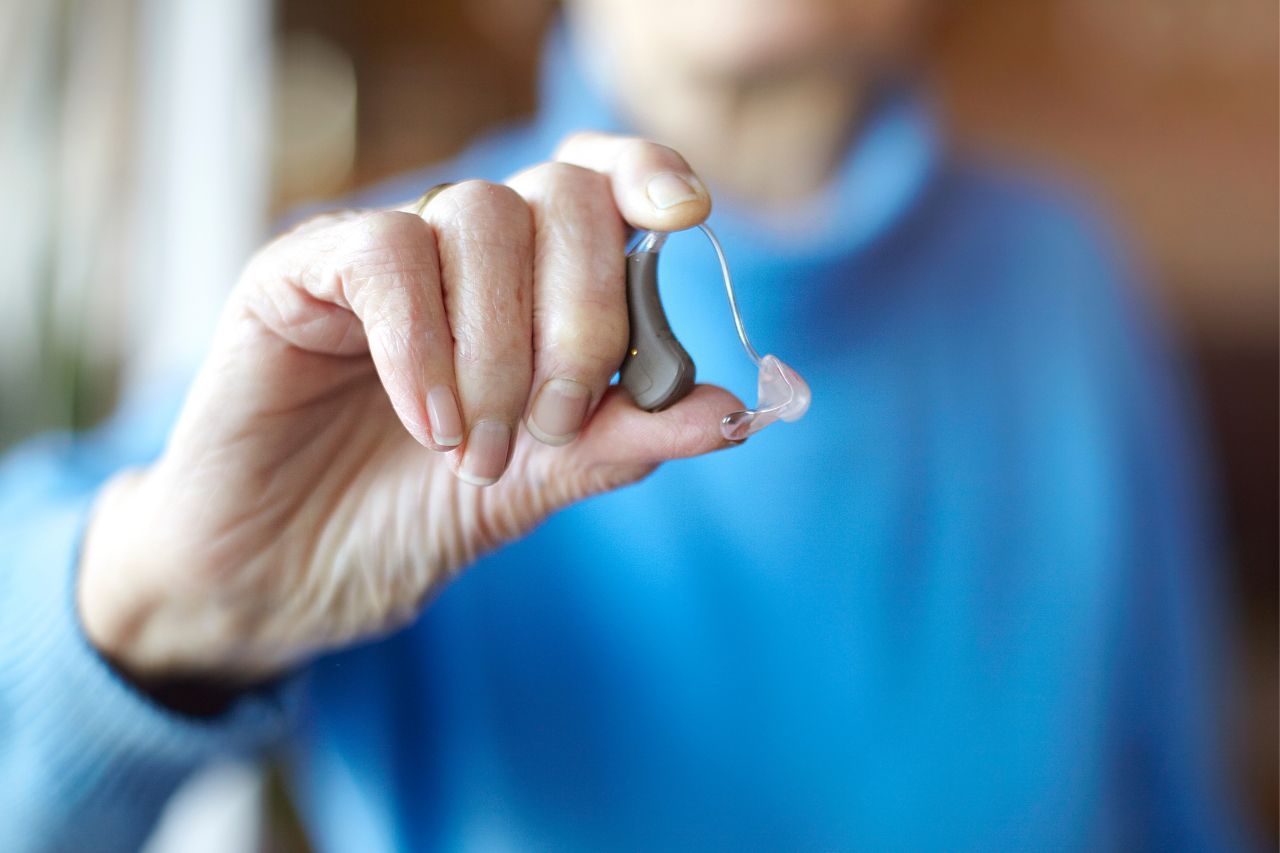
If you have been to a drugstore recently, you might have noticed hearing aids on the shelf next to the reading glasses. Those are over-the-counter or OTC hearing aids. They've been out for a few years, but people are still asking questions about them. Maybe you are, too. Questions like "Are they as good as prescription hearing aids?"
This blog post will answer those questions and more.
What Are OTC Hearing Aids?
OTC hearing aids are also called non-prescription hearing aids. The FDA created a category for them in 2022.
Here is what you need to know:
- You don't need a prescription to buy them.
- You don't need a hearing exam to get them.
- They are designed for mild to moderate hearing loss.
- You can buy them online or in a store.
- They come preprogrammed.
- You can change the settings on some devices.
- You need to be 18 years old or older to use them.
What Are Prescription Hearing Aids?
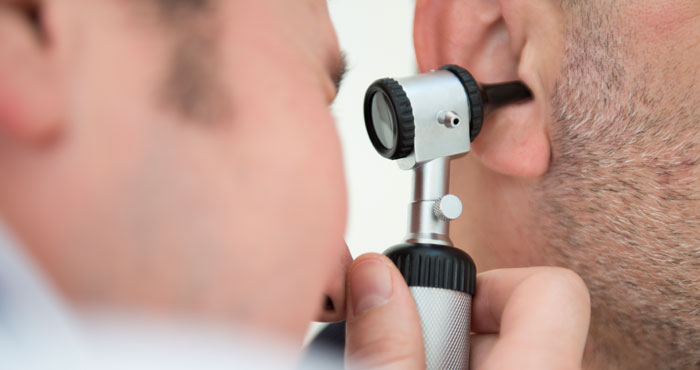
Prescription hearing aids require both an exam and a prescription from your Baptist Health audiologist. You can get these hearing aids at any age. You can also use prescription hearing aids for any type of hearing loss. That includes serious or mixed hearing loss. You'll get follow-up support along with the device.
Which Hearing Aid May Be Right for You?
It can be hard to know what to do if you have hearing loss. Especially if your only symptoms are that you keep asking people to repeat themselves or turning up the volume of the TV. Setting up a hearing exam is a good first step. Your audiologist can let you know if your hearing loss is from an ear infection, earwax or something else.
The table below shows a quick overview of the differences.
| OTC | Prescription |
|---|---|
| 18+ | Any age |
| No exam needed | Exam needed |
| No prescription needed | Prescription needed |
| Preprogrammed | Custom programmed |
| For mild to moderate hearing loss | For any type of hearing loss |
If you notice sudden hearing loss, ringing in your ears, pain or drainage, seek medical help right away. These might be signs of a more serious condition.
Learn More from Baptist Health
If you have any questions about which hearing aid option may be right for you, reach out to your Baptist Health audiologist. If you do not have an audiologist, you can find one by using our provider directory.