How To Drain an Ear Infection
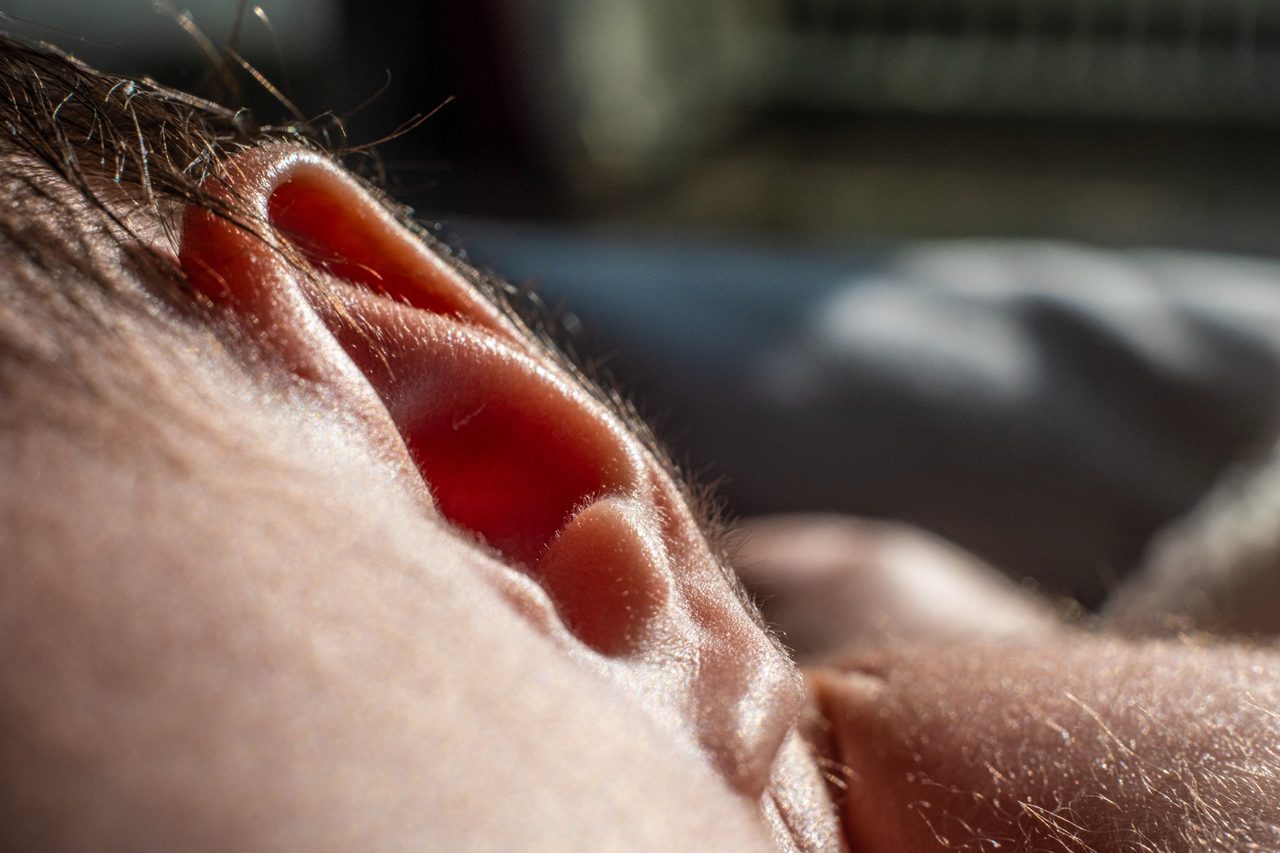
If you’ve ever had an ear infection, you’re probably familiar with the uncomfortable feeling of fullness or pressure. Fluid trapped in the middle ear causes this discomfort.
While it might be tempting to try to clear the ear yourself, there are specific ways to handle this safely. Understanding how to manage ear infections can help you recover more comfortably.
Recognizing Common Symptoms
A buildup of fluid in the ear often causes more than just drainage. The symptoms can vary depending on whether the person affected is an adult or a child. In a young child, you should look for these signs:
- Ear pain
- Ear tugging
- Fever
- Trouble sleeping
- Irritability
- Decreased appetite
- Decreased balance
- Hearing loss
- Headache
In people of any age, these symptoms often appear quickly and can feel quite intense. If you notice drainage that looks like pus, appears bloody or has a foul odor, it’s important to contact a provider right away.
Why Fluid Gets Trapped
To understand how to drain the ear, you must first know why the fluid is present in the first place. Small channels called Eustachian tubes run from the middle ear to the back of the throat. Their job is to refresh the air and drain normal secretions.
When these tubes become swollen due to a cold, allergies or an ear infection, they can get blocked. This creates a vacuum that draws fluid into the middle ear. Because the fluid has nowhere to go, it accumulates behind the eardrum.
Can You Manage Ear Drainage at Home?
Many ear infections clear up without medical intervention. Healthcare providers often recommend a period of watchful waiting for two to three days to see if the body heals itself.
To help the process along, you can use a warm compress. Pressing a warm, damp washcloth against the ear can soothe the pain and may help the fluid move more freely.
Some providers might suggest a technique called the Valsalva maneuver to help open the Eustachian tubes. You do this by pinching your nose, closing your mouth and very gently trying to blow air out through your nose. This should never be done forcefully.
Taking a hot shower and inhaling steam can also help loosen mucus and promote drainage.
Ear Drainage: Getting Professional Help When Necessary
If the fluid in your ear doesn’t drain on its own after several days, a primary care provider may recommend treatment. This can include over-the-counter decongestants or antihistamines to reduce swelling in the Eustachian tubes.
When ear infections become recurring or fluid remains trapped for long periods, a provider may suggest ear tubes. This involves a minor procedure called a myringotomy, where a small opening is made in the eardrum to suction out fluid and place a tiny tube to allow ongoing drainage.
Contact Your Baptist Health Provider About Ear Infections
If you think you or your child has an ear infection, contact your Baptist Health provider for guidance on proper treatment and next steps.
If you want to find a Baptist Health audiologist in your area, please call 1.844.679.6835 or visit our provider directory.